publication / April 17, 2024
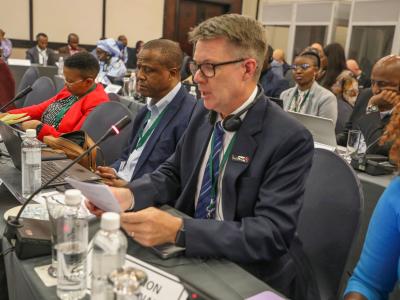
WVI Global Accountability Report 2023
WVI Global Accountability Report 2023
publication / April 18, 2024
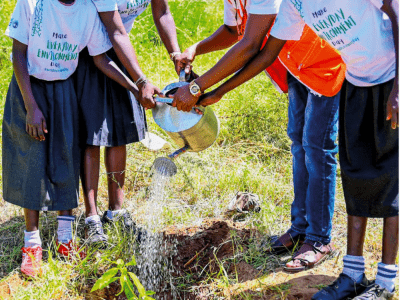
Innovative project aims to strengthen resilience and livelihoods recovery in Ukraine
The Recovery Through Innovative Startup Empowerment (RISE) is a comprehensive program designed to empower Ukrainian entrepreneurs on their journey to successful innovative business startups. The proposed project will particularly focus on green construction, energy efficiency, and the digitization of climate-smart agriculture, among others.
publication / April 18, 2024
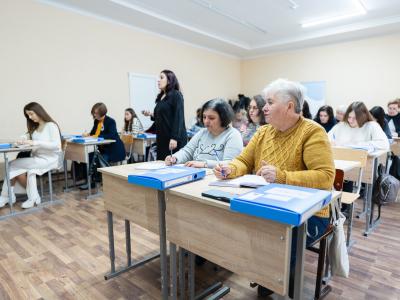
Specialized vocational training courses to help displaced Ukrainians find jobs or become entrepreneurs
The Skilling Towards Resilience (STAR) Program will use classroom vocational training modules blended with on-the-job training to be offered to program participants, enhancing their practical skills, and professional internships that leads to standard certification of skills acquired.

publication / April 18, 2024
Nexus programming aims to support early recovery and empowerment in Ukraine
The proposed economic development initiative for displaced Ukrainians aims at providing targeted technical trainings aligned to market demands, thereby enhancing employability and income generation opportunities, and bolstering the revival of micro-small, medium-sized enterprises (MSMEs.
publication / April 18, 2024
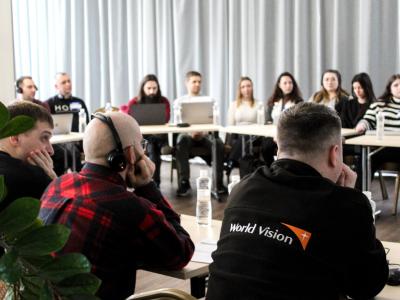
59 child friendly spaces in Ukraine and Moldova at risk of closure as funding declines
Since the beginning of World Vision's response to the humanitarian crisis in Ukraine, a total of 37 child friendly spaces are operational in Moldova and 22 in Ukraine, being implemented by trained partners.

press release / April 19, 2024
Millions more children at risk from escalating conflict in the Middle East
Children across the Middle East are facing the pain of hunger, separation for families, injury and death
publication / December 21, 2023
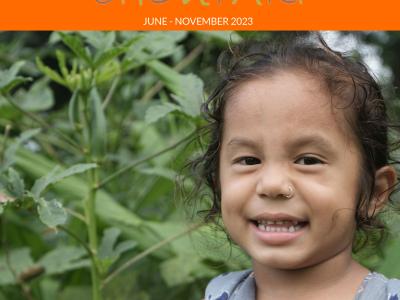
Choutari: WVI Nepal Newsletter (June - Nov 2023)
Choutari is our bi-annual newsletter with the latest updates on our sectors, key events, innovations and stories of change. Click download to read.
press release / April 24, 2024
World Vision Launches "ENOUGH" Campaign to End Child Hunger and Malnutrition in Kenya
World Vision launches ENOUGH campaign in Kenya to address child hunger and malnutrition in the country. The landmark campaign is a timely initiative that will not only call for enough nutritious food in school and at home, but will also call for improved data collection, climate-smart agriculture, and policy reforms even as the Kenyan Government plans to establish a national policy on school meals by June 2023 as well as strengthen the efficiency and accountability mechanisms of the school meals initiative.
article / April 17, 2024
World Vision Statement at the 43rd ordinary session of The African Committee Of Experts on The Rights and Welfare of the Child.
World Vision, a global humanitarian organization, is sharing a statement delivered at the 43rd Ordinary Session of the African Committee of Experts on the Rights and Welfare of the Child. The statement highlights World Vision's commitment to children's rights in Africa and outlines their recent work on issues like child hunger, education, and climate change. It also calls for action on ongoing humanitarian crises and the need for investment in food security solutions.