
Viacheslav Overcoming the Tragedy of War to Rebuild Ukraine

Mykolaiv, Ukraine — 21-year-old student Viacheslav has already lived through displacement and the tragedy of losing his father. For people like him, the pressure is two-fold: they must navigate their own trauma while carrying the literal responsibility for the future reconstruction of their country. Despite this, the signs for Viacheslav remarkably point towards him being on the right path to meet these expectations.
The escalation of the war in Ukraine has created a landscape for the younger generation where air-raid sirens routinely shatter traditional milestones like graduating, starting a career, or planning a family.
Forced into adult roles, these children of conflict remain deeply vulnerable, existing in a fragile intermediate space. The emotional toll they carry is a heavy burden of loss. They urgently need structured support before the strain consumes them entirely.
For Viacheslav and others, support was on its way.
Displacement and the Frontline
“My father lost his life at the frontline. He gave everything ensuring we would still have a place to live. In my turn, I want to continue his work, specifically by rebuilding our country. That is why I am staying.”
The war in Ukraine in 2022 forced Viacheslav and his family to flee to Poland, thrusting them into the exhausting reality of refugee life for nearly two years. Though physically safe from the shelling, Viacheslav faced a quiet emotional struggle.
He felt deeply disconnected from his roots while managing the daily pressure of finishing his Ukrainian high school classes online and preparing for university.
Then came the news that permanently fractured his world: his father had been killed in action on the frontline.
“When the news reached us, the world just stopped. We were completely broken,” Viacheslav recalls, his voice steady but carrying the weight of the loss. “But in that devastation, we knew what we had to do. We decided to return home immediately.”
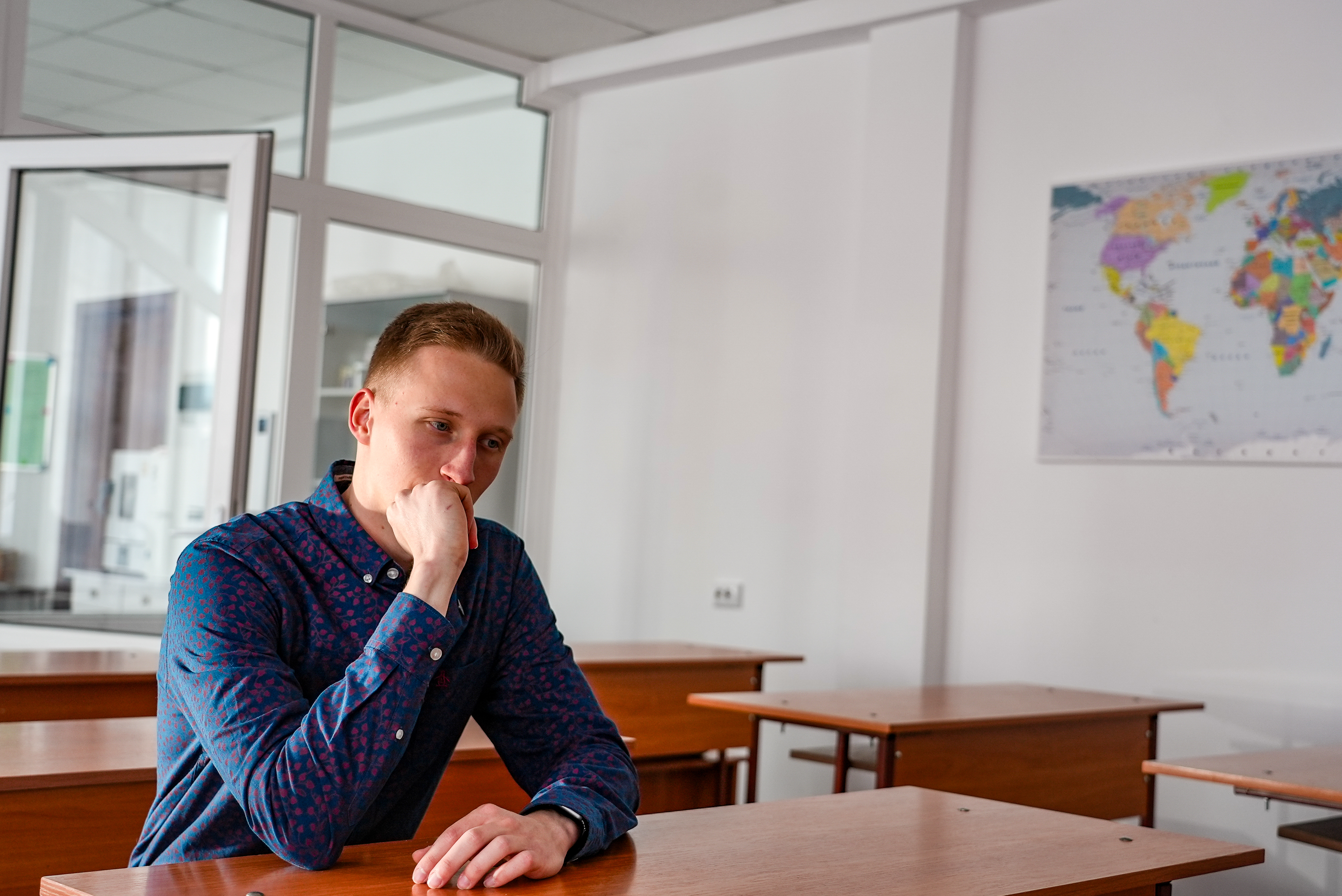
The loss was a profound emotional shock, but amid the rawness of grief, it lent Viacheslav a fierce, unshakeable clarity. Leaving Ukraine permanently was no longer a viable choice.
“My father lost his life at the frontline,” Viacheslav says. “He gave everything ensuring we would still have a place to live. In my turn, I want to continue his work, specifically by rebuilding our country. That is why I am staying.”
The Fragile Reality of Return
Returning home, however, meant stepping back into the crucible. Viacheslav returned to Mykolaiv, a strategic southern city tethered perilously close to the frontlines. Here, security is a fragile, shifting concept.
The city endures regular drone and missile attacks, forcing students to calculate the trajectory of their futures against the daily reality of air-raid shelters.
Without visible career prospects, stable infrastructure, or economic security, communities like Mykolaiv face a severe risk of youth emigration – a quiet, permanent drain of talent that could jeopardise the country’s long-term recovery.
Returning home is only half the battle; economic survival is the next. According to the International Organisation for Migration report, in Ukraine, 73% of returnee households exhausted their livelihood options over the winter, forcing families to ration healthcare and education.
This economic strain leaves the youth highly vulnerable, thrusting them into adult survival roles when they still require robust safety nets to navigate this volatile transition.
To bridge this gap, World Vision partners with Mykolaiv National Agrarian University to provide practical Vocational Educational Training (VET). Funded by Aktion Deutschland Hilft, this livelihood initiative equips young students with the skills needed to build economic stability, transforming acute vulnerability into tangible local agency.
Engineering a Recovery
“I hope to support the agricultural sector by using my energy education to implement sustainable technologies.”
Now a third-year student in the Faculty of Engineering and Energy at Mykolaiv National Agrarian University, combining this programme with his major studies, Viacheslav has channelled his grief into World Vision’s structured three-module training curriculum designed to address the region's immediate recovery needs.
The programme consists of 3 modules:
- Module 1: Energy efficiency and energy independence for business activities.
- Module 2: The agricultural sector, specifically vegetable and fruit cultivation.
Module 3: Business plan creation and economic fundamentals.

Viacheslav credits the training in agriculture and crop growing as a major boost to his education and personal growth.
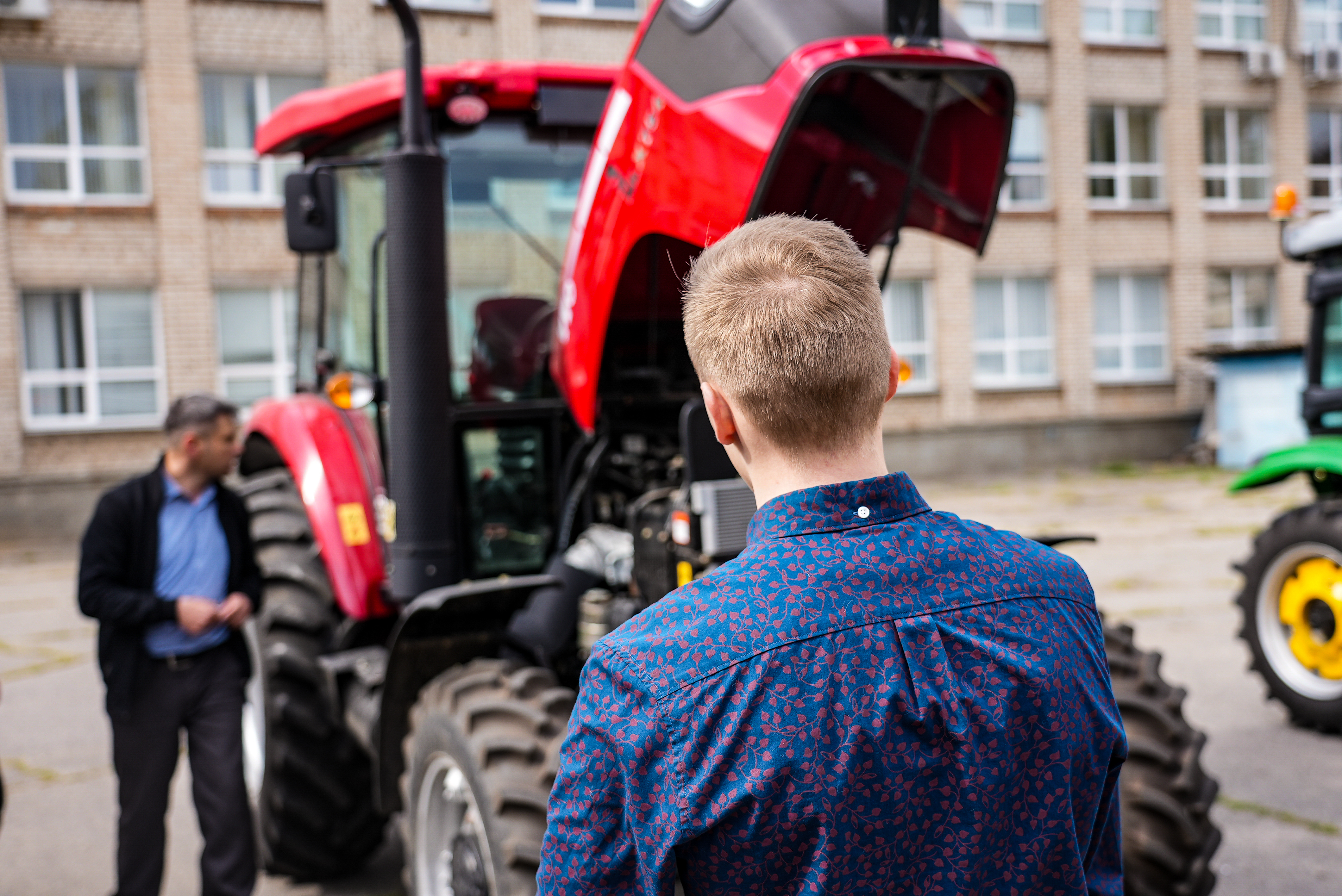
For an engineering student in a city where the power grid is a primary target, studying energy efficiency is not merely academic, it is a matter of survival. The programme combined rigorous theoretical modules with immersive field visits to modern greenhouse facilities, demonstrating how automated technologies and digital tools can keep an economy resilient under fire.
“I think that an engineering degree in energy is fundamental to the future recovery and construction of our infrastructure,” Viacheslav shares. “I hope to support the agricultural sector by using my energy education to implement sustainable technologies.”
From Blueprint to Business
“I am putting all my effort into my education now so that I can secure a stable career and support my loved ones.”
The turning point came when the course required participants to translate theory into a functional business plan. To date, 60 participants have successfully completed this and are now finalising their plans. Upon review and verification, they will be awarded grants of up to USD $1,000 each.
According to his plan, Viacheslav is launching a technical startup that creates high-end 2D/3D engineering models and digital technical documentation to help rebuild war-damaged industrial and agricultural facilities.
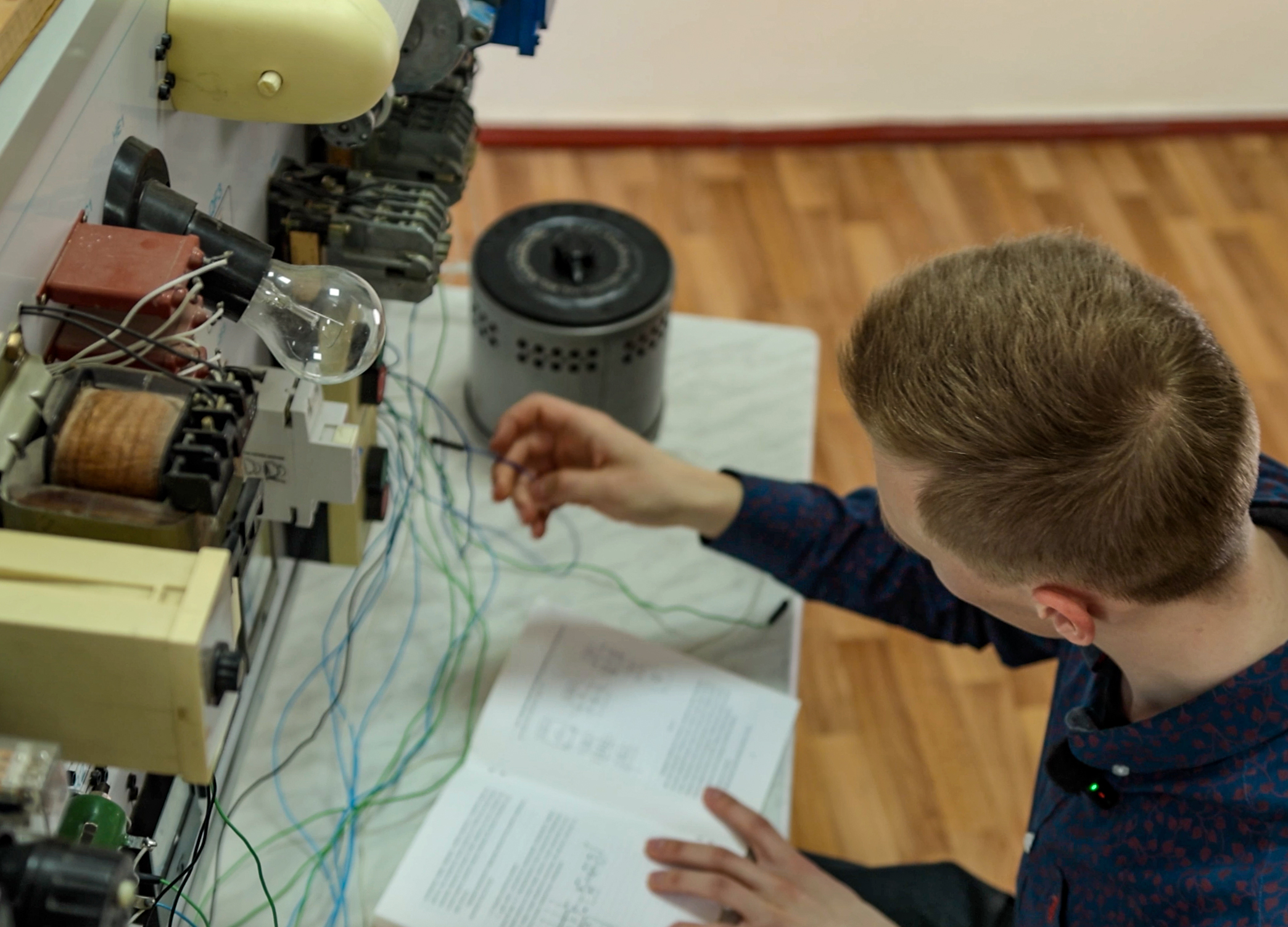
By taking over the tedious drafting and calculation work that usually slows down senior engineers, his business removes major operational bottlenecks. This frees up chief engineers to focus on system commissioning, drastically speeding up regional reconstruction timelines.
Ultimately, Viacheslav’s ambitions remain deeply human, anchored by the memory of what was lost and the determination of what can still be built.
“What motivates me to keep moving forward is the desire to build a stable life and a family,” he says. “I am putting all my effort into my education now so that I can secure a stable future and support my loved ones.”
In a territory where the future is rewritten daily, vocational training offers more than technical skills; it delivers a rare commodity – predictability.
Since 2022, World Vision has supported 15,500 people across Ukraine with professional training programmes. By investing in young minds who choose innovation over flight, these initiatives anchor the country’s future exactly where it belongs: in the hands of its youth.