article / August 21, 2026
Karawa Communities Raise Their Voices for Security Through Citizen Voice and Action
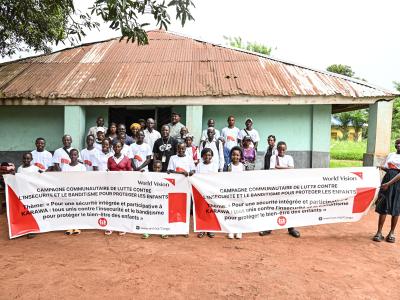
This article highlights how communities in Karawa, North Ubangi, used World Vision DRC’s Citizen Voice and Action (CVA) approach to identify insecurity as a key concern and peacefully advocate for stronger protection measures. Through community mobilisation, dialogue with authorities and a formal advocacy memorandum, residents demonstrated how informed citizens can influence local governance and contribute to building safer, more resilient communities.
publication / August 28, 2026
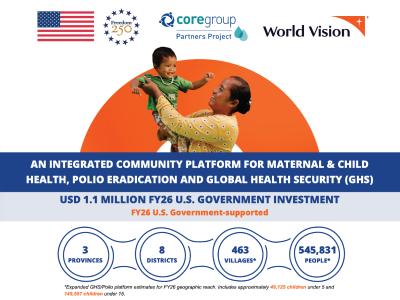
CORE Group Partners Project (CGPP) An Integrated Community Platform for Maternal & Child Health, Polio Eradication and Global Health Security (GHS)
CORE Group Partners Project (CGPP) An Integrated Community Platform for Maternal & Child Health, Polio Eradication and Global Health Security (GHS)
article / August 26, 2026
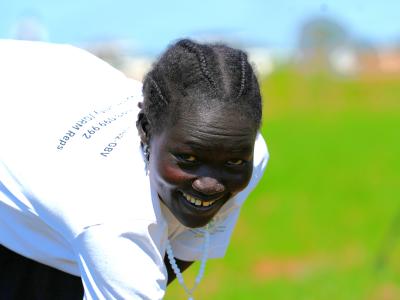
Turning floods into opportunities: Smart farming is changing lives
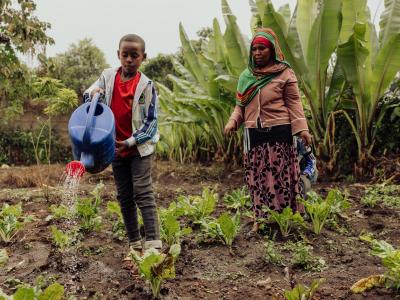
World Vision’s Water for Climate Resilience and Empowerment of Society (WACRESS) Project is supporting farmers to adopt climate-smart farming methods which are enhancing their production, diversifying livelihoods and strengthening food security for their families.
article / August 31, 2026
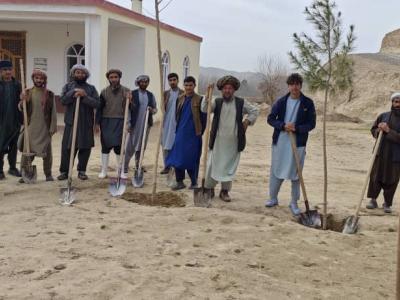
Empowered to Respond: A Community Building Its Own Resilience
In Faryab, a community-based disaster management group is responding to floods, fires and other risks, protecting lives, livelihoods and building resilience.
article / August 24, 2026
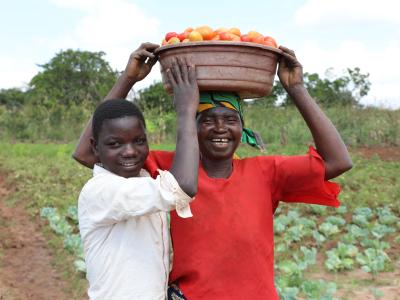
A Harvest That Put a Child Back in School
In Monapo, Mozambique, improved farming incomes through World Vision are helping children like 14-year-old Evanildo return to school and pursue their dreams.
article / August 24, 2026
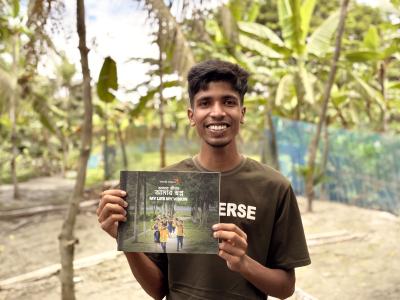
How Education Helped Durjoy Turn Hardship into Hope
Durjoy, our sponsored child from Bagerhat, overcame hardship to achieve GPA 5 in his SSC examination and pursue his dream of becoming an engineer. His story reflects how World Vision’s Sponsorship programme is helping transform the lives of thousands of children and families.
article / August 26, 2026
Back to the Fields: Mozambique Families Rebuild After Devastating Floods
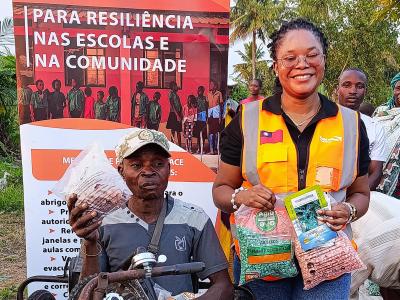
World Vision Mozambique is helping 720 flood-affected families in Maganja da Costa rebuild livelihoods through seeds and farming tools, supporting recovery, food production and income generation after the January 2026 floods.