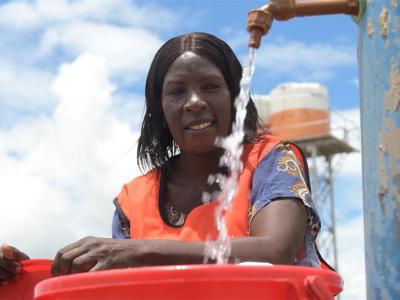
publication / March 17, 2026
Disaster Management
MEER faces some of the world’s most complex and protracted humanitarian crises. Shifting
conflict dynamics, climate shocks, and economic deterioration continue to drive multi-layered
and chronic needs. Despite the volatile context, shrinking funding and civic space, and access
challenges, World Vision has maintained operational presence and scaled up humanitarian
programming across the region for more than five decades.
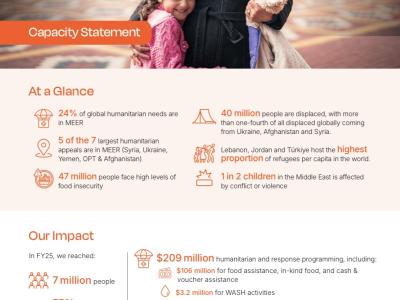
publication / March 18, 2026
Disaster Management in West Africa: 2026 Capacity Statement
World Vision is a leading humanitarian actor in West Africa, delivering timely, accountable support to children and communities affected by crises.
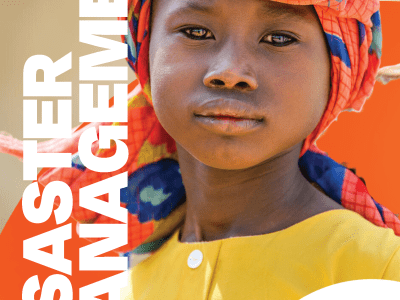
article / March 25, 2026
From Long Walks to Lasting Change: How Water is Transforming Lives in Mabalane
In Mabalane, Mozambique, improved access to safe water is transforming lives, reducing long walks, restoring dignity, and creating new opportunities for families.
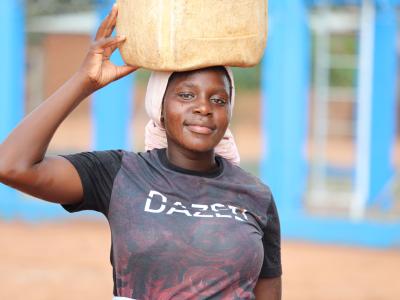
video / March 10, 2026
Empowered Worldview Transforming Lives in Makoni
In Makoni, World Vision’s Empowered Worldview programme is helping school children, youth and women unlock their potential.

opinion / March 19, 2026
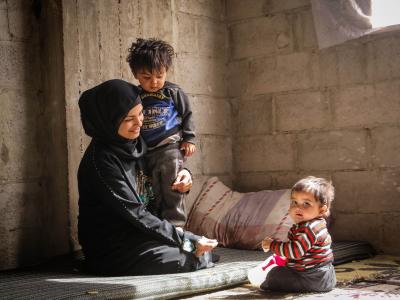
Beyond organisational structures: Why trust is central to child-focused humanitarian action in Syria
Nokuthula S. Khumalo, Technical Director Global Humanitarian Surge, highlights that in prolonged crises like Syria, it is not organisational charts that protect children, but trust. As humanitarian systems shift under funding pressure and political change, Thula reflects on how internal instability shows up in delayed care, weakened safeguarding, and broken continuity for children.
Opening offices is quick; earning staff confidence after years of uncertainty is not. Thula emphasises that listening, presence and honest communication matter more than procedural fixes when certainty is impossible.
Fourteen years into the Syria crisis, if children are to experience continuity, safety, and care during humanitarian transitions, then staff stability and trust must be funded as deliberately as security, supply chains or monitoring systems. Trusted frontline teams are the backbone of safe, child-focused action.
publication / March 16, 2026
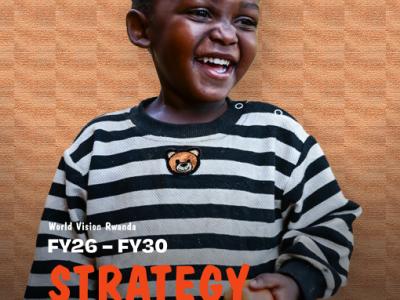
WV Rwanda FY26 - FY30 Strategy Summary
World Vision Rwanda (WV Rwanda) presents its strategy for the period of 2026-2030. The strategy aims at holistically empowering and transforming the well-being of 2.5 million most vulnerable children. It builds upon the previous five-year strategy, which empowered over 2 million most vulnerable children.
article / March 23, 2026
DR Congo: Small Plot, Big Change: How Jacqui Tshela Transformed Her Future Through Farming
This article tells the inspiring story of Jacqui Tshela, a young farmer in rural DR Congo who transformed her livelihood through improved agricultural practices learned in a Farmer Field School. After years of low yields and discouragement, she adopted new techniques and significantly increased her cassava production on a much smaller plot. Her success highlights how training, quality seeds, and community support can boost food security, restore hope, and empower vulnerable households.

publication / March 17, 2026
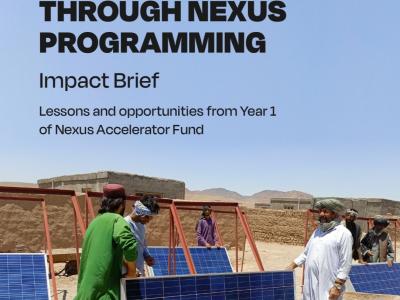
BUILDING RESILIENCE THROUGH NEXUS PROGRAMMING
Nexus drives impact in fragile contexts by linking aid, development, and peacebuilding to save lives, strengthen systems, and build lasting resilience.
publication / March 24, 2026
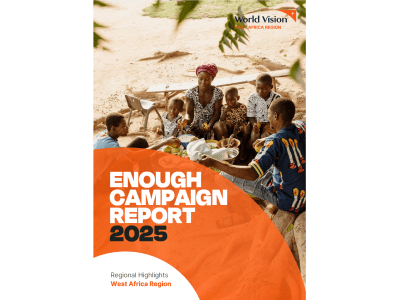
ENOUGH Campaign Report 2025 - West Africa Region
World Vision’s ENOUGH Campaign Report 2025 highlights progress on child nutrition, school feeding, and policy change across West Africa.
article / March 4, 2026
Clean Water, Safe Births, and Healthier Futures: Transforming Lives in Shamputa and Katukwe
In the rural communities of Kapiri Mposhi, access to clean water and quality maternal health services has long been a daily struggle. For expectant mothers, health workers, learners, and families, limited Water, Sanitation and Hygiene (WASH) infrastructure meant long walks to unsafe water sources, heightened risks of infection, and added pressure on already stretched health facilities.