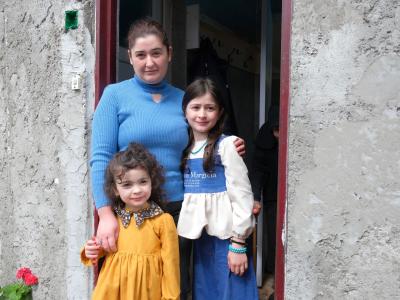
article / August 27, 2026
Early Childhood Education Transforms a Mother and Son’s Lives
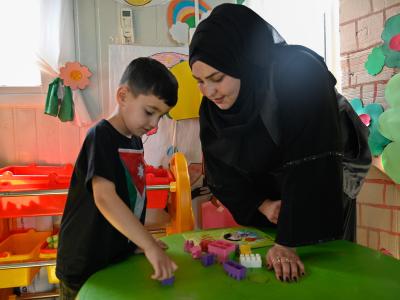
World Vision Syria Response’s inclusive education project in Sahab is helping children like Talal and Aya overcome learning barriers, build confidence, and participate fully alongside their classmates. Across 11 schools and kindergartens in Jordan, the project is creating supportive learning environments where every child has the opportunity to learn, belong, and thrive.
press release / September 3, 2026
New EU-Funded Project to Restore Safe, Inclusive Education for Over 22,000 Conflict-Affected Children in the West Bank
World Vision, in partnership with the Teacher Creativity Center (TCC) and the Palestinian Ministry of Education, today announced the launch of a new EU-funded two-year project to safeguard access to safe, inclusive and dignified education for the most vulnerable conflict-affected children across the West Bank.
article / August 24, 2026
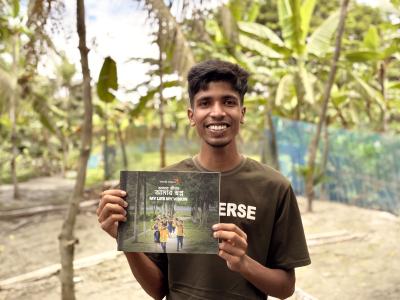
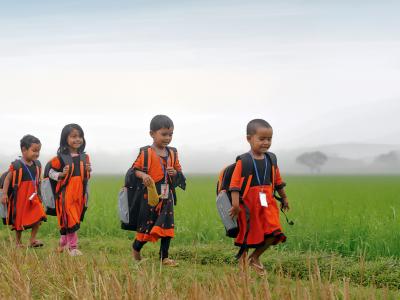
How Education Helped Durjoy Turn Hardship into Hope
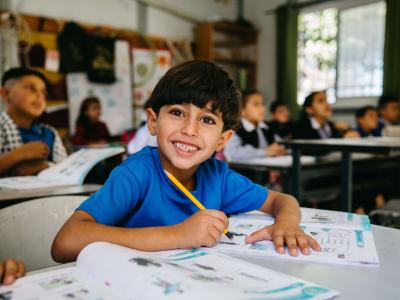
Durjoy, our sponsored child from Bagerhat, overcame hardship to achieve GPA 5 in his SSC examination and pursue his dream of becoming an engineer. His story reflects how World Vision’s Sponsorship programme is helping transform the lives of thousands of children and families.
article / August 31, 2026
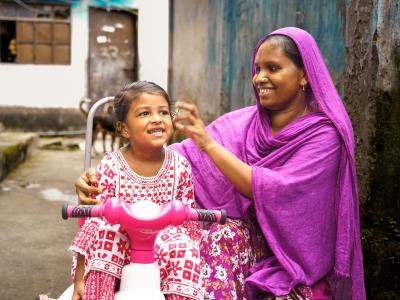
Taslima’s Dream for Her Daughter
For Taslima, 38, the greatest dream was never a bigger home or a better job. It was simple, to see her children grow up healthy, educated and with the opportunities she never had.
article / August 31, 2026
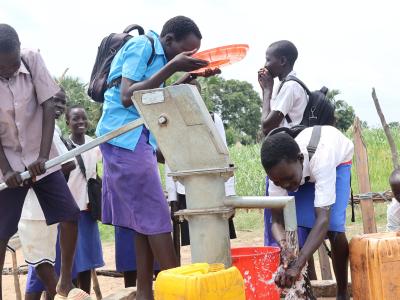
Reclaiming Time, Restoring Childhood: Clean Water Arrives in Manguar After Decades of Need
The new borehole at Manguar Primary School was made possible through the Enhancing Community Resilience and Local Governance Project Phase II (ECRP II), a government-led initiative funded by the World Bank and implemented by the Ministry of Finance and Planning and the Local Government Board, in partnership with World Vision.
article / September 1, 2026
Ten Days That Changed Efrahe's Life
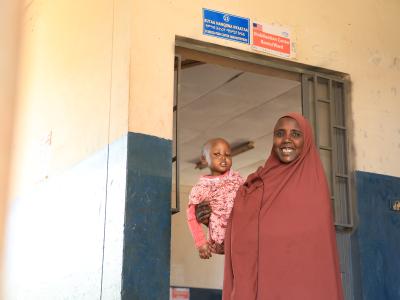
After severe acute malnutrition left two-year-old Efrahe critically ill, timely treatment and support helped her regain her strength, health, and smile.
article / August 14, 2026
Single Mother’s Life Transformed Through Handcrafted Moses Baskets
For single mother Nana from Georgia, learning to knit Moses baskets was a pathway to confidence, financial independence, and a brighter future for her family.

article / September 4, 2026
A Mother of Six and Her Path to Accounting Career
In a small village in Western Georgia, Teona, , a 35-year-old mother of six, proved that it is never too late to pursue a dream. Driven by a determination to build a better future for her family, she set out to turn her passion for numbers into a professional accounting career. With the support of her devoted family and World Vision, Teona overcame financial and practical obstacles, proving that resilience and timely support can turn ambitions into reality.