article / August 21, 2026
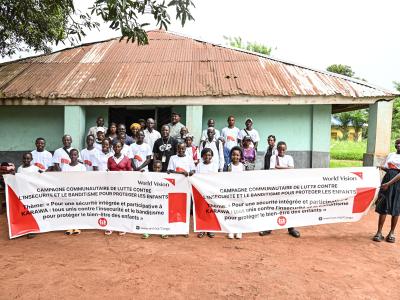
Karawa Communities Raise Their Voices for Security Through Citizen Voice and Action
This article highlights how communities in Karawa, North Ubangi, used World Vision DRC’s Citizen Voice and Action (CVA) approach to identify insecurity as a key concern and peacefully advocate for stronger protection measures. Through community mobilisation, dialogue with authorities and a formal advocacy memorandum, residents demonstrated how informed citizens can influence local governance and contribute to building safer, more resilient communities.
article / August 20, 2026
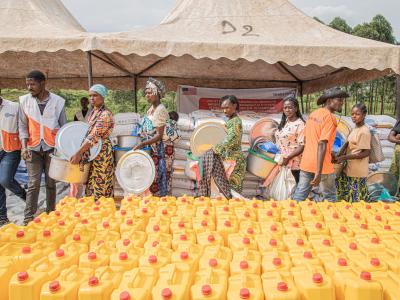
In Nyiragongo and Masisi, 8,000 households regain prospects thanks to the Emergency Response project
This article highlights how World Vision’s Emergency Response project in Nyiragongo and Masisi is helping 8,000 crisis-affected households rebuild their livelihoods and regain hope. Through vocational training, income-generating activities and livelihood kits, women and families have gained practical skills, increased their self-reliance and strengthened their ability to meet their children’s basic needs. Their stories demonstrate how economic empowerment can restore dignity, resilience and confidence among displaced and vulnerable communities.
video / August 21, 2026
Fighting Cholera at the Doorstep: Community Action Saves Lives in Kolwezi
In Kolwezi, Lualaba province, the cholera outbreak is not only claiming lives in the hospital. It is also claiming lives in people’s homes, but silently.
Since December 2025, the Manika health zone has been facing a health crisis. But a genuine chain of solidarity has emerged. With support from World Vision DRC, through the NEPRF (National Emergency Preparedness and Response Fund), an internal emergency fund used to rapidly mobilise humanitarian aid during disasters, courageous community volunteers, such as Nicole, are going door-to-door to raise awareness, disinfect, distribute chlorine, and refer the sick to treatment centres.
The result? Over 7,000 people have been reached. More than 100 kg of chlorine has been distributed. Community mobilisation is our best weapon against cholera. Because saving lives starts with a simple act: informing to protect.

article / August 24, 2026
A Harvest That Put a Child Back in School
In Monapo, Mozambique, improved farming incomes through World Vision are helping children like 14-year-old Evanildo return to school and pursue their dreams.
video / August 4, 2026
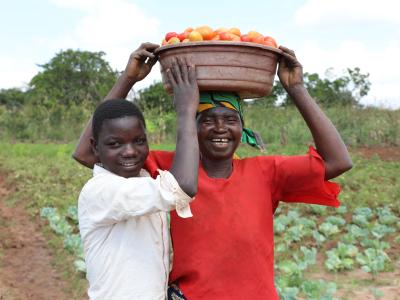
DR Congo: Rebuilding with Dignity: How One Mother Transformed Emergency Support into Opportunity
Rosette, a 38-year-old mother of seven in eastern Democratic Republic of the Congo, transformed emergency assistance into a sustainable livelihood after receiving a reintegration kit through a World Vision project funded by the United States Government. Her inspiring journey highlights how targeted humanitarian support can restore dignity, strengthen resilience, and help vulnerable families rebuild their lives.
article / August 21, 2026
From the Red Status of Malnutrition to Green Status: A Grandmother's Fight to Save MALI from Malnutrition
This article tells the moving story of Esther, a grandmother in Katwiguru who fought to save her granddaughter MALI from severe malnutrition amid displacement and insecurity. With support from World Vision and access to therapeutic food and nutrition counselling, MALI’s health and appetite improved, moving her from severe malnutrition towards full recovery. The story highlights the resilience of caregivers, the importance of community-based nutrition services, and World Vision’s continued efforts to reach vulnerable children in hard-to-reach areas.
article / August 21, 2026
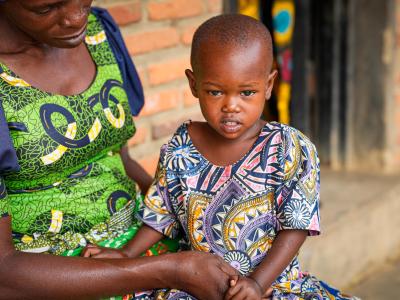
Standing with Children Through Crisis and Recovery
Having lived through the 2015 earthquake himself, Surendra Ratna Shakya has dedicated his career to supporting vulnerable children and families through crisis and recovery.
video / August 21, 2026
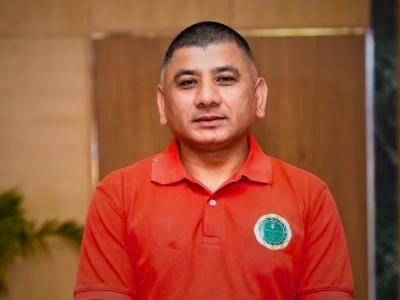
Saving Lives on the Front Lines: Honouring Ebola Responders This World Humanitarian Day
This video highlights the courage and challenges faced by Ebola responders in the DRC, where misinformation, community resistance and security risks complicate efforts to contain the outbreak. Christian Kasereka shares how World Vision is using faith-based Channels of Hope to build trust, strengthen community engagement and help save lives, while calling for greater protection of humanitarian workers.
article / August 24, 2026
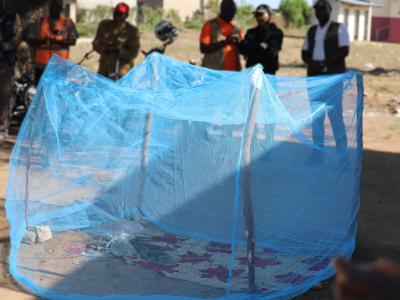
From Flood Recovery to Malaria Prevention in Gaza
Malaria risk rises in Mozambique’s Gaza Province after floods, prompting a major mosquito-net campaign to protect vulnerable families, especially children and pregnant women.
article / August 21, 2026
At the Frontline of Crisis and Recovery
From earthquakes to landslides, Nanda Budha reflects on leading humanitarian responses and standing with communities in crisis.