
press release / September 2, 2026
‘I left everything behind’: Nepal flash flood, children face trauma, displacement and uncertainty and growing protection risks
As the humanitarian crisis deepens, with more than 1,000 confirmed fatalities and thousands still missing, strengthened child protection measures are urgently needed to support displaced children and their families.
article / August 4, 2026
DR Congo: When a Project Ends, Protection Lives On Through the Legacy Carried by Communities in North Kivu
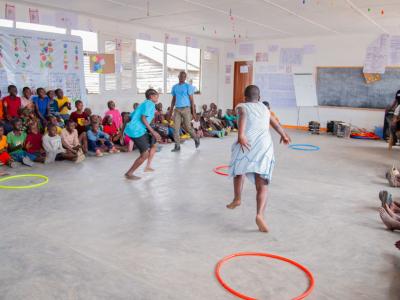
As the Emergency Response to WASH, Protection and Livelihood Needs of IDPs and Host Communities in North Kivu project comes to an end, its impact continues to live on through the people and communities it transformed. Through the voices of mothers, children, community volunteers, facilitators, mentors, and local leaders, this article highlights how Child-Friendly Spaces and Safe Spaces restored hope, strengthened protection systems, and empowered communities to safeguard children and survivors of gender-based violence. It demonstrates that while humanitarian projects may have a defined lifespan, the knowledge, resilience, and commitment they leave behind create a lasting legacy that continues to protect vulnerable families long after project activities have ended.
article / September 4, 2026
From Struggle to a Brighter Future: Chikwenda’s Journey to Dignity and Hope
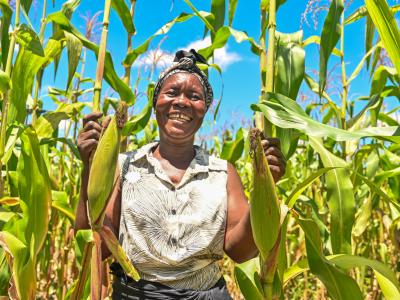
For years, the Chikwenda family worked to make ends meet. Despite long hours on their farm, poor yields left little food to sustain the household throughout the year.
Mr Boniface Chikwenda recalls a season when farming brought small returns.
publication / June 25, 2026
ENOUGH 2025: Driving Progress to End Child Hunger and Malnutrition
ENOUGH 2025, presents key developments in policy, programmes and partnerships three years into the campaign
press release / August 25, 2026
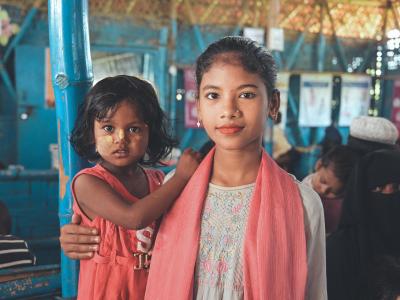
Nine Years of Struggle: Rohingya Children Caught Between Climate Disasters and Plunging Aid
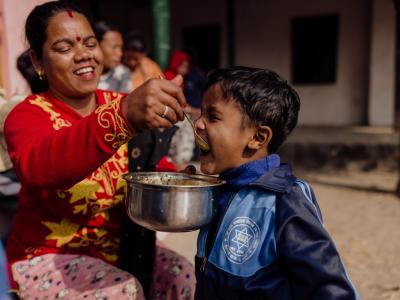
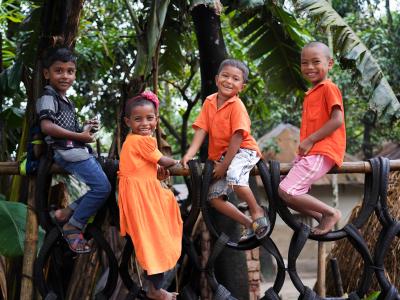
Nine years into protracted displacement, escalating climate disasters and a 24% aid cut threaten 1.2 million Rohingya refugees, prompting World Vision to call for global responsibility-sharing and durable, nexus-driven solutions for children and host communities.
publication / September 4, 2026
Global Accountability Report 2025
Explore World Vision's 2025 Accountability Report, highlighting transparency, safeguarding, financial stewardship, resilience, and community impact.
article / September 2, 2026
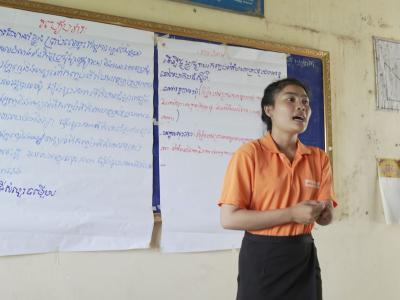
Forging an Inclusive and Gender Equitable Climate Action: Amplifying the Leadership of Girls and Women with Disabilities
Persons with disabilities make up the world’s largest minority—80% live in low- and middle-income countries. In Asia Pacific alone, nearly 108 million children with disabilities face mounting climate risks, for instance, more treacherous typhoons, floods and heatwaves.
article / August 27, 2026
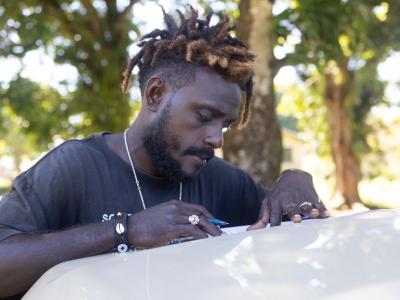
Chosen for a Second Chance, Inspired to Build a Better Future
The EU-funded Women’s Economic Empowerment Sapotim Strongpela Meri Project, implemented by World Vision PNG, is giving 25 school leavers in Central Bougainville a second chance through education and vocational training, empowering them with skills, hope and opportunities for a brighter future.
video / September 3, 2026
World Vision Albania equips young people with skills for work and knowledge about EU integration
World Vision Albania supports young people to build digital and professional skills, prepare for the labour market and better understand Albania’s EU integration journey
