
press release / March 23, 2026
World Vision International Lesotho to Host National Learning Event on Gender Equality and Women Empowerment Project
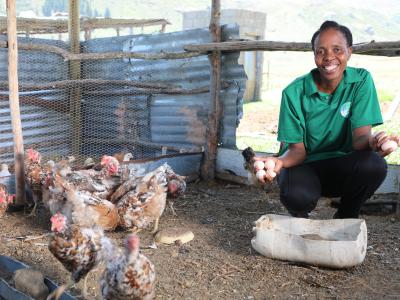
World Vision Lesotho hosts a National Learning Event to mark the closeout of the GEWE Project, highlighting achievements in women and youth empowerment, key lessons learned, and strategies to sustain impact beyond 2026
article / March 11, 2026
DR Congo: World Vision's Men Care Approach Is Transforming Male Roles For the Benefit of Families
In DRC, World Vision is helping transform traditional gender roles through its Men Care approach, supported by Aktion Deutschland Hilft (ADH). The programme trains community facilitators who lead discussions with fathers on positive parenting, shared household responsibilities, girls’ education, and non-violent family relationships. In its first phase, 660 men from Nyangezi and Nyantende participated. The initiative is already producing visible changes in families, with many men becoming more involved in domestic tasks, communication, and childcare. By encouraging fathers to play a more active and supportive role at home, World Vision aims to strengthen families, reduce domestic tensions, and create safer, more nurturing environments for children.

publication / March 24, 2026
World Vision Uganda Annual Report 2025
World Vision Uganda Annual Report captures key achievements of Financial Year 2025

article / March 18, 2026
Savings groups strengthen household financial security Niélé's experience
Before joining a community savings group, Niélé had no way of putting money aside

publication / January 22, 2026
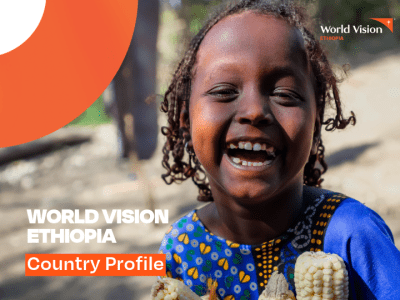
World Vision Ethiopia Country Profile
World Vision has worked in Ethiopia since 1971, supporting children through emergency response, education, health, water, and long-term community programmes.
video / March 11, 2026
World Vision's Men Care Approach Is Transforming Male Roles For the Benefit of Families
This video shows how in South Kivu, eastern Democratic Republic of Congo, World Vision is helping transform traditional gender roles through its Men Care approach, supported by Aktion Deutschland Hilft (ADH). The programme trains community facilitators who lead discussions with fathers on positive parenting, shared household responsibilities, girls’ education, and non-violent family relationships. In its first phase, 660 men from Nyangezi and Nyantende participated. The initiative is already producing visible changes in families, with many men becoming more involved in domestic tasks, communication, and childcare. By encouraging fathers to play a more active and supportive role at home, World Vision aims to strengthen families, reduce domestic tensions, and create safer, more nurturing environments for children.

publication / January 21, 2026
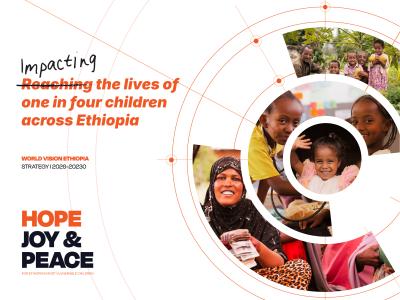
World Vision Ethiopia Strategy |2026 - 2030
World Vision Ethiopia’s 2026–2030 strategy outlines how we will impact one in four children by improving nutrition, protection, learning, and positive family and community relationships through integrated, child-centred action.
publication / March 19, 2026
World Vision Romania Country Profile FY25
World Vision Romania, active 35+ years, supports children via education, protection and development, reaching 4M+ people and impacting 5M+ through policy change.

press release / March 19, 2026
World Vision completes winter cash programme for frontline families in Ukraine
Funded by Aktion Deutschland Hilft, the winter cash programme provides support for frontline families in Kharkivska and Mykolaivska regions.
