
publication / August 28, 2026
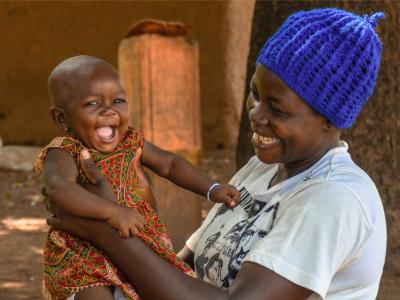
CORE Group Partners Project (CGPP) An Integrated Community Platform for Maternal & Child Health, Polio Eradication and Global Health Security (GHS)
CORE Group Partners Project (CGPP) An Integrated Community Platform for Maternal & Child Health, Polio Eradication and Global Health Security (GHS)
press release / September 3, 2026
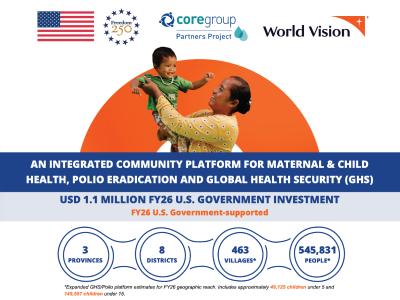
World Vision Lesotho, Government, U.S. Embassy and Health Partners Come Together to Strengthen Faith and Community Health Services in Lesotho
World Vision Lesotho, Government, U.S. Embassy and health partners come together to co-create a roadmap to strengthen faith and community health services in Lesotho.
press release / September 3, 2026
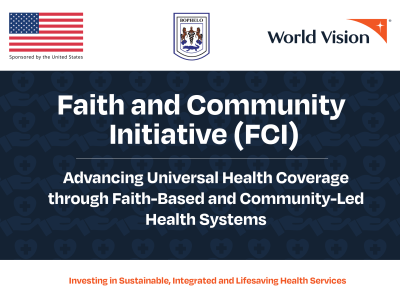
New EU-Funded Project to Restore Safe, Inclusive Education for Over 22,000 Conflict-Affected Children in the West Bank
World Vision, in partnership with the Teacher Creativity Center (TCC) and the Palestinian Ministry of Education, today announced the launch of a new EU-funded two-year project to safeguard access to safe, inclusive and dignified education for the most vulnerable conflict-affected children across the West Bank.
publication / September 2, 2026
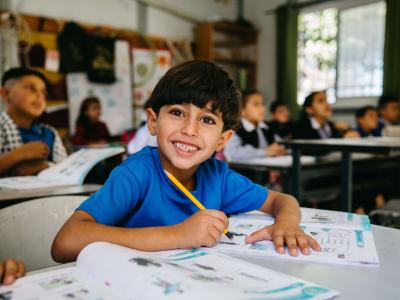
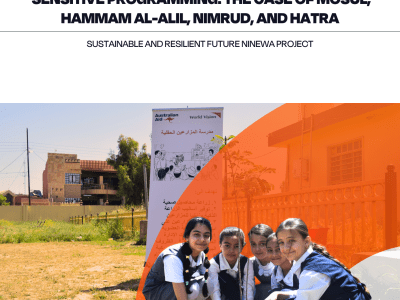
Context and Conflict Analysis: Sustainable and Resilient Future Ninewa Project
Explore World Vision’s Context and Conflict Analysis for Ninewa, Iraq, examining conflict dynamics, livelihoods, climate pressures, inclusion, and opportunities to strengthen resilience and social cohesion.
article / August 27, 2026
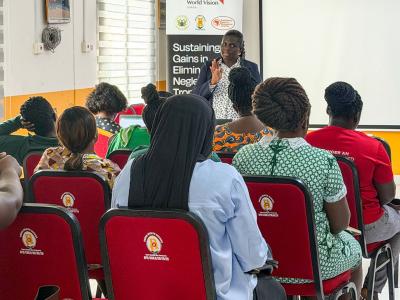
World Vision Ghana Trains over 270 Health Workers to Strengthen Community-Based Surveillance and Care for Neglected Tropical Diseases
World Vision Ghana, in partnership with the National NTD Programme, is strengthening community-based surveillance and care for neglected tropical diseases through the training of frontline health workers, improving early detection, referrals, NHIS enrolment and access to essential healthcare services.
article / September 2, 2026
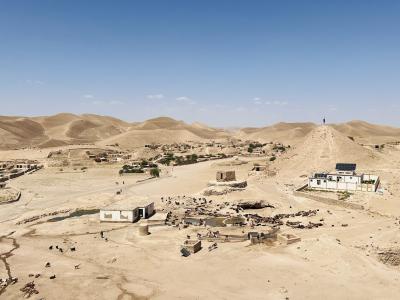
Building Dignity, Restoring Health: How Community Contributions Transformed an Entire Village into an Open Defecation-Free Community
Discover how Khuja Espalan village in Faryab became Open Defecation-Free through community action, local contributions, and improved sanitation.
article / September 3, 2026
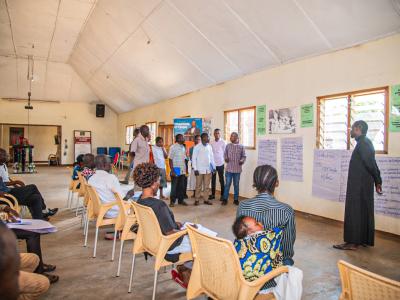
DRC: Mobilizing Faith Leaders to Curb the Spread of Ebola Through Channels of Hope
This article explores how World Vision's Channels of Hope (CoH) approach is supporting the fight against Ebola in Ituri Province by engaging religious leaders and communities. By training faith leaders to deliver culturally relevant health messages, the programme helps build trust, reduce stigma, and encourage the adoption of preventive measures. Through testimonies from health professionals and religious leaders in Nyakunde, the story demonstrates that defeating Ebola requires not only medical interventions but also strong community engagement and trusted local voices.
article / August 24, 2026
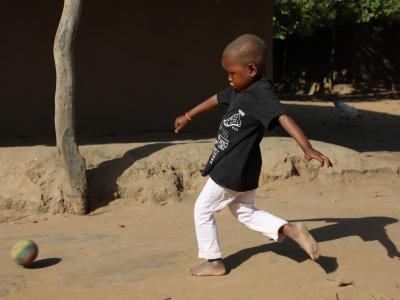
Trangelito Kicks His Way Back to Health
After battling severe acute malnutrition and malaria, five-year-old Trangelito regained his strength with timely medical care and continued support from community volunteers in Monapo.
article / August 21, 2026
From Shea Nuts to Shaping Futures: How the THRIVE 2030 Project Is Transforming Households in Kuboko
The THRIVE 2030 Project is reducing poverty in vulnerable households by building capacity, linking producer groups to market value chains, and helping communities embrace sustainable environmental practices.