article / July 28, 2026
Boy Child Mentorship Programme and Child-Friendly CGPU Office Strengthen Child Protection in Lesotho
World Vision Lesotho empowers 97 boys through a mentorship programme and hands over a Child-Friendly CGPU Office to strengthen child protection and safer reporting for children.

article / July 13, 2026
Giving Children a Voice: Raising Awareness on Gender-Based Violence at Lang Agaal Primary School
This session is integral component of the Enhancing Community Resilience and Local Governance Project Phase II (ECRP II), a government-led initiative funded by the World Bank and implemented by the Ministry of Finance and Planning and the Local Government Board, in partnership with World Vision in Warrap state.

publication / June 10, 2026
In the shadow of hunger - Policy Recommendations
Report on displaced children shows how food insecurity and aid cuts increase risks, and how self-reliance improves child wellbeing across global hunger hotspots.

publication / July 31, 2026
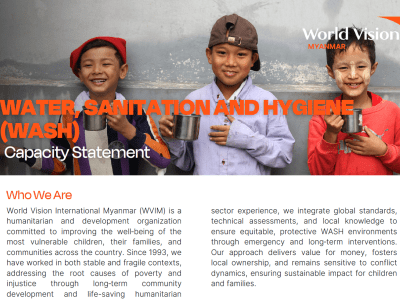
WASH Capacity Statement
World Vision International Myanmar (WVIM) is one of the longest-serving humanitarian and development organization in Myanmar, with more than three decades of operational presence across both stable and conflict-affected contexts. We partner closely with government ministries, civil society, faith based groups, local leaders, and communities to deliver integrated programs in education, child protection, health and nutrition, WASH, livelihoods, and disaster response. Our locally rooted teams ensure culturally relevant, community owned solutions that support children to thrive. In livelihood, our work focuses on strengthening household resilience, restoring livelihoods, and protecting the well-being of vulnerable children through integrated, community-driven approaches that address both immediate needs and long-term recovery. Each year, our programmes reach millions, reflecting our commitment to ensure children are educated, protected, and cared for in safe and resilient communities.
publication / June 8, 2026
In the shadow of hunger - Policy Recommendations
Report on displaced children shows how food insecurity and aid cuts increase risks, and how self-reliance improves child wellbeing across global hunger hotspots.

article / July 2, 2026
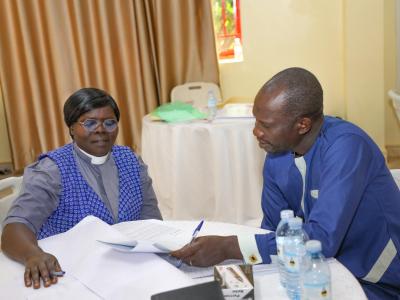
World Vision Partners with Faith Leaders to Curb Ebola in Uganda
The story is about how World Vision is engaging faith leaders to curb the spread of Ebola in Uganda
article / July 8, 2026
The Future of Humanitarian Action Starts with Children
At ECOSOC HAS 2026, World Vision helped shape global conversations on hunger, localisation and humanitarian reform. As humanitarian needs rise and resources shrink, World Vision helped keep the focus on children, communities and locally led solutions.

publication / June 12, 2026
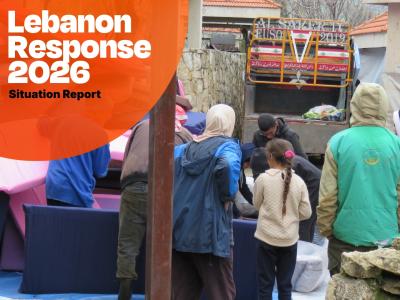
Lebanon Response 2026 - Situation Report #12
Ongoing ceasefire violations in Lebanon, including airstrikes, shelling, displacement orders, and military activity, continue to drive humanitarian needs.
article / July 15, 2026
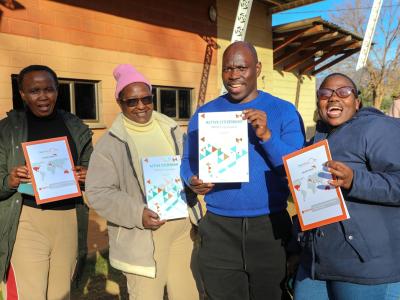
World Vision Lesotho Equips Teachers to Strengthen WASH Clubs, Active Citizenship and Disaster Preparedness
World Vision Lesotho trained 81 teachers to strengthen WASH Clubs, active citizenship and disaster preparedness, empowering learners to build healthier, safer and more resilient schools.
article / June 30, 2026
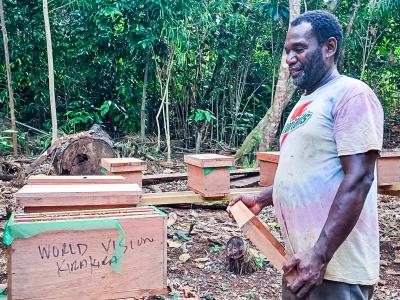
Growing resilience, harvesting hope: How communities in Makira are building a stronger future
Discover how the CARA Project is helping communities in Makira build climate resilience, improve livelihoods, strengthen food security, and create brighter futures for children.