Home

Get Involved

  • Donate
  • Get Involved
English
  • French
  • Spanish
  • Deutsch
  • Georgian
  • Arabic
  • Armenian
  • Bosnian
  • Albanian
  • Vietnamese
  • Portuguese, Portugal

Main navigation

  • Who We Are
    • About Us
      • Our History
      • Our Leadership
      • Our Vision & Values
      • Our Faith
      • Our Partners
      • Our Structure
    • Our Approaches
      • Advocacy
      • Emergency Relief
      • Our Global Strategy
      • Transformational Development
    • Contact Us
      • Careers and Internships
    • FAQ
  • What We Do
    • Focus Areas
      • Child Protection
      • Clean Water and Sanitation
      • Education
      • Fragile Context Programming
      • Health & Nutrition
      • Livelihoods
      • View All Sectors
    • Emergency Response
      • Afghanistan Emergency Response
      • El Niño Drought Response
      • Emergency Mpox Response
      • Global Hunger Crisis
      • Middle East Crisis Response
      • Myanmar Earthquake Response
      • Sudan Crisis Response
      • Syria Crisis Response
      • Ukraine Crisis
      • Venezuela Crisis
      • Yemen Emergency Response
    • Campaigns
      • ENOUGH food for every child
      • Ending Violence Against Children
  • Where We Work
    • Africa
      • Angola
      • Burkina Faso
      • Burundi
      • Central African Republic
      • Chad
      • Congo
      • Eswatini
      • Ethiopia
      • Ghana
      • Kenya
      • Lesotho
      • Malawi
      • Mali
      • Mauritania
      • Mozambique
      • Niger
      • Rwanda
      • Senegal
      • Sierra Leone
      • Somalia
      • South Africa
      • South Sudan
      • Sudan
      • Tanzania
      • Uganda
      • Zambia
      • Zimbabwe
    • Americas
      • Bolivia
      • Brazil
      • Canada
      • Chile
      • Colombia
      • Costa Rica
      • Dominican Republic
      • Ecuador
      • El Salvador
      • Guatemala
      • Haiti
      • Honduras
      • Mexico
      • Nicaragua
      • Peru
      • United States
      • Venezuela
    • Asia Pacific
      • Bangladesh
      • Australia
      • Cambodia
      • China
      • Hong Kong, SAR
      • India
      • Indonesia
      • Japan
      • Laos
      • Malaysia
      • Mongolia
      • Myanmar
      • Nepal
      • New Zealand
      • North Korea
      • Papua New Guinea
      • Philippines
      • Singapore
      • Solomon Islands
      • South Korea
      • Sri Lanka
      • Taiwan
      • Timor Leste
      • Thailand
      • Vietnam
      • Vanuatu
    • Middle East and Europe
      • Afghanistan
      • Albania
      • Armenia
      • Austria
      • Belgium
      • Bosnia and Herzegovina
      • Cyprus
      • European Union
      • Finland
      • France
      • Georgia
      • Germany
      • Iraq
      • Ireland
      • Italy
      • Jordan
      • Lebanon
      • Moldova
      • Netherlands
      • Romania
      • Spain
      • Syria
      • Switzerland
      • Türkiye
      • Ukraine
      • United Kingdom
      • West Bank
      • Yemen
  • Resources
    • News
    • Impact Stories
    • Thought Leadership
    • Publications
      • Annual Report
Home
wvi

Main navigation

  • Who We Are
    • About Us
      • Our History
      • Our Leadership
      • Our Vision & Values
      • Our Faith
      • Our Partners
      • Our Structure
    • Our Approaches
      • Advocacy
      • Emergency Relief
      • Our Global Strategy
      • Transformational Development
    • Contact Us
      • Careers and Internships
    • FAQ
  • What We Do
    • Focus Areas
      • Child Protection
      • Clean Water and Sanitation
      • Education
      • Fragile Context Programming
      • Health & Nutrition
      • Livelihoods
      • View All Sectors
    • Emergency Response
      • Afghanistan Emergency Response
      • El Niño Drought Response
      • Emergency Mpox Response
      • Global Hunger Crisis
      • Middle East Crisis Response
      • Myanmar Earthquake Response
      • Sudan Crisis Response
      • Syria Crisis Response
      • Ukraine Crisis
      • Venezuela Crisis
      • Yemen Emergency Response
    • Campaigns
      • ENOUGH food for every child
      • Ending Violence Against Children
  • Where We Work
    • Africa
      • Angola
      • Burkina Faso
      • Burundi
      • Central African Republic
      • Chad
      • Congo
      • Eswatini
      • Ethiopia
      • Ghana
      • Kenya
      • Lesotho
      • Malawi
      • Mali
      • Mauritania
      • Mozambique
      • Niger
      • Rwanda
      • Senegal
      • Sierra Leone
      • Somalia
      • South Africa
      • South Sudan
      • Sudan
      • Tanzania
      • Uganda
      • Zambia
      • Zimbabwe
    • Americas
      • Bolivia
      • Brazil
      • Canada
      • Chile
      • Colombia
      • Costa Rica
      • Dominican Republic
      • Ecuador
      • El Salvador
      • Guatemala
      • Haiti
      • Honduras
      • Mexico
      • Nicaragua
      • Peru
      • United States
      • Venezuela
    • Asia Pacific
      • Bangladesh
      • Australia
      • Cambodia
      • China
      • Hong Kong, SAR
      • India
      • Indonesia
      • Japan
      • Laos
      • Malaysia
      • Mongolia
      • Myanmar
      • Nepal
      • New Zealand
      • North Korea
      • Papua New Guinea
      • Philippines
      • Singapore
      • Solomon Islands
      • South Korea
      • Sri Lanka
      • Taiwan
      • Timor Leste
      • Thailand
      • Vietnam
      • Vanuatu
    • Middle East and Europe
      • Afghanistan
      • Albania
      • Armenia
      • Austria
      • Belgium
      • Bosnia and Herzegovina
      • Cyprus
      • European Union
      • Finland
      • France
      • Georgia
      • Germany
      • Iraq
      • Ireland
      • Italy
      • Jordan
      • Lebanon
      • Moldova
      • Netherlands
      • Romania
      • Spain
      • Syria
      • Switzerland
      • Türkiye
      • Ukraine
      • United Kingdom
      • West Bank
      • Yemen
  • Resources
    • News
    • Impact Stories
    • Thought Leadership
    • Publications
      • Annual Report
English
  • French
  • Spanish
  • Deutsch
  • Georgian
  • Arabic
  • Armenian
  • Bosnian
  • Albanian
  • Vietnamese
  • Portuguese, Portugal

Get Involved

  • Donate
  • Get Involved

Error message

The page you requested does not exist. For your convenience, a search was performed using the query mauritania gallery global week action mauritania zero preventable neo natal maternal deaths.

Popular searches:

  • Careers
  • Child Sponsorship
  • Childhood Rescue
  • Emergency Response
Search results: 1 - 10 of 14221
article / February 16, 2026

When water comes home: Partnering to supply hope in Mauritania

In the peri‑urban neighborhoods of Riyad and Dar El Beida in Mauritania, access to safe drinking water has long been unreliable. To respond to this challenge, World Vision worked with local communities and its top ten private‑sector service providers to bring potable water directly into homes, and relieving the burden for 348 people.
Mauritania SCM WASH Story - Picture 2
publication / March 2, 2026

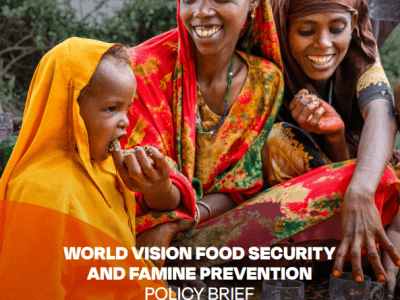
Policy Brief | Famine Prevention & Food Security

Policy Brief | Famine Prevention & Food Security
PB_FP_FS
publication / March 9, 2026

Policy Overview | Famine Prevention & Food Security

Famine is not a natural disaster and can be prevented. Across the world’s hunger hotspots, early warnings are clear, yet governments continue to act too late – or not at all. Conflict, blockades, and the denial of humanitarian access, not food scarcity, are driving a deepening hunger crisis, with children suffering first and longest. As aid budgets are cut, the gap between need and response is widening fast. This is a false economy: preventing famine costs far less than responding once lives are already lost. World Vision warns famine can be predicted and prevented – but only if leaders act early, protect civilians, and put children at the centre of hunger prevention.
Policy Overview
publication / March 16, 2026

World Vision Bangladesh 2025 Annual Report

In FY2025, World Vision Bangladesh reached 6.5M people, supporting child protection, safe water, nutrition, and climate resilience to build brighter futures for children.
World Vision Bangladesh 2025 Annual Report
press release / March 4, 2026

Second Deadly Landslide in Five Weeks Kills at Least 56 Children in Conflict-Affected Eastern DRC

This press release reports on a second deadly landslide in five weeks at an artisanal coltan mine in Rubaya, North Kivu, eastern DRC, which has killed at least 56 children and is believed to have claimed more than 200 lives in total. Issued from Goma on 4 March 2026, the statement from World Vision condemns the recurring tragedy and highlights the dangerous working conditions in informal mining sites, where poverty and lack of alternatives force families, including children, to risk their lives. The organisation stresses that coltan, a key mineral used in mobile phones and other electronics, continues to fuel conflict and armed groups in the region. It calls for urgent humanitarian access, stronger child protection measures, sustainable economic alternatives for communities, and stricter regulation of the artisanal mining sector to prevent further loss of life.
Workers in an artisanal mine site in Kolwezi
press release / March 4, 2026

Second Deadly Landslide in Five Weeks Kills at Least 56 Children in Conflict-Affected Eastern DRC

Press release highlights the dangers faced by children and adults working in mines in North Kivu, DRC
opinion / March 8, 2026

Becoming One: Faith in Action Against Femicide

Faith leaders in Kenya are helping prevent violence against women through a community‑led couples programme that strengthens relationships and protects families.
A man and woman sit next to each other, both smiling.
publication / March 16, 2026

Annual Impact Report 2025

World Vision International in Cambodia’s 2025 Impact Report highlights a year of resilience, adaptation, and collective action amid significant humanitarian and development challenges. In a rapidly changing context shaped by sector‑wide disruptions and escalating border‑related conflict, World Vision Cambodia worked closely with government authorities, partners, communities, and donors to respond to urgent needs while sustaining long‑term development efforts. In 2025, World Vision Cambodia reached 5.4 million people, including 3.1 million children, nearly one third of Cambodia’s population. Humanitarian response remained a critical priority, supporting over 144,000 displaced people across 100 displacement sites, including children and people with disabilities, through life‑saving assistance such as water, sanitation, food and non‑food items, cash assistance, education, health and nutrition services, protection, and psychosocial support. Beyond emergency response, progress was achieved across education, child protection, WASH, nutrition, livelihoods, climate action, social accountability, and inclusive programming. The year also marked 55 years of World Vision’s long‑term commitment in Cambodia, reflecting sustained partnership and a shared vision for every child to experience life in all its fullness.
Lita is reading books at a displacement site
publication / February 22, 2026

World Vision Somalia Abridged Strategy FY26- FY30

WVS’s child well-being priorities are closely aligned with Pillar 3: Social Development of the Somalia National Transformation Plan (NTP) and contribute directly to the Sustainable Development Goals (SDGs). Efforts to improve child nutrition and reduce wasting and stunting advance SDG 2: Zero Hunger and respond to the NTP priority of improving access to and quality of nutrition and food security services. Expanding equitable, quality maternal and child healthcare supports SDG 3: Good Health and Well-being, addressing the NTP’s goal of strengthening accessible healthcare systems. Finally, strengthening child protection systems and family support contributes to SDG 5: Gender Equality and SDG 16: Peace, Justice, and Strong Institutions, reinforcing the NTP commitment to protect children and promote social cohesion.
World Vision Somalia Strategy FY26-FY30
publication / March 9, 2026

Policy Insights in Ending Child Hunger and Malnutrition

This policy brief introduces the ENOUGH Campaign in East Africa and invites you to be part of a practical response rooted in bold hope to end child hunger and malnutrition. It explains the challenge clearly, highlights what is working, and sets out actions that governments, donors, businesses, civil society, communities and friends of children can take together. The goal is simple and urgent: to make sure every child has ENOUGH of the right food to grow well, learn in school and thrive.
Policy Insights Ending Child Hunger and Malnutrition in East Africa

Pagination

  • Page 1
  • Page 2
  • Page 3
  • Page 4
  • Page 5
  • Page 6
  • Page 7
  • …
  • Next page Next ›
  • Last page Last »

World Vision

Footer

  • About Us
    • Our Vision & Values
    • Our History
    • Our Leadership
    • Our Structure
    • Our Partners
    • Accountability
    • FAQ
  • Our Approaches to Change
    • Child Sponsorship
    • Global Campaign
    • Our Global Strategy
    • The Role of Faith
  • Work with Us
    • Our Culture
    • Careers & Internships
    • Explore Open Positions
    • Internships
    • Open Tenders
  • Connect With Us
    • Facebook
    • Youtube
    • Twitter
    • Instagram
    • LinkedIn
    • Contact Us
    • World Vision in Your Country/Region
    • Report a Concern

Get Our Newsletter

form-submit-link on the Mailchimp signup in the footer

Accountable Now

Footer Legal

  • © 2026 World Vision International
  • Privacy Policy
  • Terms of Use