article / August 24, 2026
A Harvest That Put a Child Back in School
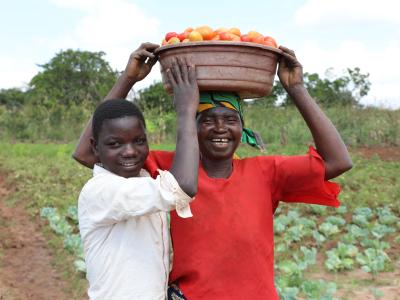
In Monapo, Mozambique, improved farming incomes through World Vision are helping children like 14-year-old Evanildo return to school and pursue their dreams.
article / August 24, 2026
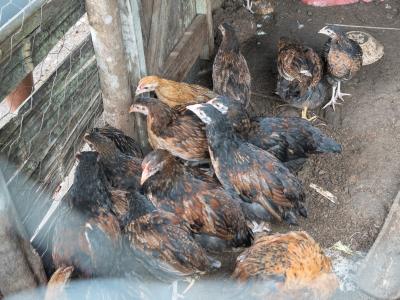
Raising chickens, raising hope: Mamalade Youth build a brighter future
A member of the Mamalade Community youth group stands outside the poultry house holding one of the chickens raised through the youth-led poultry project. Photo: World Vision Solomon Islands.
article / July 15, 2026
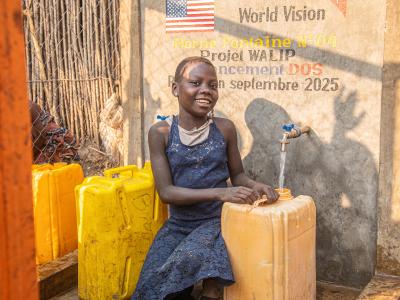
DR Congo: Clean Water and Better Hygiene Are Transforming Lives in Bambo and Kibirizi Health Zones
This human-interest article highlights how access to safe drinking water is transforming lives in the Bambo and Kibirizi Health Zones of North Kivu, eastern Democratic Republic of the Congo. It showcases the impact of a World Vision WASH project, funded by the U.S. Department of State, in improving access to clean water, promoting hygiene and sanitation practices, and reducing waterborne diseases. Through the voices of community members, children, parents, and health officials, the story illustrates tangible improvements in health, school attendance, personal hygiene, and community well-being. It also demonstrates how behavioural change, combined with sustainable water and sanitation infrastructure, is fostering healthier and more resilient communities. While celebrating the project's achievements, the article underscores the continued need to expand water and sanitation services so that every family can benefit from safe, reliable access to clean water.
article / August 4, 2026
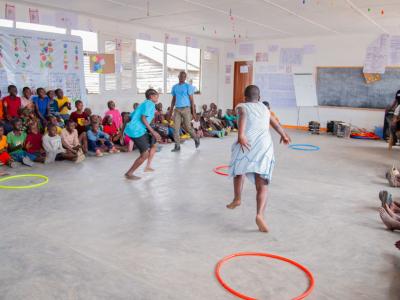
DR Congo: When a Project Ends, Protection Lives On Through the Legacy Carried by Communities in North Kivu
As the Emergency Response to WASH, Protection and Livelihood Needs of IDPs and Host Communities in North Kivu project comes to an end, its impact continues to live on through the people and communities it transformed. Through the voices of mothers, children, community volunteers, facilitators, mentors, and local leaders, this article highlights how Child-Friendly Spaces and Safe Spaces restored hope, strengthened protection systems, and empowered communities to safeguard children and survivors of gender-based violence. It demonstrates that while humanitarian projects may have a defined lifespan, the knowledge, resilience, and commitment they leave behind create a lasting legacy that continues to protect vulnerable families long after project activities have ended.
video / August 21, 2026
Fighting Cholera at the Doorstep: Community Action Saves Lives in Kolwezi
In Kolwezi, Lualaba province, the cholera outbreak is not only claiming lives in the hospital. It is also claiming lives in people’s homes, but silently.
Since December 2025, the Manika health zone has been facing a health crisis. But a genuine chain of solidarity has emerged. With support from World Vision DRC, through the NEPRF (National Emergency Preparedness and Response Fund), an internal emergency fund used to rapidly mobilise humanitarian aid during disasters, courageous community volunteers, such as Nicole, are going door-to-door to raise awareness, disinfect, distribute chlorine, and refer the sick to treatment centres.
The result? Over 7,000 people have been reached. More than 100 kg of chlorine has been distributed. Community mobilisation is our best weapon against cholera. Because saving lives starts with a simple act: informing to protect.

article / August 21, 2026
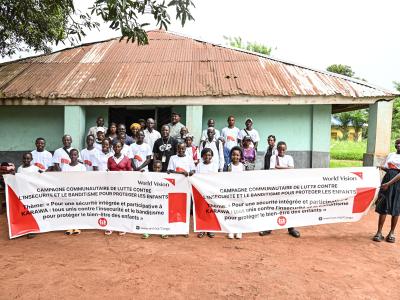
Karawa Communities Raise Their Voices for Security Through Citizen Voice and Action
This article highlights how communities in Karawa, North Ubangi, used World Vision DRC’s Citizen Voice and Action (CVA) approach to identify insecurity as a key concern and peacefully advocate for stronger protection measures. Through community mobilisation, dialogue with authorities and a formal advocacy memorandum, residents demonstrated how informed citizens can influence local governance and contribute to building safer, more resilient communities.
article / August 24, 2026
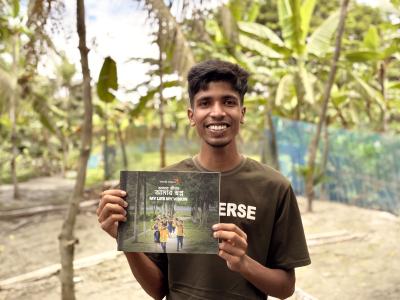
How Education Helped Durjoy Turn Hardship into Hope
Durjoy, our sponsored child from Bagerhat, overcame hardship to achieve GPA 5 in his SSC examination and pursue his dream of becoming an engineer. His story reflects how World Vision’s Sponsorship programme is helping transform the lives of thousands of children and families.
article / August 24, 2026
From Flood Recovery to Malaria Prevention in Gaza
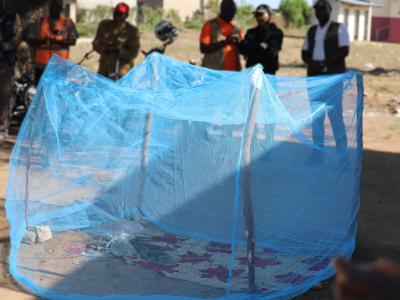
Malaria risk rises in Mozambique’s Gaza Province after floods, prompting a major mosquito-net campaign to protect vulnerable families, especially children and pregnant women.