article / August 24, 2026
Raising chickens, raising hope: Mamalade Youth build a brighter future
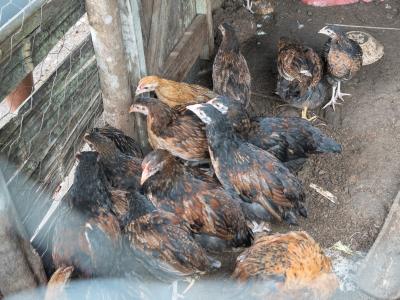
A member of the Mamalade Community youth group stands outside the poultry house holding one of the chickens raised through the youth-led poultry project. Photo: World Vision Solomon Islands.
press release / August 25, 2026
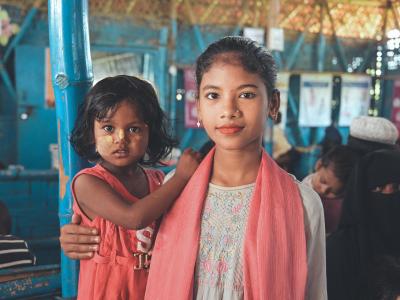
Nine Years of Struggle: Rohingya Children Caught Between Climate Disasters and Plunging Aid
Nine years into protracted displacement, escalating climate disasters and a 24% aid cut threaten 1.2 million Rohingya refugees, prompting World Vision to call for global responsibility-sharing and durable, nexus-driven solutions for children and host communities.
article / August 21, 2026
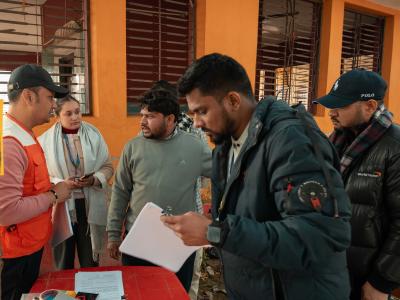
Standing with Children Through Crisis and Recovery
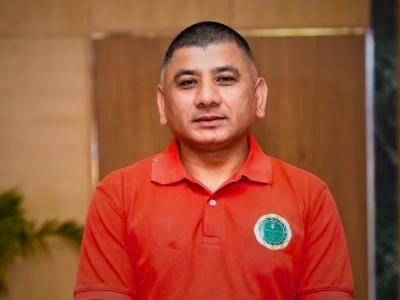
Having lived through the 2015 earthquake himself, Surendra Ratna Shakya has dedicated his career to supporting vulnerable children and families through crisis and recovery.
video / August 26, 2026
From Financial Struggles to a Thriving Farmer
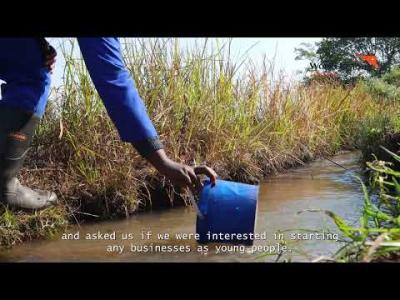
At 31, Busisiwe is building a brighter future through farming after experiencing pregnancy as a teenager. Supported by World Vision’s HIV prevention project and Youth Enterprise Revolving Fund, she is strengthening her livelihood and economic independence.
video / August 4, 2026
DR Congo: Rebuilding with Dignity: How One Mother Transformed Emergency Support into Opportunity
Rosette, a 38-year-old mother of seven in eastern Democratic Republic of the Congo, transformed emergency assistance into a sustainable livelihood after receiving a reintegration kit through a World Vision project funded by the United States Government. Her inspiring journey highlights how targeted humanitarian support can restore dignity, strengthen resilience, and help vulnerable families rebuild their lives.

article / August 21, 2026
Karawa Communities Raise Their Voices for Security Through Citizen Voice and Action
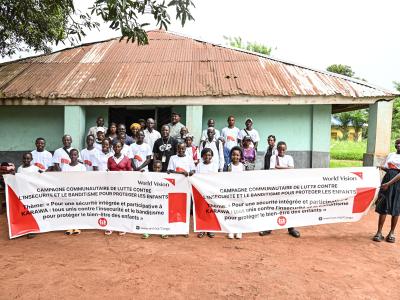
This article highlights how communities in Karawa, North Ubangi, used World Vision DRC’s Citizen Voice and Action (CVA) approach to identify insecurity as a key concern and peacefully advocate for stronger protection measures. Through community mobilisation, dialogue with authorities and a formal advocacy memorandum, residents demonstrated how informed citizens can influence local governance and contribute to building safer, more resilient communities.
article / August 24, 2026
How Education Helped Durjoy Turn Hardship into Hope
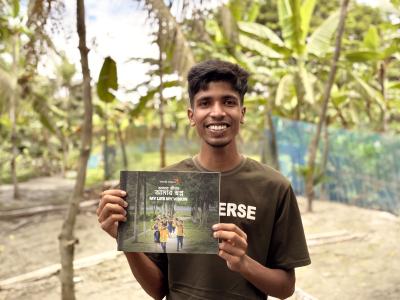
Durjoy, our sponsored child from Bagerhat, overcame hardship to achieve GPA 5 in his SSC examination and pursue his dream of becoming an engineer. His story reflects how World Vision’s Sponsorship programme is helping transform the lives of thousands of children and families.
video / August 26, 2026
Ebola in the DRC: Why This Outbreak Is So Difficult to Combat
The Ebola crisis you remember was back in 2014 in Sierra Leone, Guinea, and Liberia. But the current one in the DRC is actually growing far faster than that one did.
Ebola has faded out of the news because there's been a lot of news to tell and limited time to tell it, but also because the story is hard to put into headlines. It's wrapped in complex layers of history, traditions, and systemic failure that have combined to make everything worse.
So Chirs Montgomery has put together this video to better understand what makes Ebola so hard to combat in the Democratic Republic of Congo.