publication / June 1, 2026
Changemakers - A guide for young advocates
Part of the Changemakers Digital Package, this resource helps young advocates understand advocacy and take safe, inclusive action through activities and steps.
article / May 31, 2026
The Ripple Effect of Child Sponsorship
After losing her parents and facing hardship, Tarike found hope through child sponsorship. Today, she is a nurse supporting her family and community.

article / November 13, 2020
Equipping Mauritanian communities to create a healthy environment for children
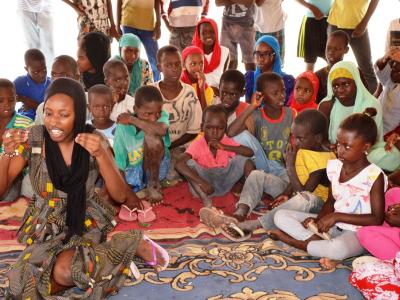
In 2016, 37-year-old Koranic teacher Sidi Mohammed met with World Vision staff visiting his neighbourhood to implement sponsorship projects, raise awareness, and identify children in need of support. It was then that Sidi discovered an important model that marked a turning point in his life – the Celebrating Families approach (CFC), whose purpose is to equip communities to create a healthy and loving environment for the well-being of children.
article / March 9, 2020
Increasing economic resilience as a pillar of work with families
Liana’s family lives in Jermuk Community in Vayots Dzor.

article / March 2, 2020
Rosalie, a better life with moringa
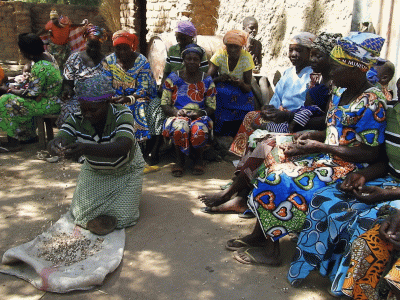
Rosalie is one of the four women participants in the training on moringa cultivation techniques organized in 2014 and financed by World Vision in Germany.
article / December 11, 2020
Safe drinking water to improve children's well-being
In several parts of Senegal, access to drinking water remains a problem. World Vision's Senegal office, in partnership with World Vision's United States office, is implementing a project called “Safe drinking water for Senegal” to contribute to access to clean water in quantity and quality in the most disadvantaged areas of Kédougou, Tambacounda, and Kolda regions.
article / May 26, 2020
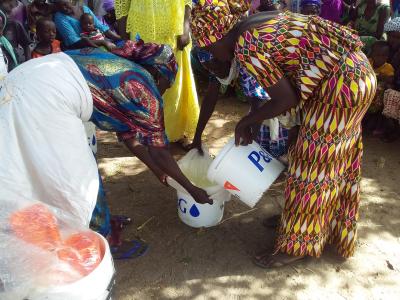
COVID-19: World Vision putting children at the centre of its response
World Vision Chad works daily for the well-being of children, and continues to support the Government of Chad in the Response against COVID-19.
press release / April 8, 2020
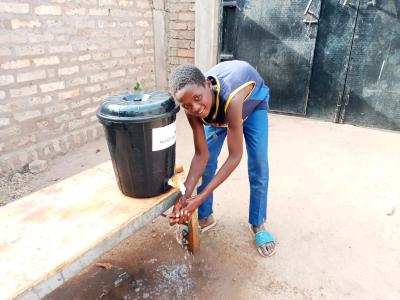
Coronavirus: 30 million children’s lives at risk from secondary effects of deadly disease
April 8, 2020 – Thirty million children are at risk of disease and death because of the secondary impacts of the COVID-19 pandemic, a new report warns.
article / May 5, 2020
World Vision warns that COVID-19 could reverse 30 years of poverty reduction progress as it launches largest response in its history
· NGO priority focus will now be COVID-19 emergency response in every country where it works
article / December 3, 2020
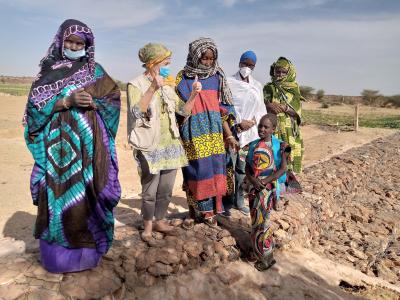
UNICEF Regional Director for West and Central Africa makes an official visit to Assaba with World Vision
The one-year Project for Strengthening the Resilience of the Communities Most Vulnerable to Malnutrition and Food Insecurity is implemented in six Mauritanian Communes of the Moughataa of Kiffa in the Wilaya of Assaba. This visit allowed Ms. Marie Pierre Poirier to exchange with project beneficiaries, as well as with administrative authorities and the technical team in charge of implementation and monitoring.