publication / September 4, 2026
Global Accountability Report 2025
Explore World Vision's 2025 Accountability Report, highlighting transparency, safeguarding, financial stewardship, resilience, and community impact.
publication / August 20, 2026
WV Sri Lanka Impact Report 2025
Explore World Vision Sri Lanka’s 2025 Impact Report and discover the stories, progress and impact created alongside children, families and communities across Sri Lanka.
press release / September 3, 2026
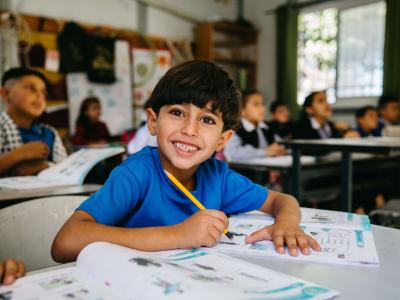
New EU-Funded Project to Restore Safe, Inclusive Education for Over 22,000 Conflict-Affected Children in the West Bank
World Vision, in partnership with the Teacher Creativity Center (TCC) and the Palestinian Ministry of Education, today announced the launch of a new EU-funded two-year project to safeguard access to safe, inclusive and dignified education for the most vulnerable conflict-affected children across the West Bank.
publication / September 3, 2026
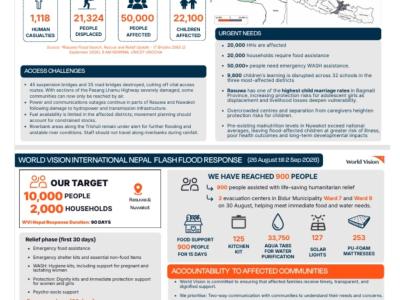
Situation Report 1: World Vision International Nepal | Nepal Flash Floods Response 2026
As of 2 September 2026, World Vision International Nepal's Flash Flood Response Situation Report 1 provides an overview of the humanitarian impact of the devastating floods affecting Rasuwa, Nuwakot, Dhading, and surrounding districts. With 50,000 people affected and more than 21,000 displaced, the report highlights urgent needs in food security, shelter, WASH, child protection, and education. It outlines World Vision's 90-day emergency response targeting 10,000 people across 2,000 households and reports that 900 people have been reached with life-saving assistance, including food support, kitchen kits, shelter kits and essential non-food items, water purification supplies, solar lights, hygiene kits, dignity kits for women and girls, and psychosocial support.
article / September 4, 2026
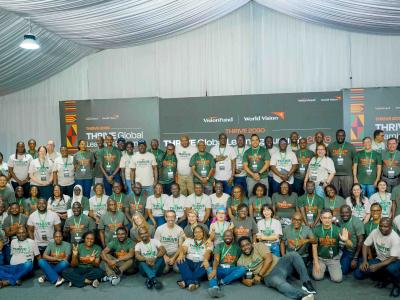
Up the Economic Empowerment Ladder: Ghana Hosts Eleven+ Nations for the THRIVE Global Learning Summit 2026
For five days, from 24–28 August 2026, the Labadi Beach Hotel in Accra hosted the THRIVE Global Learning Forum 2026, bringing together nearly 130 participants from all eleven THRIVE implementing countries, alongside representatives from World Vision International, VisionFund International, World Vision US and donors, under the theme “Up the Economic Empowerment Ladder.”
publication / September 6, 2026
Situation Report 3: Nepal Flash Floods 2026
Situation Report 3: Nepal Flash Floods 2026
article / September 4, 2026
From Shyness to Leadership: Nagham and IMPACT+ Girls’ Southern Hebron Community Bazaar
Discover how Nagham and 23 IMPACT+ girls led Souq Al-Khair in southern Hebron, building their confidence while supporting local businesses.

publication / September 4, 2026
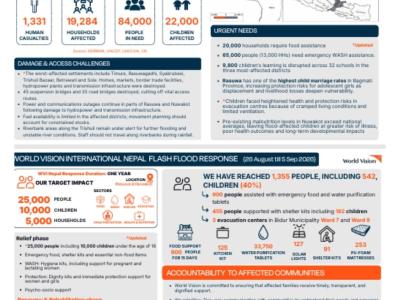
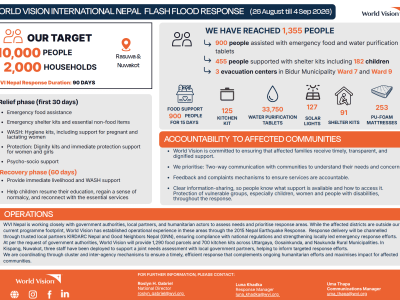
Situation Report 2: Nepal Flash Floods Response 2026
World Vision Reaches 1,355 People Following Nepal Flash Floods
press release / September 2, 2026
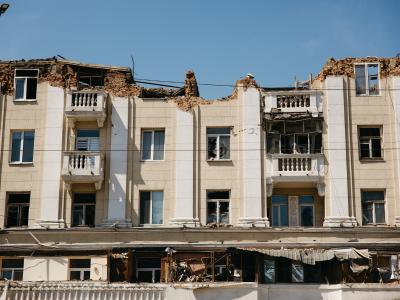
Two in Three Ukrainian Children Missing School Say Shelling Is the Reason
Two in three Ukrainian children miss school because of shelling or fighting, according to a needs assessment by World Vision.
article / September 7, 2026
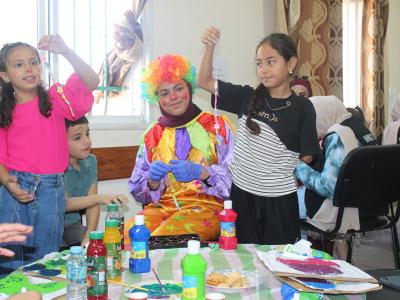
More Than Paper: A Space Where Every Child Belongs
Nine-year-old Watan joins an inclusive IMPACT+ art initiative, transforming discarded paper into creativity, confidence and a sense of belonging.