article / August 27, 2026
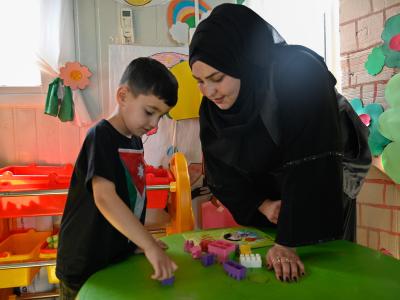
Early Childhood Education Transforms a Mother and Son’s Lives
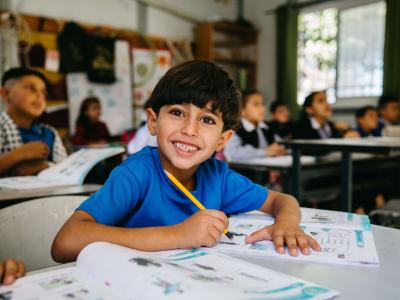
World Vision Syria Response’s inclusive education project in Sahab is helping children like Talal and Aya overcome learning barriers, build confidence, and participate fully alongside their classmates. Across 11 schools and kindergartens in Jordan, the project is creating supportive learning environments where every child has the opportunity to learn, belong, and thrive.
publication / August 26, 2026
POLICY BRIEF: Debt for What?
This policy brief on public debt utilisation in Kenya and Zambia, examining how borrowed resources translate into development outcomes
article / August 31, 2026
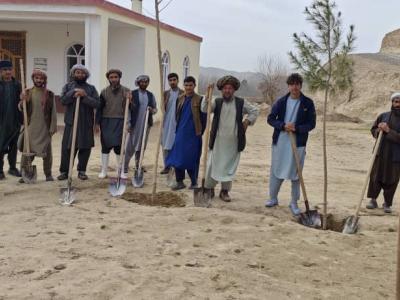
Empowered to Respond: A Community Building Its Own Resilience
In Faryab, a community-based disaster management group is responding to floods, fires and other risks, protecting lives, livelihoods and building resilience.
article / August 27, 2026
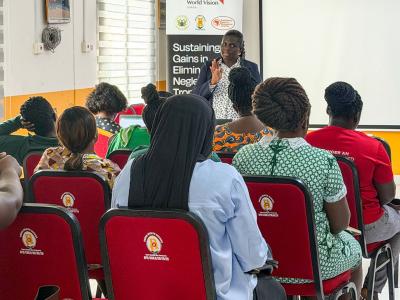
World Vision Ghana Trains over 270 Health Workers to Strengthen Community-Based Surveillance and Care for Neglected Tropical Diseases
World Vision Ghana, in partnership with the National NTD Programme, is strengthening community-based surveillance and care for neglected tropical diseases through the training of frontline health workers, improving early detection, referrals, NHIS enrolment and access to essential healthcare services.
article / August 21, 2026
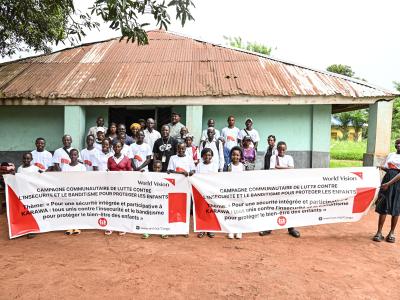
Karawa Communities Raise Their Voices for Security Through Citizen Voice and Action
This article highlights how communities in Karawa, North Ubangi, used World Vision DRC’s Citizen Voice and Action (CVA) approach to identify insecurity as a key concern and peacefully advocate for stronger protection measures. Through community mobilisation, dialogue with authorities and a formal advocacy memorandum, residents demonstrated how informed citizens can influence local governance and contribute to building safer, more resilient communities.
press release / September 3, 2026
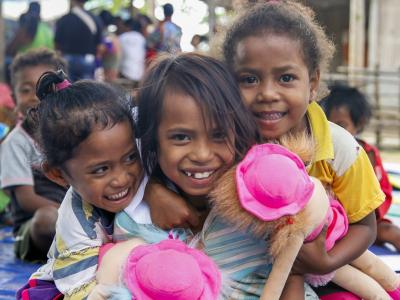
New EU-Funded Project to Restore Safe, Inclusive Education for Over 22,000 Conflict-Affected Children in the West Bank
World Vision, in partnership with the Teacher Creativity Center (TCC) and the Palestinian Ministry of Education, today announced the launch of a new EU-funded two-year project to safeguard access to safe, inclusive and dignified education for the most vulnerable conflict-affected children across the West Bank.
publication / July 29, 2026
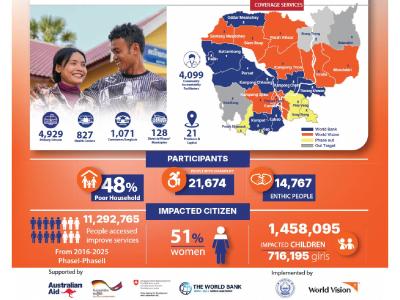
Factsheet | Engaging Citizens to Improve Service Delivery Through Social Accountability
Factsheet 2025 Engaging Citizens to Improve Service Delivery Through Social Accountability Project
article / August 21, 2026
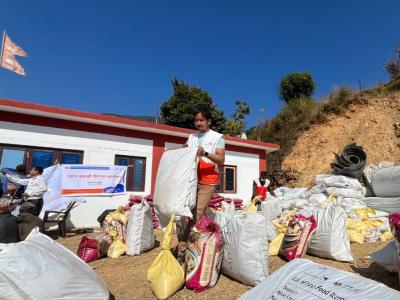
At the Frontline of Crisis and Recovery
From earthquakes to landslides, Nanda Budha reflects on leading humanitarian responses and standing with communities in crisis.