
article / July 23, 2026
World Vision Youth Advocate Calls for Greater Investment in Africa’s Future at AU Summit
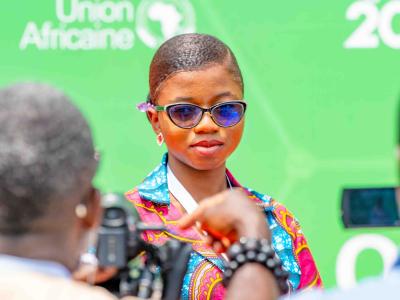
World Vision Youth Advocate Emmanuella called for greater investment in children and youth participation during the African Union Extraordinary Health Summit in Accra.
article / July 21, 2026
World Vision Advocates for Stronger Health Systems and Child-Centred Health Investments at AU Health Summit
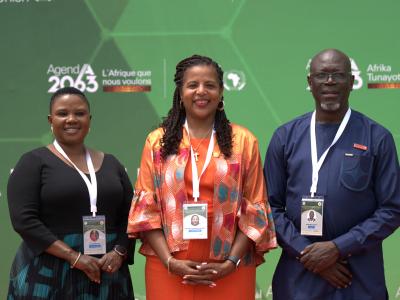
World Vision participated in the African Union Extraordinary Health Summit, advocating for stronger health systems, nutrition, maternal health, youth participation, and universal health coverage across Africa.
publication / August 13, 2026
Urban WASH guidance
A practical guide for designing, strengthening, and evaluating urban WASH programmes through systems-focused, partnership-driven approaches.
publication / July 13, 2026
From Rations to Resilience: Helping Refugee Children Thrive in Burundi
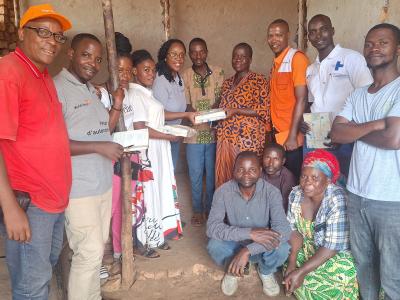
As humanitarian funding declines and needs rise in Burundi's Musenyi refugee site, World Vision is helping refugee families build resilience through livelihood cooperatives that improve food security, income, and opportunities for children. These child-focused, community-led solutions are enabling families to move beyond survival, strengthening children's well-being, education, and hope for a more secure future.
publication / June 29, 2026
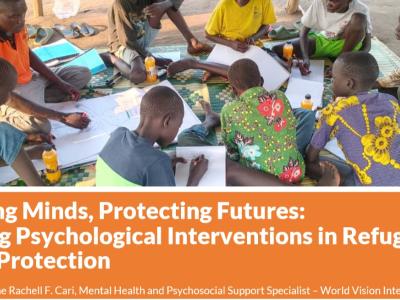
Scaling Psychological Interventions in Refugee Child Protection - Oral Presentation
This oral presentation was presented at the Bold Ideas for Brighter Futures Conference on child and adolescent mental health held in Cape Town, South Africa in May 2026.
article / August 18, 2026
Building Hope on the Border: Cholera Case Management Training Saves Lives in Renk
In Renk County, upper Nile State, a major entry point for thousands of refugees and returnees fleeing the Sudan crisis, cholera remains a major public health threat, particularly during the rainy season. A single case of cholera can quickly turn into a deadly outbreak under conditions created by overcrowded transit centres, poor sanitation, limited access to safe water and recurrent flooding.

article / June 29, 2026
A refugee mother’s journey from dependence to self-reliance
Alice, a refugee and single mother of four living in Nyabiheke Refugee Camp, initially depended on monthly cash assistance to survive but struggled with ongoing financial insecurity. Seeking a better future, she took a bold step into small-scale trading after repeatedly requesting an advance on her cash transfer, eventually starting with RWF 8,000 to sell basic food items. Her efforts grew stronger after joining World Vision’s Dukore Twigire program, where she received training in business skills, savings, and mindset change, helping her build confidence and financial discipline. Through saving, accessing a small loan, and reinvesting support capital, she expanded her business from a roadside stall to a full shop selling diverse household goods. Her monthly profit grew from about RWF 5,000 to at least RWF 50,000, enabling her to better support her family and shift from survival to long-term planning and self-reliance.

article / June 10, 2026
Ownership that lasts: Refugees in Pagirinya settlement take the lead in creating sustainable impact.
In Pagirinya Refugee Settlement, refugees are shifting from passive recipients of aid to active leaders of community development.
article / July 1, 2026
From Survival to Self-Reliance: Meheba's Refugee Entrepreneurs Build Lasting Businesses
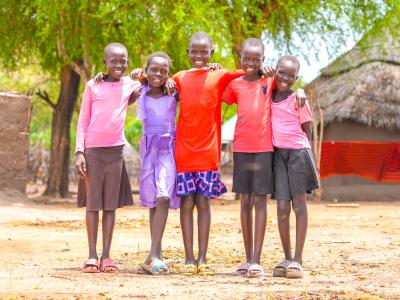
A lesson on savings and financial management has grown into a thriving cooperative changing lives in Meheba Refugee Settlement.
Refugee families in Meheba faced daily survival with no structured savings, financial planning, or path to sustainable income. Many sold goods informally, with no permanent trading space and no access to affordable credit.

article / June 24, 2026
Climate Action Must Leave No One Behind in Uganda’s Refugee-Hosting Districts
Uganda marked World Environment Day 2026 under the theme “Climate Action Begins with You: Act Now.” While global discussions often center on emissions and international commitments, in Uganda’s refugee-hosting districts climate change is already a lived reality.
