publication / September 2, 2026
Context and Conflict Analysis: Sustainable and Resilient Future Ninewa Project
Explore World Vision’s Context and Conflict Analysis for Ninewa, Iraq, examining conflict dynamics, livelihoods, climate pressures, inclusion, and opportunities to strengthen resilience and social cohesion.
article / August 31, 2026
Empowered to Respond: A Community Building Its Own Resilience
In Faryab, a community-based disaster management group is responding to floods, fires and other risks, protecting lives, livelihoods and building resilience.
article / August 24, 2026
“I Dont Want My Children to Die of Hunger”: One Family's Fight Against a Famine Somalia Has Seen Before
As funding dwindles, needs are outpacing resources in Somalia. Some locations are already showing famine conditions as humanitarian organisations scale down or close operations.
article / August 27, 2026
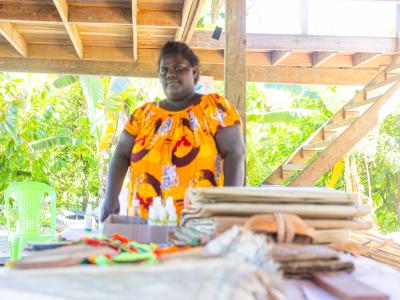
From Women's Empowerment to Community Resilience
Through the EU-supported Women’s Economic Empowerment Sapotim Strongpela Meri Project, implemented by World Vision PNG, Amalanie Mimisi has grown her small business, increased household income, and created economic opportunities for women and elderly community members in Central Bougainville
article / August 23, 2026
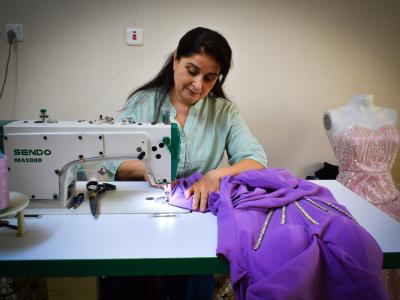
"What If I Ruin It?”: From one pair of trousers to a livelihood of her own
Sahira turned her sewing skills into a growing livelihood, gaining confidence, income and new opportunities to support her family.
publication / September 4, 2026
Global Accountability Report 2025
Explore World Vision's 2025 Accountability Report, highlighting transparency, safeguarding, financial stewardship, resilience, and community impact.
publication / June 25, 2026
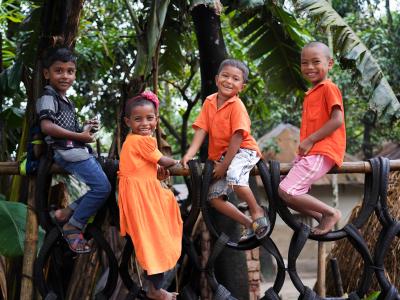
ENOUGH 2025: Driving Progress to End Child Hunger and Malnutrition
ENOUGH 2025, presents key developments in policy, programmes and partnerships three years into the campaign
article / September 4, 2026
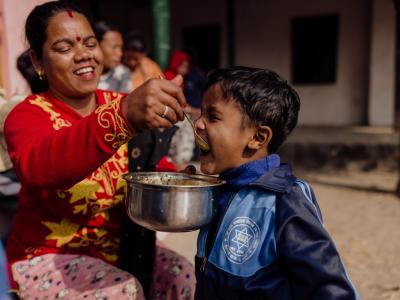
From Struggle to a Brighter Future: Chikwenda’s Journey to Dignity and Hope
For years, the Chikwenda family worked to make ends meet. Despite long hours on their farm, poor yields left little food to sustain the household throughout the year.
Mr Boniface Chikwenda recalls a season when farming brought small returns.
article / August 26, 2026
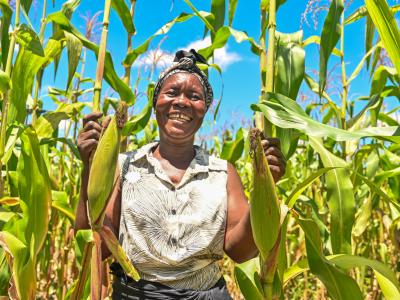
Turning floods into opportunities: Smart farming is changing lives
World Vision’s Water for Climate Resilience and Empowerment of Society (WACRESS) Project is supporting farmers to adopt climate-smart farming methods which are enhancing their production, diversifying livelihoods and strengthening food security for their families.