press release / August 25, 2026
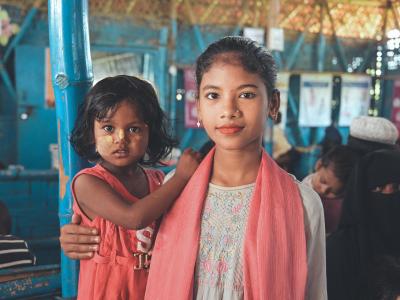
Nine Years of Struggle: Rohingya Children Caught Between Climate Disasters and Plunging Aid
Nine years into protracted displacement, escalating climate disasters and a 24% aid cut threaten 1.2 million Rohingya refugees, prompting World Vision to call for global responsibility-sharing and durable, nexus-driven solutions for children and host communities.
article / August 27, 2026
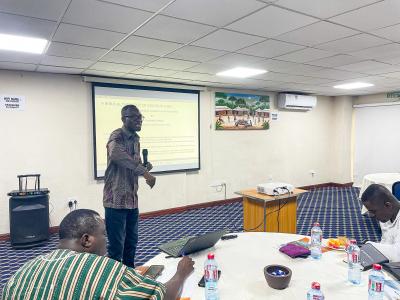
World Vision Ghana Advances Child-Centred Creation Care Through National Consultative Workshop
World Vision Ghana convened a three-day consultative workshop in Accra, bringing together faith leaders, theological institutions and development practitioners to strengthen child-centred Creation Care and advance environmental stewardship and climate action through churches.
publication / August 28, 2026
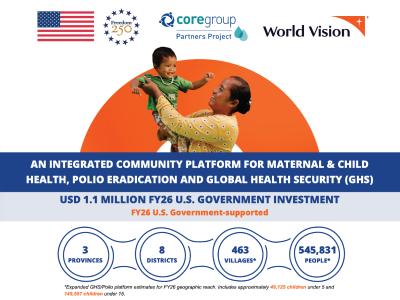
CORE Group Partners Project (CGPP) An Integrated Community Platform for Maternal & Child Health, Polio Eradication and Global Health Security (GHS)
CORE Group Partners Project (CGPP) An Integrated Community Platform for Maternal & Child Health, Polio Eradication and Global Health Security (GHS)
article / August 20, 2026
In Nyiragongo and Masisi, 8,000 households regain prospects thanks to the Emergency Response project
This article highlights how World Vision’s Emergency Response project in Nyiragongo and Masisi is helping 8,000 crisis-affected households rebuild their livelihoods and regain hope. Through vocational training, income-generating activities and livelihood kits, women and families have gained practical skills, increased their self-reliance and strengthened their ability to meet their children’s basic needs. Their stories demonstrate how economic empowerment can restore dignity, resilience and confidence among displaced and vulnerable communities.
article / August 4, 2026
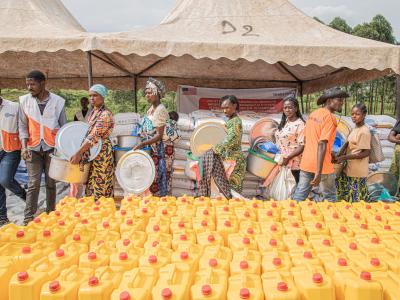
DR Congo: When a Project Ends, Protection Lives On Through the Legacy Carried by Communities in North Kivu
As the Emergency Response to WASH, Protection and Livelihood Needs of IDPs and Host Communities in North Kivu project comes to an end, its impact continues to live on through the people and communities it transformed. Through the voices of mothers, children, community volunteers, facilitators, mentors, and local leaders, this article highlights how Child-Friendly Spaces and Safe Spaces restored hope, strengthened protection systems, and empowered communities to safeguard children and survivors of gender-based violence. It demonstrates that while humanitarian projects may have a defined lifespan, the knowledge, resilience, and commitment they leave behind create a lasting legacy that continues to protect vulnerable families long after project activities have ended.
article / August 27, 2026
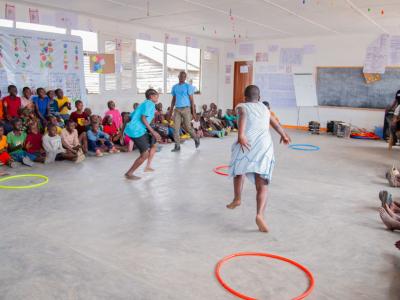
World Vision Ghana Calls for Enhanced Border Preparedness as Humanitarian Pressures Rise in West Africa
World Vision Ghana is urging stronger border surveillance and humanitarian preparedness as insecurity and climate shocks in Burkina Faso increase displacement pressures across West Africa, threatening vulnerable communities along Ghana's northern frontier.

article / August 24, 2026
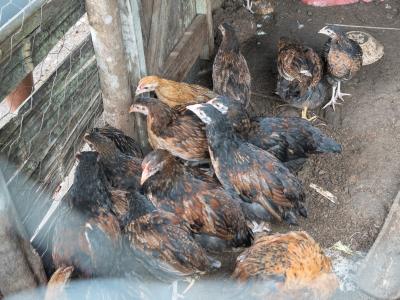
Raising chickens, raising hope: Mamalade Youth build a brighter future
A member of the Mamalade Community youth group stands outside the poultry house holding one of the chickens raised through the youth-led poultry project. Photo: World Vision Solomon Islands.
article / August 24, 2026
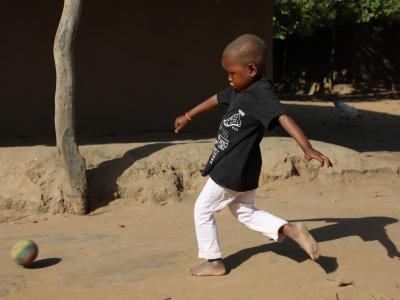
Trangelito Kicks His Way Back to Health
After battling severe acute malnutrition and malaria, five-year-old Trangelito regained his strength with timely medical care and continued support from community volunteers in Monapo.