press release / August 25, 2026
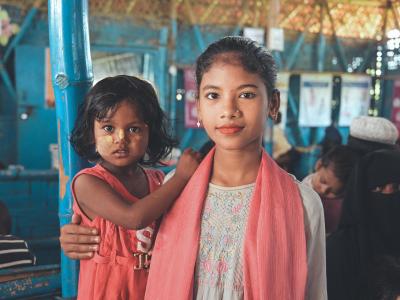
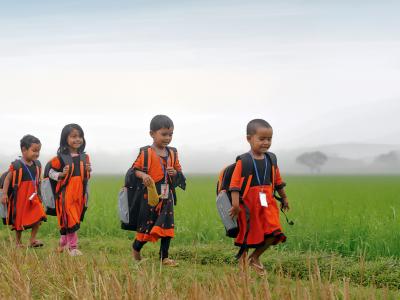
Nine Years of Struggle: Rohingya Children Caught Between Climate Disasters and Plunging Aid
Nine years into protracted displacement, escalating climate disasters and a 24% aid cut threaten 1.2 million Rohingya refugees, prompting World Vision to call for global responsibility-sharing and durable, nexus-driven solutions for children and host communities.
landing page / August 18, 2026
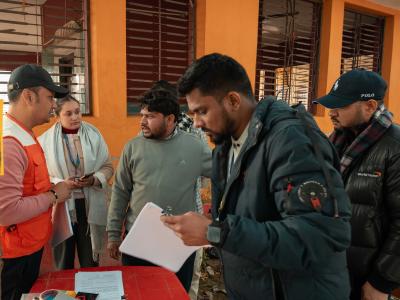
United Nations Office for the Coordination of Humanitarian Affairs (UNOCHA)
publication / August 26, 2026
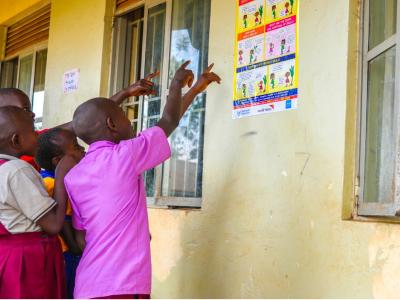
POLICY BRIEF: Debt for What?
This policy brief on public debt utilisation in Kenya and Zambia, examining how borrowed resources translate into development outcomes
publication / July 29, 2026
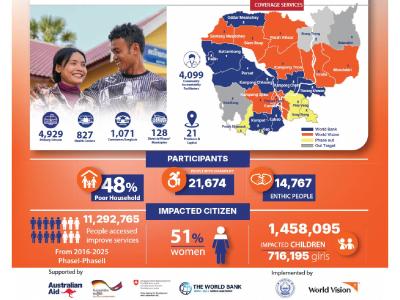
Factsheet | Engaging Citizens to Improve Service Delivery Through Social Accountability
Factsheet 2025 Engaging Citizens to Improve Service Delivery Through Social Accountability Project
video / August 21, 2026
Fighting Cholera at the Doorstep: Community Action Saves Lives in Kolwezi
In Kolwezi, Lualaba province, the cholera outbreak is not only claiming lives in the hospital. It is also claiming lives in people’s homes, but silently.
Since December 2025, the Manika health zone has been facing a health crisis. But a genuine chain of solidarity has emerged. With support from World Vision DRC, through the NEPRF (National Emergency Preparedness and Response Fund), an internal emergency fund used to rapidly mobilise humanitarian aid during disasters, courageous community volunteers, such as Nicole, are going door-to-door to raise awareness, disinfect, distribute chlorine, and refer the sick to treatment centres.
The result? Over 7,000 people have been reached. More than 100 kg of chlorine has been distributed. Community mobilisation is our best weapon against cholera. Because saving lives starts with a simple act: informing to protect.

article / August 24, 2026
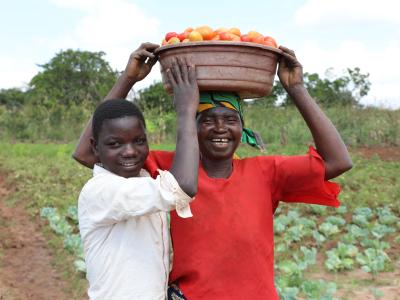
A Harvest That Put a Child Back in School
In Monapo, Mozambique, improved farming incomes through World Vision are helping children like 14-year-old Evanildo return to school and pursue their dreams.
article / August 6, 2026
Second Operating Room at the Dosso Mother-and-Child Center: A Life-Saving Donation
On Nigerien National Women's Day, the women staff of World Vision Niger donated essential medical equipment to the Dosso Mother and Child Health Center, enabling the facility to fully operate a second operating theatre. Before the donation, the center had only one functional theatre, making it difficult to meet the growing demand for emergency obstetric and gynecological surgeries. According to Dr. Bacharou Adamou Mamane Sani, the lack of equipment and partners often delayed life-saving interventions. The donated equipment including an operating table, surgical lights, cesarean and gynecological surgical kits, warming lamps, and an oxygen concentrator has transformed surgical services. With two operational theatres, the center can now treat more than 15 patients daily, significantly reducing waiting times and improving emergency care. The new equipment has also enhanced working conditions for healthcare staff and contributed to reducing maternal and newborn mortality. Dr. Bacharou expressed his gratitude to World Vision Niger, emphasizing that this timely support has strengthened healthcare services and brought lasting benefits to women, newborns, and the wider Dosso community.
article / August 21, 2026
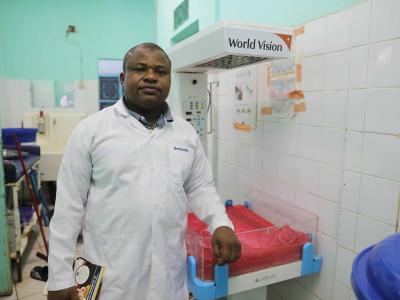
At the Frontline of Crisis and Recovery
From earthquakes to landslides, Nanda Budha reflects on leading humanitarian responses and standing with communities in crisis.