publication / August 14, 2026
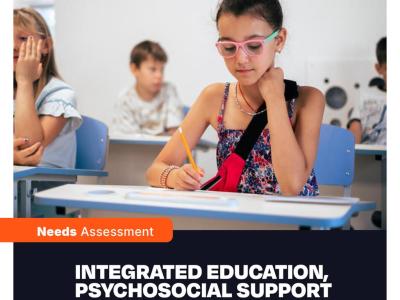
Needs Assessment: Integrated Education, Psychosocial Support and Child Protection for Children in Ukraine
World Vision’s needs assessment examines Education in Emergencies across 5 Ukrainian oblasts, focusing on safe access, learning, and child protection amid conflict.
video / August 14, 2026
Behind Every Intervention, Someone Keeps the Systems Running
Help reaches families fast because someone works behind the scenes.

article / August 8, 2026
When aid cannot reach Sudan’s children, hope has to travel the hardest road
A firsthand account from Sudan reveals the dangers children and aid workers face, and why protection, access and funding are urgently needed.
press release / July 30, 2026
Nearly 24,000 Palestinian Children, Teachers and Caregivers Reclaim Safe Learning in the West Bank
The project restored safe access to education and psychosocial support for nearly 24,000 children, teachers and caregivers in the West Bank.
article / August 15, 2026
URGENT: Indonesia M7.7 Earthquake -- Children and Communities Need Life-Saving Help Now
Support children and communities impacted by the Flores earthquake. Donate now to deliver urgent shelter kits and emergency relief with Wahana Visi Indonesia.
article / August 8, 2026
In Haiti, Hope Is Built One Bench, One Birth Certificate, One Child at a Time
This World Humanitarian Day, discover how local leaders and humanitarian workers in Haiti restore dignity, hope and opportunity for children.

article / July 31, 2026
Securing Safe Water in the Wake of Devastating Floods in Guijá, Mozambique
Thousands of families in Guijá lost access to safe drinking water after severe floods damaged critical infrastructure. New generators are now helping restore water services and build resilience for future emergencies.

publication / July 6, 2026
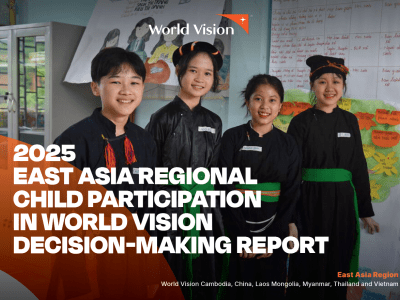
2025 East Asia Regional Child Participation in WV Decision-Making Report
The 2025 Regional East Asia Child Participation Report details the impact of engaging boys and girls in decision-making at local and national levels.
publication / August 3, 2026
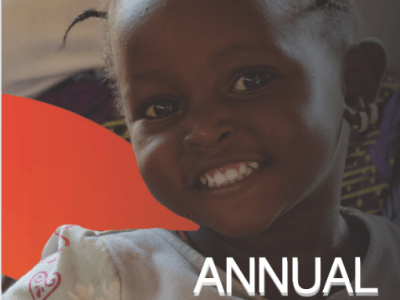
Discover World Vision Sierra Leone's 2025 Annual Report
Find out how our work helped improve the well-being of children in Sierra Leone during our 2025 financial year.
article / August 3, 2026
From Floodwaters to Hope: Gwaimaoa Community's Journey to Safe Water and Resilience
Discover how Gwaimaoa Community transformed from flood and water insecurity to resilience through safe water access, disaster preparedness, and community action.