
publication / June 8, 2026
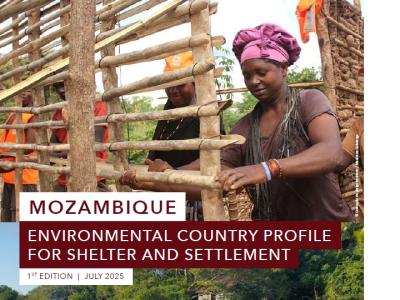
Mozambique - Environmental Country Profile For Shelter And Settlement
The purpose of this Environmental Country Profile is to inform the Mozambique Shelter Cluster
and to improve the capacity and quality of the humanitarian response in shelter and
settlements.
press release / June 8, 2026
G7 Principles Mark Step Forward for Children’s Safety Online
World Vision welcomes the G7 Common Set of Principles for a safer and more secure digital space for children and adolescents.
article / June 4, 2026
Youth Leadership: Building Peace and Gender Justice Across Asia and the Pacific
World Vision joins global partners at CSW70 to launch calls to action on youth-led advocacy, faith leader engagement, and holistic development.

press release / June 5, 2026
New Displacement Across Lebanon Deepens Humanitarian Needs for Children and Families
World Vision Lebanon calls for urgent support as more than 1.3 million people are displaced across Lebanon. Children face growing risks amid repeated displacement, overcrowding, and limited access to essential services.
press release / June 5, 2026
World Vision Launches "I'm Wearing the 10 for Children," a Regional Mobilisation for Child Protection
World Vision launches “I’m Wearing the 10 for Children,” a regional campaign mobilising action to protect children across Latin America.
publication / May 25, 2026
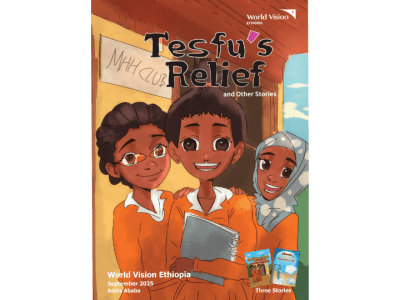
Tesfu’s Relief and Other Stories
Download World Vision Ethiopia’s menstrual health and hygiene awareness comic book, designed to spark safe, informed conversations in communities.
article / June 5, 2026
Innovation with Integrity: Advancing AI While Protecting Trust Across World Vision SAP
Haidy Wijaya Sung outlines how World Vision SAP balances digital transformation and AI innovation with data protection, integrity, and trust.

article / June 4, 2026
Empowering Faith and Community: Building Pathways to Peace for Children in South Asia
World Vision highlights Sri Lanka's faith-based family reconciliation models and regional interfaith partnerships for child well-being at the RFHD Conference.

article / June 4, 2026
Advancing Sexual and Reproductive Health and Rights across Asia and the Pacific
World Vision partners and experts unite to advance Sexual and Reproductive Health and Rights (SRHR) across communities in Bangladesh, Cambodia, Laos, Nepal, and Timor-Leste.
article / May 11, 2026
ESG’s Strategic Edge: Human-Centred Investment as a Business Imperative
Winnie Khor, Resource Development Senior Regional Advisor, World Vision East Asia, was recently invited to speak at the Global CSR and ESG Summit in Bangkok. In her session, she highlighted a growing gap in ESG conversations: while measurement, reporting and Digital/AI continue to advance, the role of human-centric design in achieving real-world impact is often underexplored. This article shares her reflections and how investing in stronger communities can contribute towards more resilient business outcomes.
