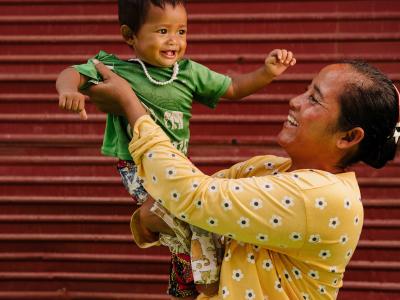
publication / July 14, 2026
Myanmar Earthquake | Situation Update | Edition 17
World Vision is deeply concerned for the well-being of children and their families affected by the earthquake: Children are among the most affected, facing increased risks, loss of learning, and urgent protection needs. World Vision is providing life-saving relief assistance to the children and the families affected by the earthquake. We aim to support 500,000 people, including 85,057 boys and 86,902 girls, through both immediate relief and long-term recovery efforts.
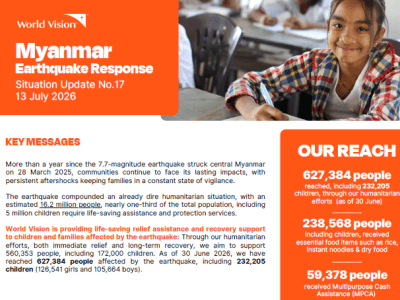
publication / July 15, 2026
World Vision Situation Report #25: Displacement Crisis as a Result of the Cambodia –Thailand Border Conflict (Updated on 8 July 2026
World Vision Cambodia, Situation Report #35, Displacement Crisis as a Result of Cambodia-Thailand Border Conflict
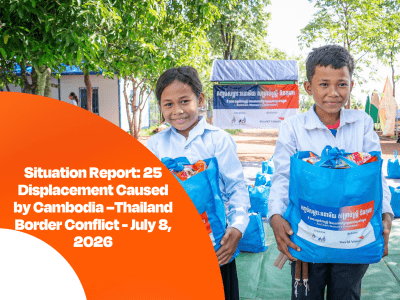
publication / July 21, 2026
ReactsIn Newsletter Issue 2 Sept 2025
Explore the September 2025 ReactsIn newsletter featuring nutrition, gender equality, adaptive learning, and programme updates across five countries.
press release / July 21, 2026
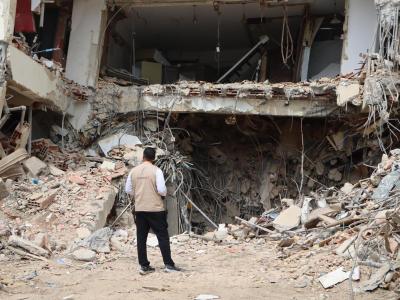
Trauma, the Other Earthquake: World Vision Urges to Protect the Mental Health of Venezuela’s Children
One month after Venezuela’s earthquakes, World Vision urges action to protect children’s mental health, education, and safety amid recovery efforts.
publication / July 21, 2026
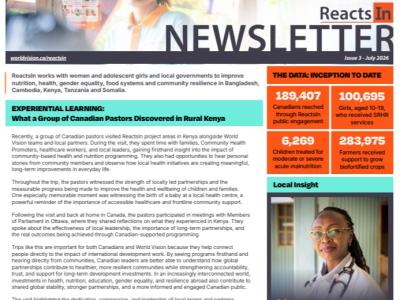
ReactsIn Newsletter Issue 3 July 2026
Discover the latest ReactsIn newsletter featuring community health, nutrition, gender equality, and resilience across five countries.
publication / July 21, 2026
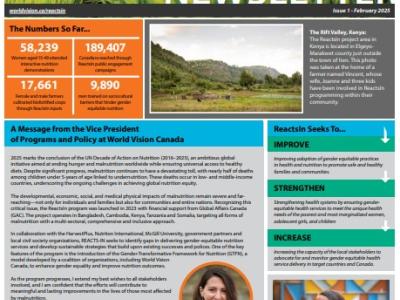
ReactsIn Newsletter Issue 1 Feb 2025
Explore the February 2025 ReactsIn newsletter featuring nutrition results, gender-equitable programming, Kenya field visits, and project expansion.
press release / July 1, 2026
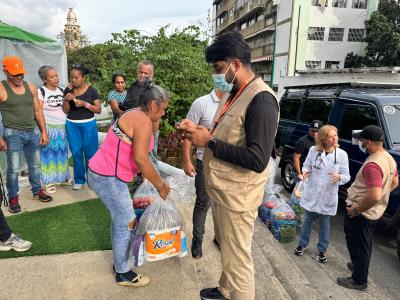
More than 520 Families Supported as Assistance Continues for Children Affected by the Earthquakes
As rescue efforts continue is some areas, World Vision is moving it's focus to supporting the needs of survivors of back-to-back earthquakes in Venezuela through food and hygiene kits and safe places for children to play.
press release / July 20, 2026
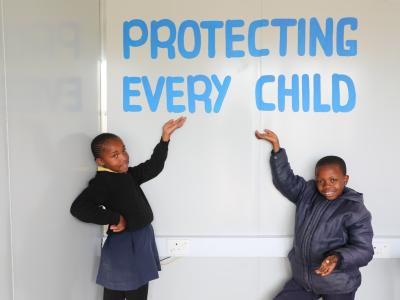
World Vision Lesotho Hands Over Child-Friendly Child and Gender Protection Unit Office to Strengthen Child Protection Services
World Vision Lesotho officially hands over a Child-Friendly Child and Gender Protection Unit (CGPU) Office in Morija to the Lesotho Mounted Police Service, strengthening child protection services and providing a safe, child-friendly environment for vulnerable children.
press release / July 20, 2026
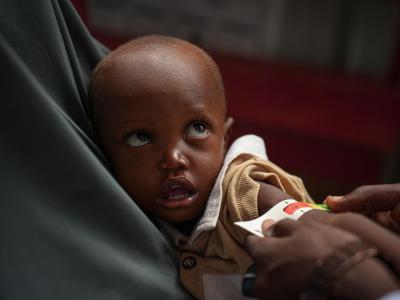
Fifteen Years On: Somalia Cannot Afford Another Famine
Fifteen years after famine was declared in Somalia in 2011, a crisis that claimed hundreds of thousands of lives, World Vision is warning that the country stands on the edge of another severe hunger emergency. Persistent drought, compounded by a sharp decline in humanitarian funding, threatens to unravel years of progress made in strengthening food security and community resilience across the country.
article / July 13, 2026
CORE Group Partners Project Launches Integrated Initiative to Improve Maternal and Child Health, Advance Polio Eradication, and Strengthen Disease Surveillance in Cambodia’s Border Communities
World Vision Cambodia launches the CORE Group Partners Project to improve maternal and child health, advance polio eradication, and strengthen disease surveillance in border communities.