article / July 1, 2026
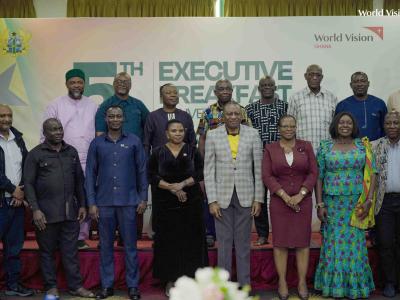
World Vision Ghana leads national sanitation dialogue as government makes sanitation a key performance measure for local government leaders
World Vision Ghana convened national stakeholders to advance sanitation in Ghana, as government makes sanitation a key performance measure for local government leaders.
publication / August 13, 2026
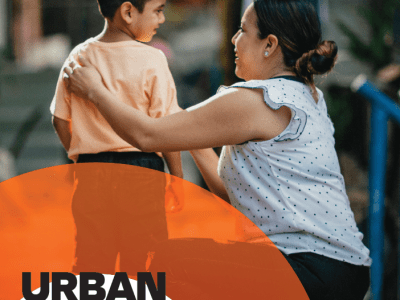
Urban WASH guidance
A practical guide for designing, strengthening, and evaluating urban WASH programmes through systems-focused, partnership-driven approaches.
publication / August 14, 2026
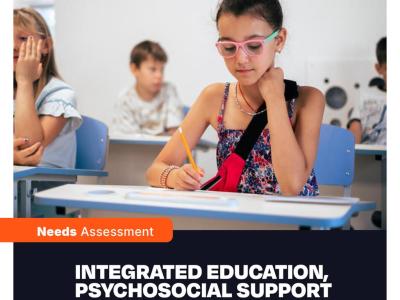
Needs Assessment: Integrated Education, Psychosocial Support and Child Protection for Children in Ukraine
World Vision’s needs assessment examines Education in Emergencies across 5 Ukrainian oblasts, focusing on safe access, learning, and child protection amid conflict.
press release / August 12, 2026
World Vision Malawi Statement on the Global Fund OIG Audit
World Vision Malawi acknowledges the Global Fund OIG audit findings on a US$33 million malaria grant, identified non-compliant expenditure of US$125,901, recovered affected funds, dismissed implicated staff, strengthened controls, and remains committed to transparency, accountability, and effective stewardship of donor resources.
article / August 10, 2026
Forging a Stronger Partnership for Children and Communities in Sierra Leone
World Vision and the Government of Sierra Leone sign a historic Host Country Agreement, strengthening nearly 30 years of partnership for vulnerable children and communities.

article / July 29, 2026
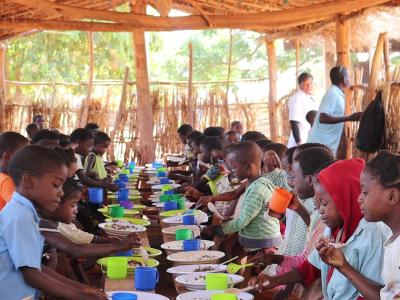
ENOUGH CAMPAIGN: Mozambique Approves National School Feeding Strategy
Council of Ministers approves the National School Feeding Strategy, strengthening the country´s environment that supports children's learning and combat to malnutrition.
press release / July 31, 2026
EU Flower Power project strengthens floriculture in Morobe
World Vision PNG and the Morobe Floriculture Association Inc have signed a partnership agreement under the EU-funded Flower Power Project, advancing floriculture development across six communities in Lae and Huon Gulf.

press release / July 31, 2026
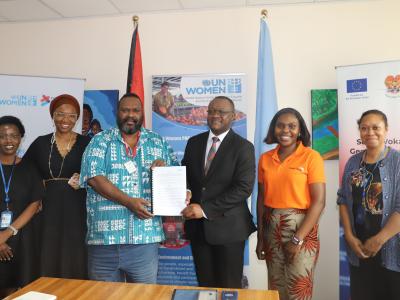
World Vision and UN Women join efforts to strengthen GBV prevention in NCD
World Vision PNG has partnered with UN Women to advance community-led gender-based violence prevention and referral pathways in the National Capital District.
press release / August 4, 2026
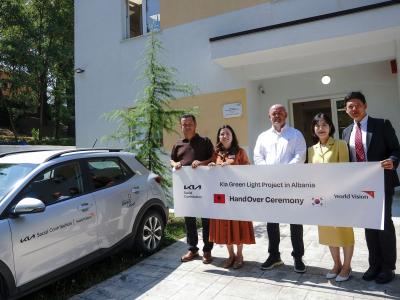
Kia’s First Green Light Project in Europe Builds Sustainable Support for Children with Disabilities in Albania
World Vision Albania partners with Kia and World Vision Korea to deliver the first Green Light Project in Europe, improving specialised support for children with disabilities in Albania.
article / August 10, 2026
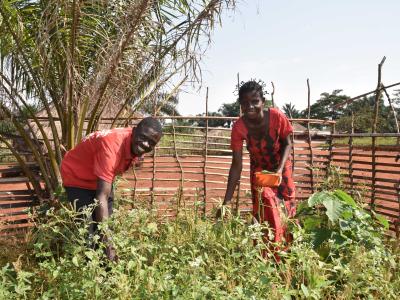
DR Congo: Growing Health: How William Is Cultivating a Healthier Future for His Children
William, a father of eight from Ntompo in Kasaï Central, is challenging traditional gender roles around childcare and nutrition. Through a KOICA-funded project implemented by World Vision in partnership with WFP, he learned about positive masculinity and the importance of shared responsibility for family well-being. Today, William works alongside his wife in their family garden, helps make decisions about their children’s meals and supports their health and nutrition. His story shows how engaging men can strengthen families, improve children’s diets and inspire lasting behavioural change within communities.