publication / May 14, 2026
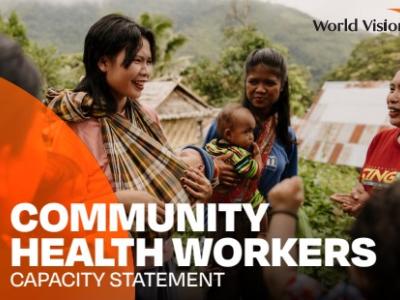
Community Health Workers Capacity Statement
World Vision’s Community Health Workers Capacity Statement highlights global impact, evidence, and systems support across 43 countries.
article / May 12, 2026
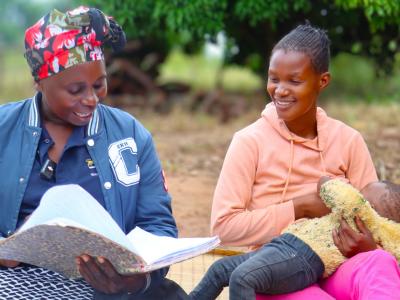
A Mother Empowered: Transforming Child Health Through Knowledge and Support
A young mother’s journey highlights how improved access to health information can transform maternal and child wellbeing. Through World Vision Eswatini’s Health and Nutrition programme and the support of a Rural Health Motivator, increased awareness on antenatal care, nutrition and child health empowered a mother to make informed decisions, contributing to a healthier future for her child.
article / May 12, 2026
Sumi never imagined simple nutrition lessons could save his child’s health
Sumi’s inspiring transformation shows how nutrition education changed her child’s health and her family’s life in rural Bangladesh through World Vision Bangladesh’s PD Hearth Programme.

article / May 10, 2026
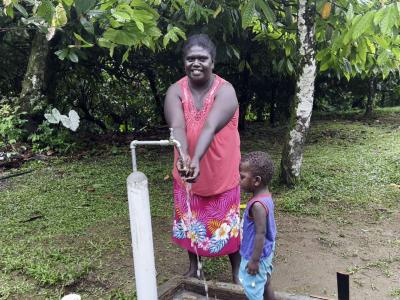
Improving Water Access for Takee Community
Located in Central Bougainville, Takee community is rebuilding after conflict, with World Vision’s WASH project supporting access to clean water for school
publication / May 13, 2026
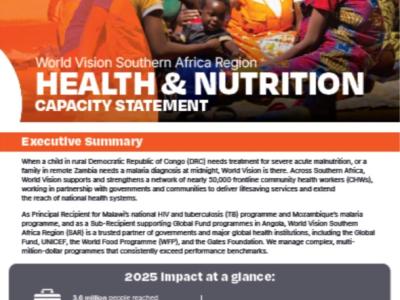
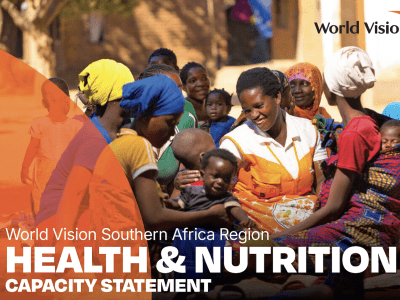
World Vision Southern Africa Region Health & Nutrition Capacity Statement
Explore World Vision Southern Africa Region’s 2025 health and nutrition impact across Southern Africa, reaching 3.6 million people through community health systems.
publication / May 4, 2026
World Vision’s Child Protection and Participation Capacity Statement
Learn how World Vision strengthens child protection and participation across East Africa by preventing violence, empowering children, and improving systems that safeguard children’s rights and well-being.

article / April 20, 2026
Ecuador Advances a Transformative Model to Prevent Chronic Child Malnutrition
In Ecuador’s Alausí canton, a community-led approach with World Vision cut child malnutrition, proving early childhood investment delivers lasting change.

video / May 11, 2026
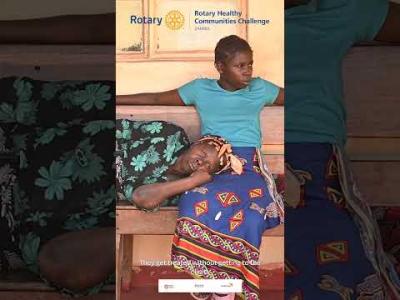
Frontline Defenders: Community Health Workers Determined To End Malaria
World Vision Zambia's volunteers are more determined than ever. Every day, they show up on the frontlines, providing treatment and health education to fight Malaria, Pneumonia, and Diarrhoea in communities across Zambia under the Rotary Health Communities Challenge.
press release / April 27, 2026
Severe Child Malnutrition Surges by 60% in Somalia as Health System Falters
World Vision-supported health facilities across Somalia have recorded a sharp increase in the number of children admitted with severe malnutrition. Between January and March, more than 3,500 children were diagnosed with severe acute malnutrition—marking a 60% rise compared to the same period in 2025, when just over 2,000 cases were reported.

publication / May 11, 2026
Southern Africa Region Health and Nutrition Capacity Statement
World Vision SAR delivers health and nutrition services at scale, strengthening community health systems and improving outcomes across Southern Africa.