article / August 19, 2026
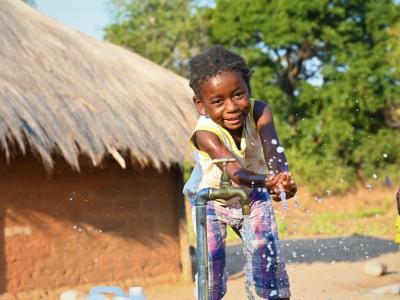
Unlocking Africa’s Water Future: Why Blended WASH Financing is the Key to SDG 6
Bridging the massive WASH funding gap across the continent requires moving beyond traditional grant models toward scalable, blended financial mechanisms.
video / August 14, 2026
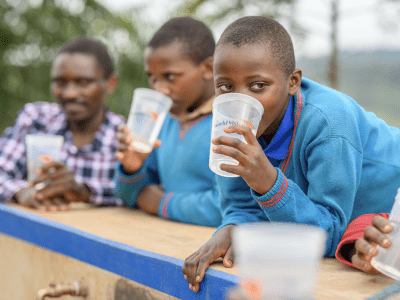
Clean Water, Dignity, and a Girl's Right to Learn
When schools lack clean water and safe toilets, girls pay the highest price. In Zambia, only 4% of schools have access to basic sanitation services, and over 2.5 million learners lack adequate hygiene facilities (UNICEF Zambia, National WASH in Schools Assessment, 2026).
publication / August 13, 2026
Urban WASH guidance
A practical guide for designing, strengthening, and evaluating urban WASH programmes through systems-focused, partnership-driven approaches.
article / August 6, 2026
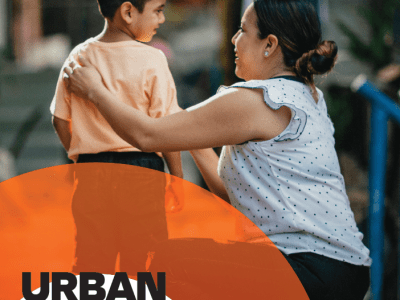
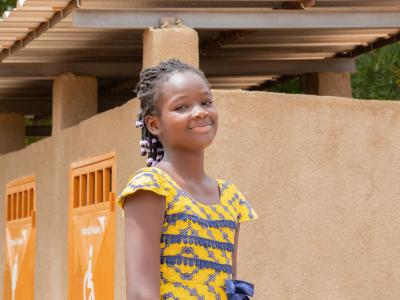
Urban Inclusive WASH Project, Burkina Faso
Discover how inclusive urban WASH solutions improved health, dignity and resilience for displaced and host families in Burkina Faso.
publication / July 31, 2026
West Africa Annual Impact Report 2025
In 2025, World Vision reached 11.5 million people across West Africa, including 6.6 million children. Read our annual impact report.
publication / August 14, 2026
World Vision Afghanistan Annual Report | FY25
In FY25, World Vision Afghanistan reached 1,497,975 people, including 808,015 children, through 36 projects and grants.
publication / August 6, 2026
Situation Report | Reporting Period: 1 April – 31 May FY26
World Vision Afghanistan's April–May 2026 humanitarian response reached 223,734 people across multiple sectors.
publication / August 6, 2026
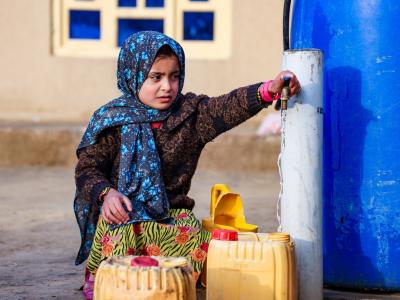
Situation Report | Reporting Period 1 February – 31 March FY26
World Vision Afghanistan reached 463,622 people through health, WASH, food security, livelihoods, protection, and emergency response.
publication / July 31, 2026
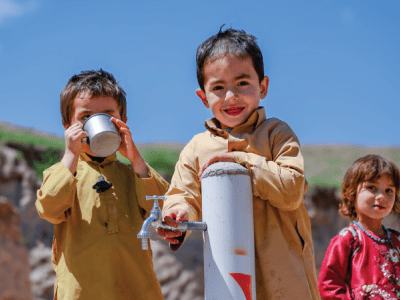
WASH Capacity Statement
World Vision International Myanmar (WVIM) is one of the longest-serving humanitarian and development organization in Myanmar, with more than three decades of operational presence across both stable and conflict-affected contexts. We partner closely with government ministries, civil society, faith based groups, local leaders, and communities to deliver integrated programs in education, child protection, health and nutrition, WASH, livelihoods, and disaster response. Our locally rooted teams ensure culturally relevant, community owned solutions that support children to thrive. In livelihood, our work focuses on strengthening household resilience, restoring livelihoods, and protecting the well-being of vulnerable children through integrated, community-driven approaches that address both immediate needs and long-term recovery. Each year, our programmes reach millions, reflecting our commitment to ensure children are educated, protected, and cared for in safe and resilient communities.
press release / July 20, 2026
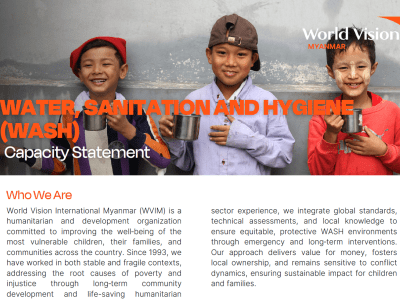
World Vision Zambia Calls for Greater Investment in WASH to Fight Child Malnutrition
World Vision Zambia has called on the Government to increase investment in Water, Sanitation and Hygiene (WASH) as a core strategy to tackle child malnutrition and strengthen child health outcomes.
World Vision Zambia Associate Director for Advocacy Gerald Kaputo stressed that access to safe water, adequate sanitation and proper hygiene stands as both a fundamental human right and a determinant of child nutrition, growth and survival.