
article / August 19, 2026
Unlocking Africa’s Water Future: Why Blended WASH Financing is the Key to SDG 6
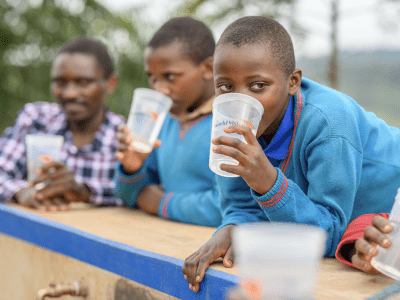
Bridging the massive WASH funding gap across the continent requires moving beyond traditional grant models toward scalable, blended financial mechanisms.
video / August 14, 2026
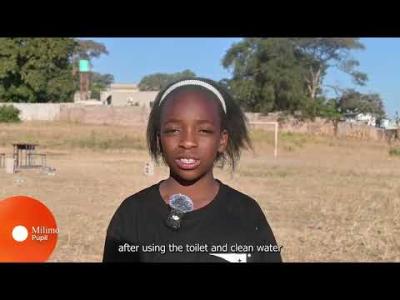
Clean Water, Dignity, and a Girl's Right to Learn
When schools lack clean water and safe toilets, girls pay the highest price. In Zambia, only 4% of schools have access to basic sanitation services, and over 2.5 million learners lack adequate hygiene facilities (UNICEF Zambia, National WASH in Schools Assessment, 2026).
press release / August 19, 2026
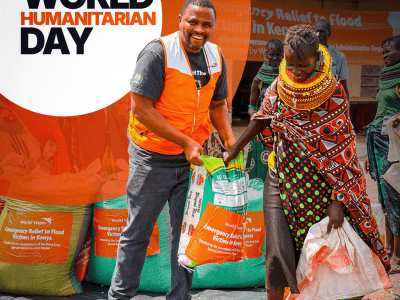
World Vision Kenya Calls for Action and Accountability to Protect Humanitarian Workers Protecting Humanitarian Workers Means Protecting People in Crisis
World Vision Kenya calls for greater protection of humanitarian workers and civilians, accountability for attacks, and respect for the laws that protect those who serve people affected by crisis.
article / July 15, 2026
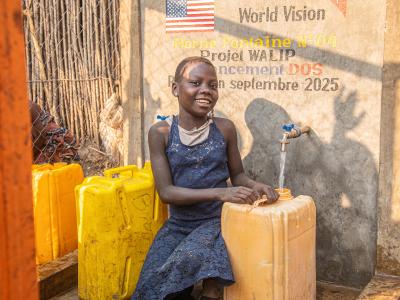
DR Congo: Clean Water and Better Hygiene Are Transforming Lives in Bambo and Kibirizi Health Zones
This human-interest article highlights how access to safe drinking water is transforming lives in the Bambo and Kibirizi Health Zones of North Kivu, eastern Democratic Republic of the Congo. It showcases the impact of a World Vision WASH project, funded by the U.S. Department of State, in improving access to clean water, promoting hygiene and sanitation practices, and reducing waterborne diseases. Through the voices of community members, children, parents, and health officials, the story illustrates tangible improvements in health, school attendance, personal hygiene, and community well-being. It also demonstrates how behavioural change, combined with sustainable water and sanitation infrastructure, is fostering healthier and more resilient communities. While celebrating the project's achievements, the article underscores the continued need to expand water and sanitation services so that every family can benefit from safe, reliable access to clean water.
publication / August 4, 2026
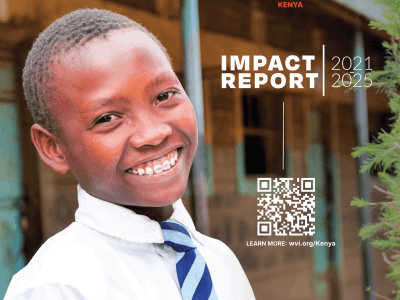
World Vision Kenya 2025 Impact Report
Explore World Vision Kenya’s 2021–2025 Impact Report, highlighting how 4.6 million people and 9.4 million children were reached through advocacy and transformative projects in different sectors (Child Learning and Household Resilience, Disaster Management, Climate Change and WASH)
publication / August 13, 2026
Urban WASH guidance
A practical guide for designing, strengthening, and evaluating urban WASH programmes through systems-focused, partnership-driven approaches.
article / July 23, 2026
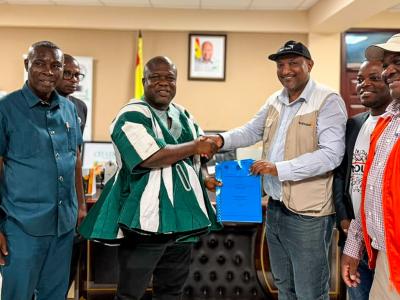
World Vision Ghana and Volta Regional Council Partner to Improve Water, Sanitation and Health Services
World Vision Ghana and the Volta Regional Coordinating Council have signed an MoU to expand access to clean water, sanitation and health services in Agortime-Ziope.
article / July 28, 2026
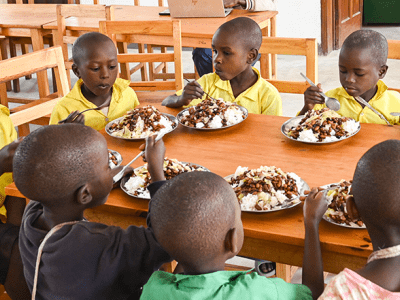
How a School Club Is Transforming Lives Beyond the Classroom
At EP Gihango Primary School, the WASH and Nutrition Club is empowering children to become leaders in the fight against malnutrition. Through lessons on hygiene, nutrition, and healthy living, students are improving practices at school, inspiring healthier habits at home, and even supporting vulnerable classmates.
When Violette struggled to access school meals, club members mobilized their parents to raise funds for her and seven other children, demonstrating remarkable compassion and leadership. Supported by World Vision Rwanda's ENOUGH Campaign and partners, the club is proving that children can be powerful agents of change, helping create healthier families, stronger communities, and a future where every child has the opportunity to thrive.
article / July 21, 2026
At Kabuuka Primary School, Cissy’s Story Shows How Water Changed Everything for Girls
At Kabuuka Primary School, the daily struggle for water once defined children’s lives more than learning. Pupils walked two kilometres to fetch unsafe water, leaving them exhausted, frequently ill, and often absent from class. For girls, the lack of water and sanitation was especially harsh during menstruation, leading to missed school days and stigma.
Through World Vision Uganda’s intervention, a motorised water system was installed, bringing clean water directly into the school compound and surrounding community. Alongside new latrines and sanitation facilities, this transformed hygiene, dignity, and participation in learning—particularly for adolescent girls.
