press release / August 25, 2026
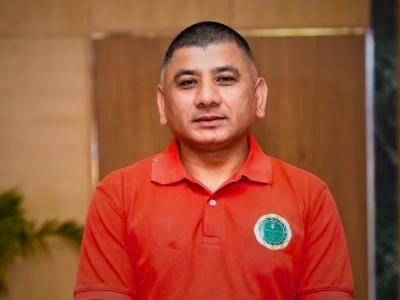
Nine Years of Struggle: Rohingya Children Caught Between Climate Disasters and Plunging Aid
Nine years into protracted displacement, escalating climate disasters and a 24% aid cut threaten 1.2 million Rohingya refugees, prompting World Vision to call for global responsibility-sharing and durable, nexus-driven solutions for children and host communities.
article / August 24, 2026
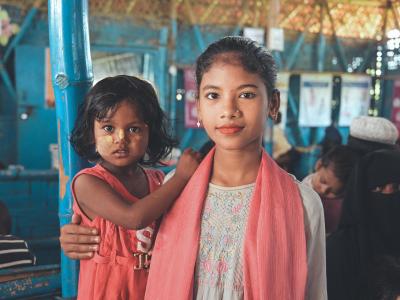
Storytelling Beyond the Headlines
Not all stories make the headlines. Through conversations with children and communities affected by crises, Binod Thapa Magar reflects on the moments that continue to shape his journey as a humanitarian storyteller.
article / August 21, 2026
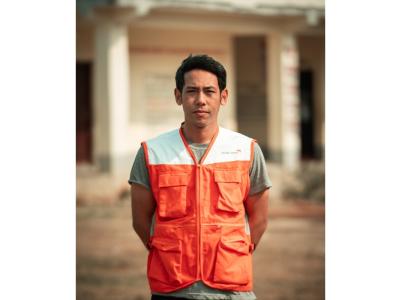
At the Frontline of Crisis and Recovery
From earthquakes to landslides, Nanda Budha reflects on leading humanitarian responses and standing with communities in crisis.
landing page / August 18, 2026
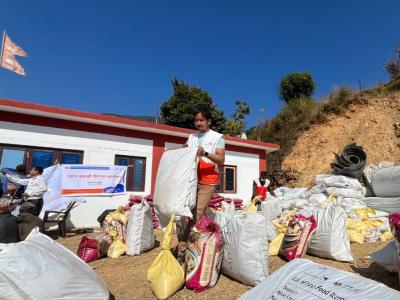
United Nations Office for the Coordination of Humanitarian Affairs (UNOCHA)
publication / August 26, 2026
POLICY BRIEF: Debt for What?
This policy brief on public debt utilisation in Kenya and Zambia, examining how borrowed resources translate into development outcomes
article / August 27, 2026
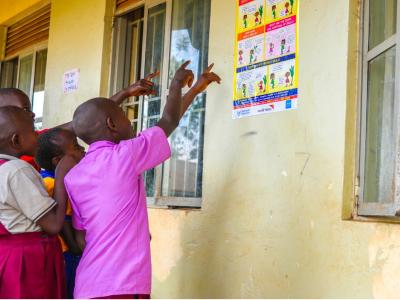
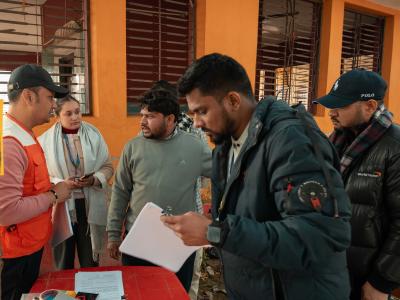
World Vision Ghana Calls for Enhanced Border Preparedness as Humanitarian Pressures Rise in West Africa
World Vision Ghana is urging stronger border surveillance and humanitarian preparedness as insecurity and climate shocks in Burkina Faso increase displacement pressures across West Africa, threatening vulnerable communities along Ghana's northern frontier.

press release / August 26, 2026
Flash flood devastates Rasuwa and Nuwakot, leaving 162 dead and over 400 missing; World Vision International Nepal readying humanitarian response
Copilot said:
Flash floods in Rasuwa and Nuwakot have caused widespread devastation, leaving 95 dead and nearly 400 missing. WVI Nepal is preparing emergency food and shelter assistance for affected families.
article / August 21, 2026
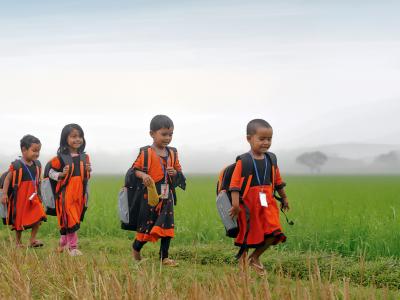
Standing with Children Through Crisis and Recovery
Having lived through the 2015 earthquake himself, Surendra Ratna Shakya has dedicated his career to supporting vulnerable children and families through crisis and recovery.