article / August 18, 2026
Solomon's Gold: The young people shaping humanitarian work in Solomon Islands
Discover how young humanitarians and youth in Solomon Islands are driving frontline response, community resilience, and local leadership from the ground up.

article / August 18, 2026
Building Hope on the Border: Cholera Case Management Training Saves Lives in Renk
In Renk County, upper Nile State, a major entry point for thousands of refugees and returnees fleeing the Sudan crisis, cholera remains a major public health threat, particularly during the rainy season. A single case of cholera can quickly turn into a deadly outbreak under conditions created by overcrowded transit centres, poor sanitation, limited access to safe water and recurrent flooding.

publication / July 31, 2026
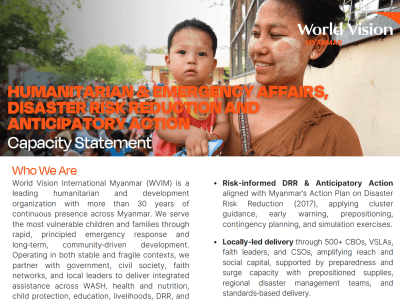
HEA and DRR Capacity Statement
World Vision International Myanmar (WVIM) is one of the longest-serving humanitarian and development organization in Myanmar, with more than three decades of operational presence across both stable and conflict-affected contexts. We partner closely with government ministries, civil society, faith based groups, local leaders, and communities to deliver integrated programs in education, child protection, health and nutrition, WASH, livelihoods, and disaster response. Our locally rooted teams ensure culturally relevant, community owned solutions that support children to thrive. In livelihood, our work focuses on strengthening household resilience, restoring livelihoods, and protecting the well-being of vulnerable children through integrated, community-driven approaches that address both immediate needs and long-term recovery. Each year, our programmes reach millions, reflecting our commitment to ensure children are educated, protected, and cared for in safe and resilient communities.
video / August 13, 2026
Changing Lives, One Child at a Time | World Vision & CURE Children's Hospital Zimbabwe
Changing Lives, One Child at a Time | World Vision & CURE Children's Hospital

article / July 21, 2026
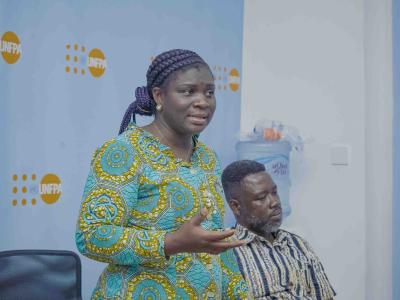
World Vision Ghana, UNFPA Validate Findings on Health Facility Readiness in Disaster-Prone Areas
World Vision Ghana, UNFPA, the Ministry of Health, and Ghana Health Service validate findings from an assessment of health facility readiness to deliver essential maternal and reproductive health services in disaster-prone areas across Ghana.
article / August 3, 2026
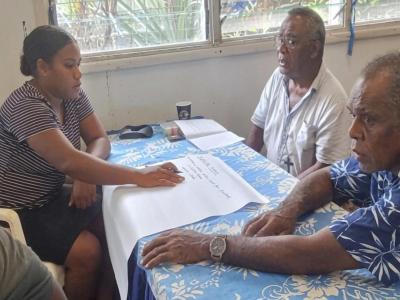
From Floodwaters to Hope: Gwaimaoa Community's Journey to Safe Water and Resilience
Discover how Gwaimaoa Community transformed from flood and water insecurity to resilience through safe water access, disaster preparedness, and community action.
video / August 18, 2026
Investing in Children’s Education for a Brighter Future
Through its education programmes, World Vision Zimbabwe is investing in children by helping create opportunities for them to learn, grow and reach their full potential. From improving learning environments to supporting teachers, children and communities, these efforts are helping build a stronger foundation for a brighter future.

article / August 5, 2026
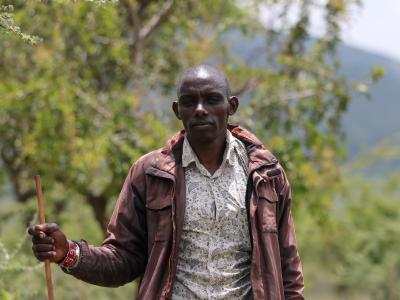
Growing Hope Through Faith and Farmer Managed Natural Regeneration
Discover how, in Kajiado County, John Silamoi is restoring degraded land through FMNR, reviving trees, improving pasture, and helping communities build resilience.
article / July 15, 2026
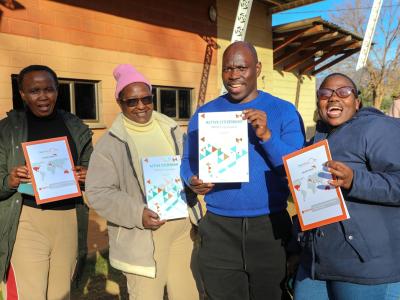
World Vision Lesotho Equips Teachers to Strengthen WASH Clubs, Active Citizenship and Disaster Preparedness
World Vision Lesotho trained 81 teachers to strengthen WASH Clubs, active citizenship and disaster preparedness, empowering learners to build healthier, safer and more resilient schools.
article / July 8, 2026
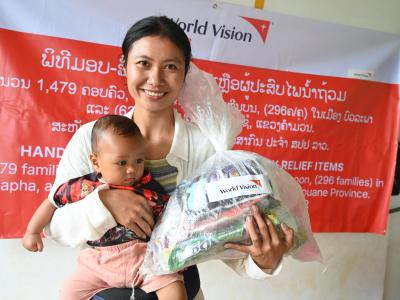
Emergency Relief Brings Hope to Flood-Affected Families in Laos
World Vision Laos responds to Typhoon Wipha floods, aiding 1,479 households with hygiene kits and resilience support in Khammouan Province.