video / August 26, 2026
Ebola in the DRC: Why This Outbreak Is So Difficult to Combat
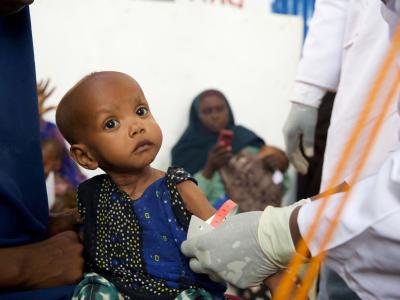
The Ebola crisis you remember was back in 2014 in Sierra Leone, Guinea, and Liberia. But the current one in the DRC is actually growing far faster than that one did.
Ebola has faded out of the news because there's been a lot of news to tell and limited time to tell it, but also because the story is hard to put into headlines. It's wrapped in complex layers of history, traditions, and systemic failure that have combined to make everything worse.
So Chirs Montgomery has put together this video to better understand what makes Ebola so hard to combat in the Democratic Republic of Congo.

video / August 21, 2026
Ebola Outbreak Reaches Critical Turning Point as World Vision Calls for Urgent Action
As Ebola cases continue to rise across eastern Democratic Republic of the Congo, the humanitarian response is at a critical turning point. In a recent media interview with Al Jazeera Media Network, World Vision DRC's East Zone Director, David Munkley, warned that the outbreak has exceeded all expectations, with daily cases increasing dramatically and the disease spreading into new health zones. He highlighted the urgent need for greater investment in prevention, community engagement and frontline health services, stressing that trusted local voices - including faith leaders, schools, community leaders and health workers - are essential to building confidence and helping communities adopt life-saving measures. Above all, he called for stronger support to protect children and families who remain at the heart of this crisis. Watch the full interview below and join us in raising awareness of the urgent need for collective action.
article / August 21, 2026
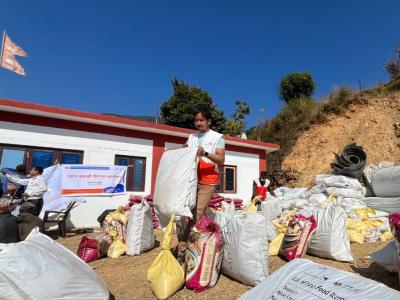
At the Frontline of Crisis and Recovery
From earthquakes to landslides, Nanda Budha reflects on leading humanitarian responses and standing with communities in crisis.
video / August 21, 2026
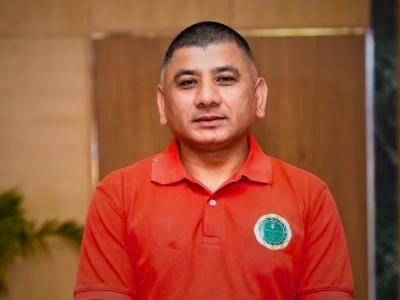
Saving Lives on the Front Lines: Honouring Ebola Responders This World Humanitarian Day
This video highlights the courage and challenges faced by Ebola responders in the DRC, where misinformation, community resistance and security risks complicate efforts to contain the outbreak. Christian Kasereka shares how World Vision is using faith-based Channels of Hope to build trust, strengthen community engagement and help save lives, while calling for greater protection of humanitarian workers.
article / August 21, 2026
Standing with Children Through Crisis and Recovery
Having lived through the 2015 earthquake himself, Surendra Ratna Shakya has dedicated his career to supporting vulnerable children and families through crisis and recovery.
publication / August 28, 2026
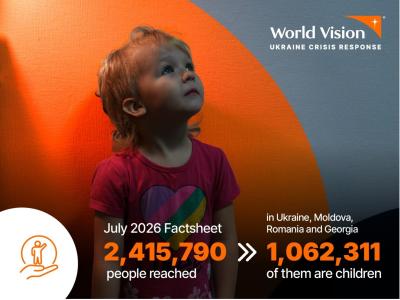
Over 2.4M Lives Supported: July 2026 Factsheet
As of July 2026, World Vision Ukraine Crisis Response has provided critical assistance to 2,415,790 people across Ukraine, Moldova, Romania and Georgia.
landing page / August 18, 2026
United Nations Office for the Coordination of Humanitarian Affairs (UNOCHA)

press release / August 25, 2026
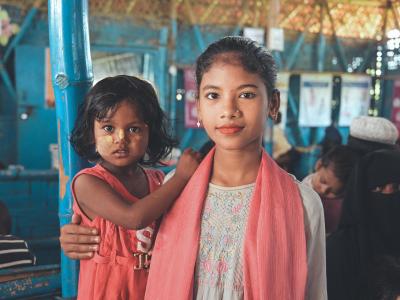
Nine Years of Struggle: Rohingya Children Caught Between Climate Disasters and Plunging Aid
Nine years into protracted displacement, escalating climate disasters and a 24% aid cut threaten 1.2 million Rohingya refugees, prompting World Vision to call for global responsibility-sharing and durable, nexus-driven solutions for children and host communities.
article / August 24, 2026
“I Dont Want My Children to Die of Hunger”: One Family's Fight Against a Famine Somalia Has Seen Before
As funding dwindles, needs are outpacing resources in Somalia. Some locations are already showing famine conditions as humanitarian organisations scale down or close operations.