article / August 10, 2026
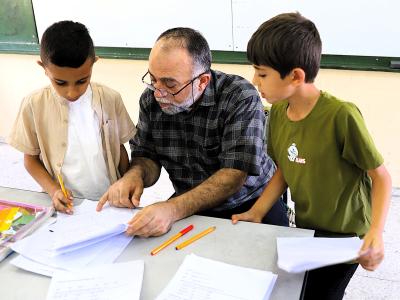
Forging a Stronger Partnership for Children and Communities in Sierra Leone
World Vision and the Government of Sierra Leone sign a historic Host Country Agreement, strengthening nearly 30 years of partnership for vulnerable children and communities.

article / August 18, 2026
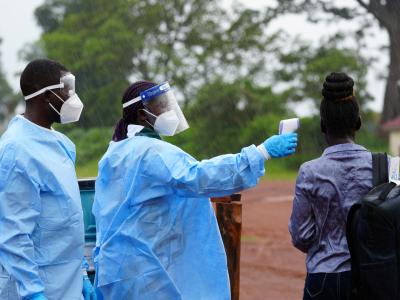
On the Real Frontline: Protecting Health Workers and Preventing the Spread of Ebola
World Vision stands in solidarity with the humanitarian community and calls for the protection of humanitarian workers, safe and unhindered humanitarian access, and respect for the humanitarian principles that allow frontline workers to reach every community in need.
publication / August 3, 2026
Discover World Vision Sierra Leone's 2025 Annual Report
Find out how our work helped improve the well-being of children in Sierra Leone during our 2025 financial year.
article / July 7, 2026
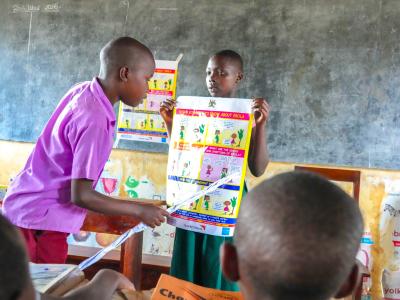
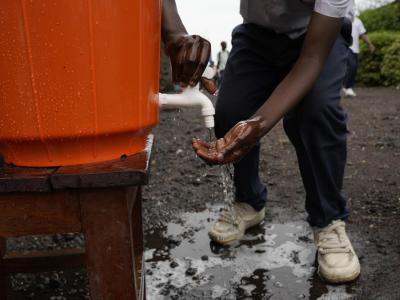
World Vision boosts Ebola preparedness in schools, health facilities
Schools and health facilities across Uganda are receiving critical infection prevention supplies as World Vision Uganda strengthens efforts to protect communities from Ebola amid renewed concerns over the spread of the disease.
publication / July 31, 2026
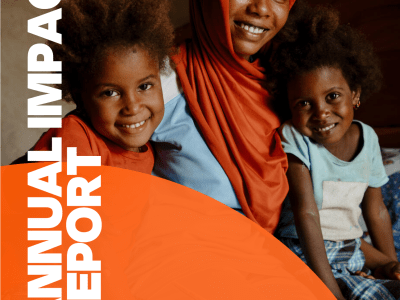
West Africa Annual Impact Report 2025
In 2025, World Vision reached 11.5 million people across West Africa, including 6.6 million children. Read our annual impact report.
article / July 2, 2026
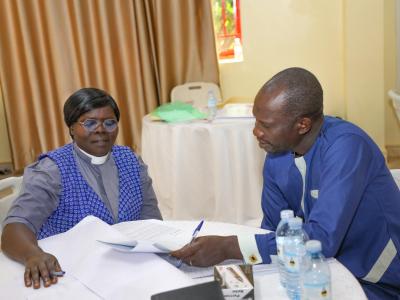
World Vision Partners with Faith Leaders to Curb Ebola in Uganda
The story is about how World Vision is engaging faith leaders to curb the spread of Ebola in Uganda
publication / August 20, 2026
Lebanon Response 2026 - Situation Report #16
World Vision Lebanon’s latest situation report highlights the escalating humanitarian crisis, ongoing displacement, critical needs and response efforts supporting children and families across Lebanon.

press release / August 19, 2026
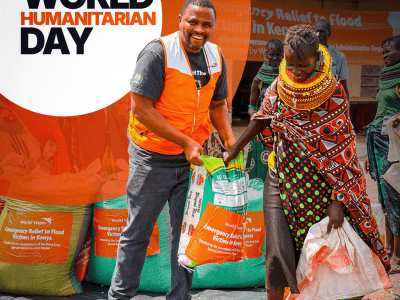
World Vision Kenya Calls for Action and Accountability to Protect Humanitarian Workers Protecting Humanitarian Workers Means Protecting People in Crisis
World Vision Kenya calls for greater protection of humanitarian workers and civilians, accountability for attacks, and respect for the laws that protect those who serve people affected by crisis.
press release / July 30, 2026
Nearly 24,000 Palestinian Children, Teachers and Caregivers Reclaim Safe Learning in the West Bank
The project restored safe access to education and psychosocial support for nearly 24,000 children, teachers and caregivers in the West Bank.