press release / August 25, 2026
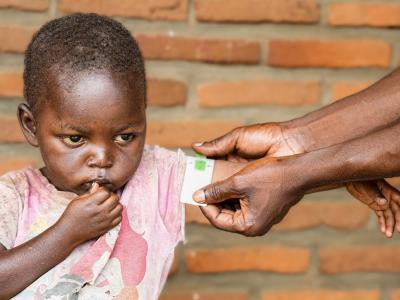
Nine Years of Struggle: Rohingya Children Caught Between Climate Disasters and Plunging Aid
Nine years into protracted displacement, escalating climate disasters and a 24% aid cut threaten 1.2 million Rohingya refugees, prompting World Vision to call for global responsibility-sharing and durable, nexus-driven solutions for children and host communities.
article / August 24, 2026
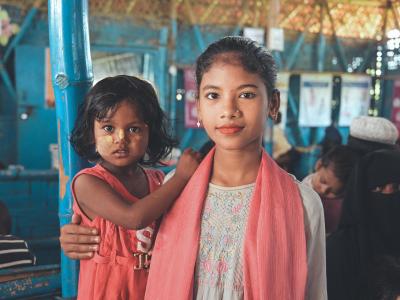
Trangelito Kicks His Way Back to Health
After battling severe acute malnutrition and malaria, five-year-old Trangelito regained his strength with timely medical care and continued support from community volunteers in Monapo.

video / August 21, 2026
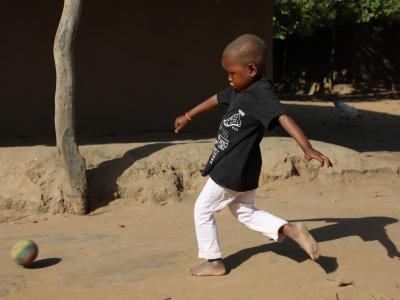
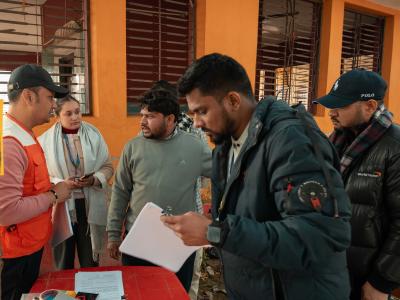
Ebola Outbreak Reaches Critical Turning Point as World Vision Calls for Urgent Action
As Ebola cases continue to rise across eastern Democratic Republic of the Congo, the humanitarian response is at a critical turning point. In a recent media interview with Al Jazeera Media Network, World Vision DRC's East Zone Director, David Munkley, warned that the outbreak has exceeded all expectations, with daily cases increasing dramatically and the disease spreading into new health zones. He highlighted the urgent need for greater investment in prevention, community engagement and frontline health services, stressing that trusted local voices - including faith leaders, schools, community leaders and health workers - are essential to building confidence and helping communities adopt life-saving measures. Above all, he called for stronger support to protect children and families who remain at the heart of this crisis. Watch the full interview below and join us in raising awareness of the urgent need for collective action.

article / July 15, 2026
DR Congo: Clean Water and Better Hygiene Are Transforming Lives in Bambo and Kibirizi Health Zones
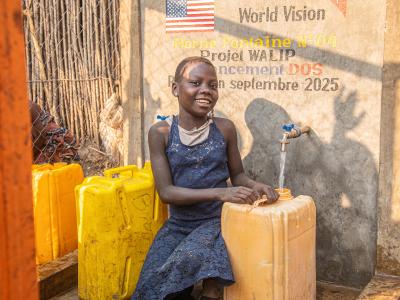
This human-interest article highlights how access to safe drinking water is transforming lives in the Bambo and Kibirizi Health Zones of North Kivu, eastern Democratic Republic of the Congo. It showcases the impact of a World Vision WASH project, funded by the U.S. Department of State, in improving access to clean water, promoting hygiene and sanitation practices, and reducing waterborne diseases. Through the voices of community members, children, parents, and health officials, the story illustrates tangible improvements in health, school attendance, personal hygiene, and community well-being. It also demonstrates how behavioural change, combined with sustainable water and sanitation infrastructure, is fostering healthier and more resilient communities. While celebrating the project's achievements, the article underscores the continued need to expand water and sanitation services so that every family can benefit from safe, reliable access to clean water.
article / August 24, 2026
From Flood Recovery to Malaria Prevention in Gaza
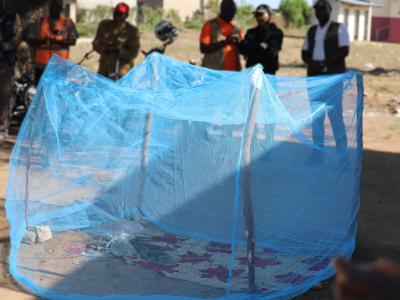
Malaria risk rises in Mozambique’s Gaza Province after floods, prompting a major mosquito-net campaign to protect vulnerable families, especially children and pregnant women.
article / August 6, 2026
Water for Life: Guidan Kane Katshinawa Transformed by a Water Well
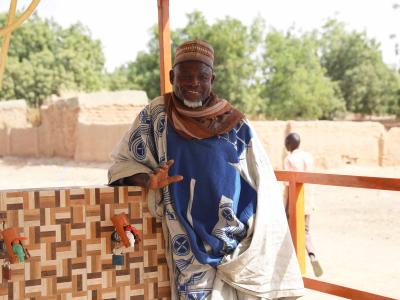
A World Vision-supported borehole is improving access to safe drinking water and strengthening health and wellbeing in Guidan Kane Katshinawa, Niger.
article / August 21, 2026
From the Red Status of Malnutrition to Green Status: A Grandmother's Fight to Save MALI from Malnutrition
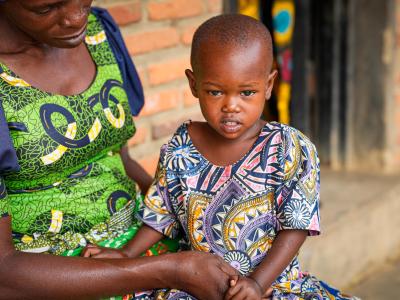
This article tells the moving story of Esther, a grandmother in Katwiguru who fought to save her granddaughter MALI from severe malnutrition amid displacement and insecurity. With support from World Vision and access to therapeutic food and nutrition counselling, MALI’s health and appetite improved, moving her from severe malnutrition towards full recovery. The story highlights the resilience of caregivers, the importance of community-based nutrition services, and World Vision’s continued efforts to reach vulnerable children in hard-to-reach areas.
article / August 21, 2026
DR Congo: When War Overtakes Healing but Hope Prevails: The Story of GAKURU
GAKURU’s story illustrates the devastating impact of conflict and displacement on children facing malnutrition in eastern Democratic Republic of the Congo. After recovering from severe acute malnutrition with support from World Vision, two-year-old GAKURU was forced to flee with his family when violence swept through his village, leading to a relapse. Through continued nutritional support and follow-up care, he eventually recovered. His journey highlights the resilience of children and families living through crisis, while showing how World Vision’s Nexus Accelerator Fund continues to provide life-saving nutrition support in hard-to-reach and conflict-affected communities.