article / August 21, 2026
Standing with Children Through Crisis and Recovery
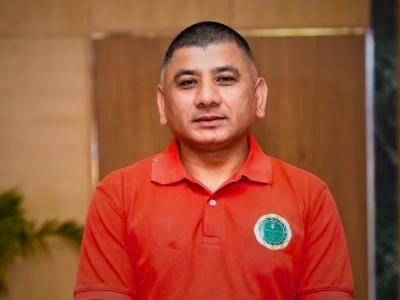
Having lived through the 2015 earthquake himself, Surendra Ratna Shakya has dedicated his career to supporting vulnerable children and families through crisis and recovery.
video / August 21, 2026
Ebola Outbreak Reaches Critical Turning Point as World Vision Calls for Urgent Action
As Ebola cases continue to rise across eastern Democratic Republic of the Congo, the humanitarian response is at a critical turning point. In a recent media interview with Al Jazeera Media Network, World Vision DRC's East Zone Director, David Munkley, warned that the outbreak has exceeded all expectations, with daily cases increasing dramatically and the disease spreading into new health zones. He highlighted the urgent need for greater investment in prevention, community engagement and frontline health services, stressing that trusted local voices - including faith leaders, schools, community leaders and health workers - are essential to building confidence and helping communities adopt life-saving measures. Above all, he called for stronger support to protect children and families who remain at the heart of this crisis. Watch the full interview below and join us in raising awareness of the urgent need for collective action.

article / August 20, 2026
In Nyiragongo and Masisi, 8,000 households regain prospects thanks to the Emergency Response project
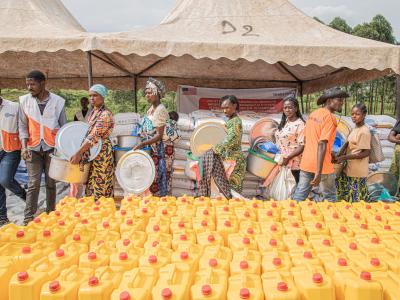
This article highlights how World Vision’s Emergency Response project in Nyiragongo and Masisi is helping 8,000 crisis-affected households rebuild their livelihoods and regain hope. Through vocational training, income-generating activities and livelihood kits, women and families have gained practical skills, increased their self-reliance and strengthened their ability to meet their children’s basic needs. Their stories demonstrate how economic empowerment can restore dignity, resilience and confidence among displaced and vulnerable communities.
article / August 21, 2026
DR Congo: When War Overtakes Healing but Hope Prevails: The Story of GAKURU
GAKURU’s story illustrates the devastating impact of conflict and displacement on children facing malnutrition in eastern Democratic Republic of the Congo. After recovering from severe acute malnutrition with support from World Vision, two-year-old GAKURU was forced to flee with his family when violence swept through his village, leading to a relapse. Through continued nutritional support and follow-up care, he eventually recovered. His journey highlights the resilience of children and families living through crisis, while showing how World Vision’s Nexus Accelerator Fund continues to provide life-saving nutrition support in hard-to-reach and conflict-affected communities.
article / August 21, 2026
From the Red Status of Malnutrition to Green Status: A Grandmother's Fight to Save MALI from Malnutrition
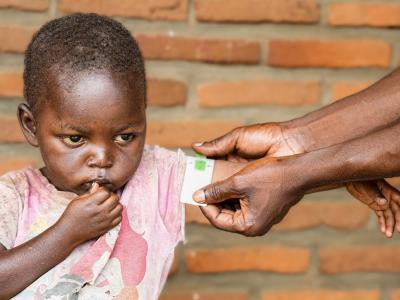
This article tells the moving story of Esther, a grandmother in Katwiguru who fought to save her granddaughter MALI from severe malnutrition amid displacement and insecurity. With support from World Vision and access to therapeutic food and nutrition counselling, MALI’s health and appetite improved, moving her from severe malnutrition towards full recovery. The story highlights the resilience of caregivers, the importance of community-based nutrition services, and World Vision’s continued efforts to reach vulnerable children in hard-to-reach areas.
publication / August 17, 2026
FY25 Annual Report | World Vision Central African Republic
Explore World Vision Central African Republic’s FY25 results in health, nutrition, education, child protection, WASH, and humanitarian response, improving the lives of the most vulnerable children and communities across the country.
article / August 21, 2026
Karawa Communities Raise Their Voices for Security Through Citizen Voice and Action
This article highlights how communities in Karawa, North Ubangi, used World Vision DRC’s Citizen Voice and Action (CVA) approach to identify insecurity as a key concern and peacefully advocate for stronger protection measures. Through community mobilisation, dialogue with authorities and a formal advocacy memorandum, residents demonstrated how informed citizens can influence local governance and contribute to building safer, more resilient communities.
article / May 26, 2020
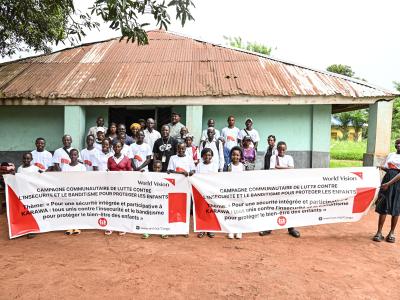
COVID-19: World Vision putting children at the centre of its response
World Vision Chad works daily for the well-being of children, and continues to support the Government of Chad in the Response against COVID-19.
article / November 13, 2020
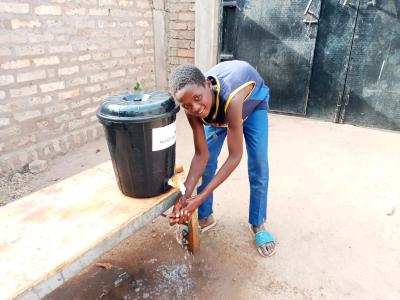
Equipping Mauritanian communities to create a healthy environment for children
In 2016, 37-year-old Koranic teacher Sidi Mohammed met with World Vision staff visiting his neighbourhood to implement sponsorship projects, raise awareness, and identify children in need of support. It was then that Sidi discovered an important model that marked a turning point in his life – the Celebrating Families approach (CFC), whose purpose is to equip communities to create a healthy and loving environment for the well-being of children.
article / December 11, 2020
Safe drinking water to improve children's well-being
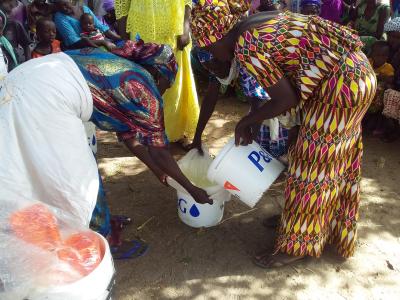
In several parts of Senegal, access to drinking water remains a problem. World Vision's Senegal office, in partnership with World Vision's United States office, is implementing a project called “Safe drinking water for Senegal” to contribute to access to clean water in quantity and quality in the most disadvantaged areas of Kédougou, Tambacounda, and Kolda regions.