article / August 21, 2026
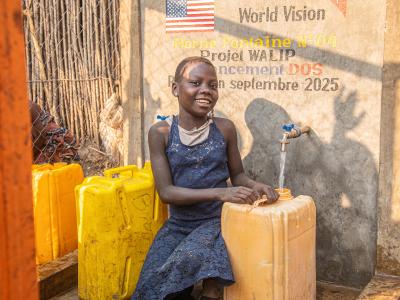
At the Frontline of Crisis and Recovery
From earthquakes to landslides, Nanda Budha reflects on leading humanitarian responses and standing with communities in crisis.
article / August 21, 2026
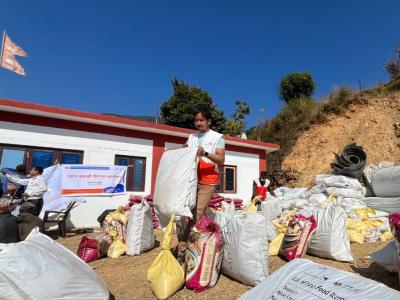
Standing with Children Through Crisis and Recovery
Having lived through the 2015 earthquake himself, Surendra Ratna Shakya has dedicated his career to supporting vulnerable children and families through crisis and recovery.
press release / August 25, 2026
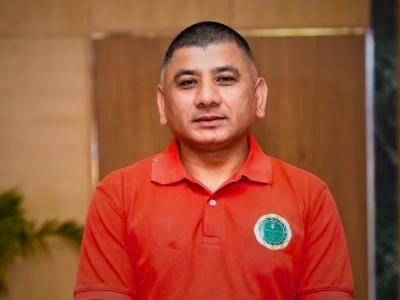
Nine Years of Struggle: Rohingya Children Caught Between Climate Disasters and Plunging Aid
Nine years into protracted displacement, escalating climate disasters and a 24% aid cut threaten 1.2 million Rohingya refugees, prompting World Vision to call for global responsibility-sharing and durable, nexus-driven solutions for children and host communities.
publication / August 28, 2026
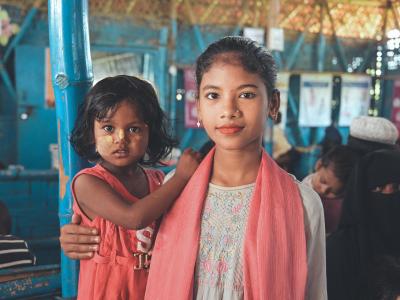
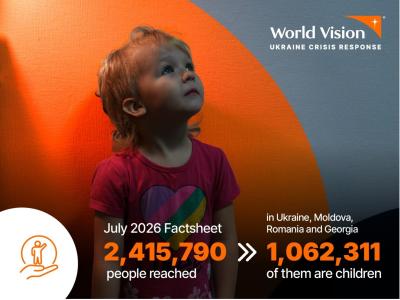
Over 2.4M Lives Supported: July 2026 Factsheet
As of July 2026, World Vision Ukraine Crisis Response has provided critical assistance to 2,415,790 people across Ukraine, Moldova, Romania and Georgia.
publication / August 26, 2026
POLICY BRIEF: Debt for What?
This policy brief on public debt utilisation in Kenya and Zambia, examining how borrowed resources translate into development outcomes
article / August 6, 2026
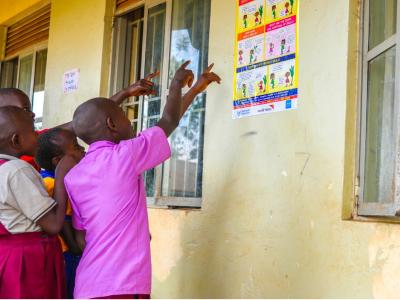
Water for Life: Guidan Kane Katshinawa Transformed by a Water Well
A World Vision-supported borehole is improving access to safe drinking water and strengthening health and wellbeing in Guidan Kane Katshinawa, Niger.
video / August 21, 2026
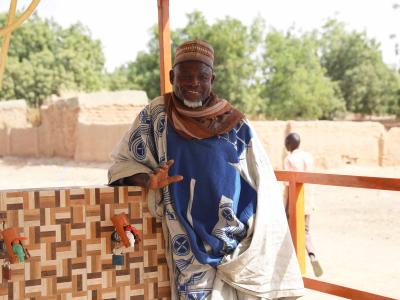
Ebola Outbreak Reaches Critical Turning Point as World Vision Calls for Urgent Action
As Ebola cases continue to rise across eastern Democratic Republic of the Congo, the humanitarian response is at a critical turning point. In a recent media interview with Al Jazeera Media Network, World Vision DRC's East Zone Director, David Munkley, warned that the outbreak has exceeded all expectations, with daily cases increasing dramatically and the disease spreading into new health zones. He highlighted the urgent need for greater investment in prevention, community engagement and frontline health services, stressing that trusted local voices - including faith leaders, schools, community leaders and health workers - are essential to building confidence and helping communities adopt life-saving measures. Above all, he called for stronger support to protect children and families who remain at the heart of this crisis. Watch the full interview below and join us in raising awareness of the urgent need for collective action.

article / August 6, 2026
When Equipment Becomes a Key to Quality Care at the Dosso Mother-and-Child Center
Every day, the Dosso Mother and Child Health Center receives dozens of women seeking timely and quality maternal healthcare. However, increasing demand for obstetric and gynecological services had long challenged the facility due to limited medical equipment. To address this need, the Women of World Vision Niger donated essential equipment, including surgical lights, a modern operating table, cesarean and gynecological surgical kits, infant warming lamps, and an oxygen concentrator.
According to Kidarou Hima, General Supervisor of the health center, the donation has transformed the operating theatre by improving the efficiency of surgical procedures and reducing waiting times for emergency cases. Medical teams now have reliable equipment readily available, enabling them to provide faster, safer, and higher-quality care for women and newborns.
The improved working conditions have also increased staff motivation and confidence. Grateful for this support, the health center acknowledges that the donation has significantly strengthened maternal healthcare services and directly benefits the communities it serves through better and more timely medical care.
article / July 15, 2026
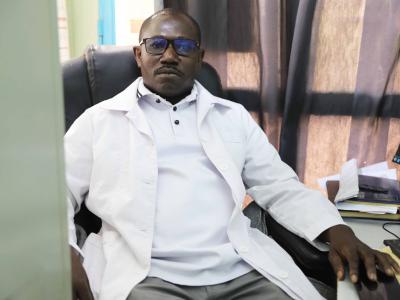
DR Congo: Clean Water and Better Hygiene Are Transforming Lives in Bambo and Kibirizi Health Zones
This human-interest article highlights how access to safe drinking water is transforming lives in the Bambo and Kibirizi Health Zones of North Kivu, eastern Democratic Republic of the Congo. It showcases the impact of a World Vision WASH project, funded by the U.S. Department of State, in improving access to clean water, promoting hygiene and sanitation practices, and reducing waterborne diseases. Through the voices of community members, children, parents, and health officials, the story illustrates tangible improvements in health, school attendance, personal hygiene, and community well-being. It also demonstrates how behavioural change, combined with sustainable water and sanitation infrastructure, is fostering healthier and more resilient communities. While celebrating the project's achievements, the article underscores the continued need to expand water and sanitation services so that every family can benefit from safe, reliable access to clean water.