
article / August 2, 2026
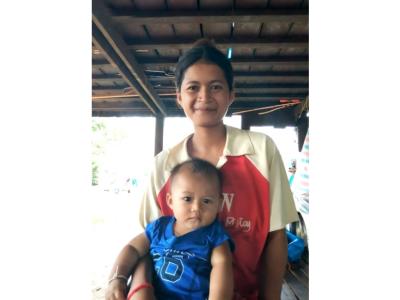
Giving Every Child the Best Start: Strengthening Breastfeeding Support in Cambodia
Discover how World Vision Cambodia is strengthening breastfeeding support through Baby-Friendly Health Centres, helping every mother and child get the best start in life.
article / July 24, 2026
Food Assistance Gives Returnee Families in Memba a Fresh Start
Hundreds of returnee families in Memba are rebuilding their lives with electronic food vouchers, helping them access food, essentials and hope after conflict.

press release / June 12, 2026
Show a Red Card to Child Labour: Joining Forces Nepal Urges for Accelerated Action on Eliminating Child Labour in Nepal
Joining Forces Nepal urges stronger action to end child labour, highlighting laws, challenges, and the need for collaboration, protection, and support for children.
publication / July 16, 2026
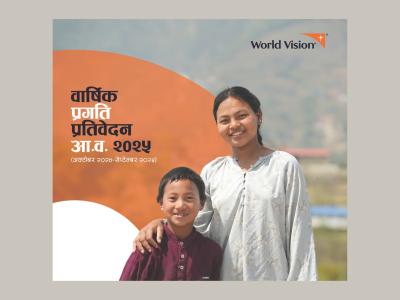
Annual Progress Report FY2025|World Vision International Nepal|Nepali
World Vision International Nepal FY25 report, in the Nepali version, highlights the impact reaching 448,342 people, including 307,961 children, through education, livelihoods and protection programmes.
article / July 29, 2026
One Healthy Snack at a Time: Nourishing Children, Supporting Families, and Local Businesses
World Vision's School Feeding Project provides healthy daily snacks to vulnerable children in Baalbeck-Hermel, supporting families, nutrition, and local businesses.

article / July 13, 2026
Giving Children a Voice: Raising Awareness on Gender-Based Violence at Lang Agaal Primary School
This session is integral component of the Enhancing Community Resilience and Local Governance Project Phase II (ECRP II), a government-led initiative funded by the World Bank and implemented by the Ministry of Finance and Planning and the Local Government Board, in partnership with World Vision in Warrap state.

publication / May 27, 2026
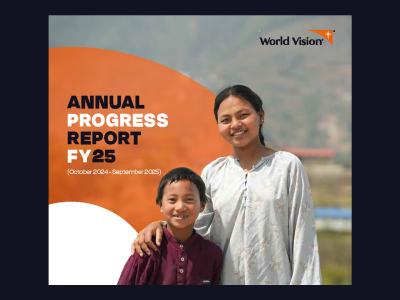
Annual Progress Report FY2025|World Vision International Nepal|English
World Vision International Nepal FY25 report highlights impact reaching 448,342 people, including 307,961 children, through education, livelihoods and protection programmes.
publication / July 6, 2026
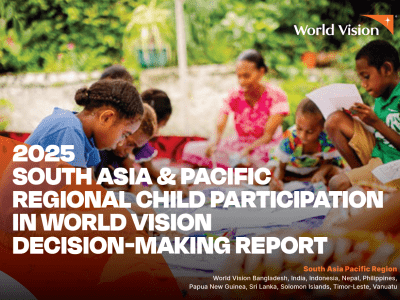
2025 South Asia & Pacific Regional Child Participation in WV Decision-Making Report
The 2025 Regional South Asia & Pacific Child Participation Report details the impact of engaging boys and girls in decision-making at local and national levels.
article / June 30, 2026
A Life-Changing Surgery Gives Mary a Fresh Start
Born with an umbilical hernia, Mary endured pain, stigma and poor school performance until World Vision Malawi helped her access life-changing surgery. Today, she is healthy, confident and excelling in school with renewed hope for the future.

article / June 25, 2026
DR Congo: A Second Chance Gives Chantal Hope for Her Children's Future
After losing a child to malnutrition, Chantal feared history would repeat itself when her six-year-old son, Franck, became severely malnourished. Through World Vision's emergency nutrition support and the Positive Deviance Hearth approach, she learned how to prepare nutritious meals using locally available foods and received livelihood support to start a small business. Today, Franck has fully recovered, Chantal has strengthened her family's nutrition and income, and she is determined to build a brighter future for her six children. Her journey demonstrates how combining life-saving treatment, nutrition education, and economic empowerment can transform lives and help families break the cycle of malnutrition.
