article / June 8, 2026
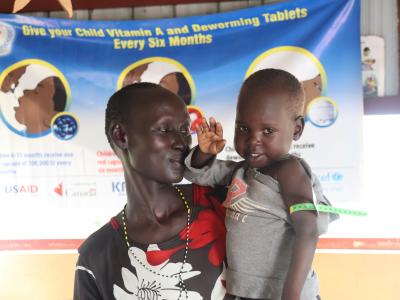
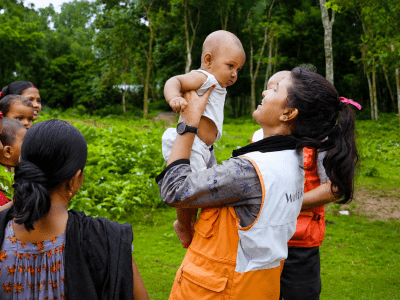
Grandmothers Leading the Way to Better Child Nutrition
Grandmothers in Rolear Bier are transforming child nutrition at home. Through World Vision’s GMIA, one child recovers from severe malnutrition—showing the power of knowledge, care, and community support.
article / June 22, 2026
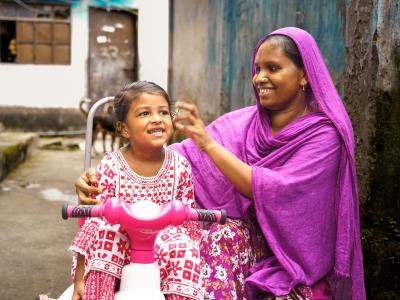
A Mother's Fight to Send Her Children Back to School
A mother in Dhaka's slums was forced to choose between feeding her children and educating them. Read her story of loss, guilt, and one daughter's second chance.
article / June 5, 2026
Nutrition sensitive farming helping families move from chronic hunger to balanced diets
That situation began to change after the family joined the Aleamandro Farmer Group under the Uganda Refugee Resilience Initiative (URRI) Programme and was introduced to nutrition-sensitive agriculture, a farming approach designed to address both food shortages and poor diets at the same time.
article / June 10, 2026
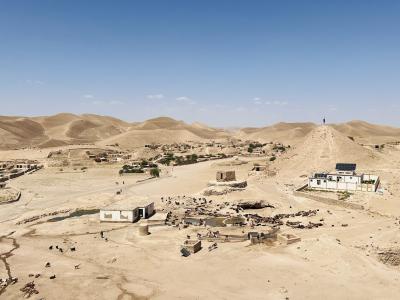
No papers, no school, no food: the triple lock trapping displaced children in Syria
In northwest Syria, displaced children face hunger, lost identity, and no education—while shrinking aid threatens a generation’s future.
article / June 4, 2026
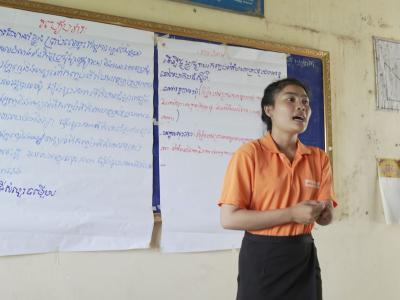
Advancing Sexual and Reproductive Health and Rights across Asia and the Pacific
World Vision partners and experts unite to advance Sexual and Reproductive Health and Rights (SRHR) across communities in Bangladesh, Cambodia, Laos, Nepal, and Timor-Leste.
article / June 17, 2026
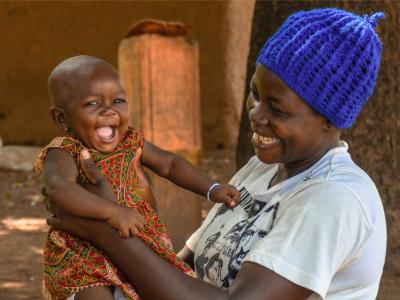
DR Congo: Through the Positive Deviance Approach, Médiatrice Transforms Her Daughter’s Life in Gemena
In Gemena, South-Ubangi Province, a mother’s determination, combined with World Vision’s Positive Deviance Hearth approach, helped her underweight daughter regain her health and thrive. After learning practical nutrition skills and receiving livelihood support, Médiatrice transformed her family’s well-being, creating a sustainable source of income and ensuring better nutrition for her children. Her story highlights how integrating nutrition education with economic empowerment can build lasting resilience and give children a healthier future.
article / June 7, 2026
World Vision Zambia and Zamtel Launch Partnership to Keep Girls in School
In rural Zambia, menstrual poverty remains a significant barrier to education for thousands of girls. For many, missing up to four or five days of school every month, not because of illness or absence of will, but because of a lack of menstrual hygiene products, is simply the reality of life.
article / June 9, 2026
Planting Seeds of Faith and Peace: Inside the Bible Reading Clubs in Eastern DR Congo
This inspiring article highlights how World Vision's Let the Children Come (LCC) project is transforming the lives of children in eastern Democratic Republic of Congo through Bible Reading Clubs. Operating in areas affected by conflict, disease outbreaks, and social challenges, the initiative provides children with spiritual guidance, literacy support, and life skills through regular Bible reflection sessions. Through the personal testimonies of Bright and Christophe, readers discover how these clubs help children develop positive behaviour, strengthen their faith, learn to read, and embrace values such as obedience, forgiveness, and peacebuilding. The article also showcases the role of trained Sunday school facilitators, the distribution of thousands of Bibles and educational materials, and the integration of critical health messages, including Ebola prevention. Ultimately, the story demonstrates how Bible Reading Clubs serve as safe spaces where children can heal, learn, and grow, while calling for the expansion of this proven model to reach more vulnerable children across the region.
publication / June 18, 2026
Stories of Change - Farmer Managed Natural Regeneration (FMNR)
Stories of how FMNR and complementary approaches restored landscapes, strengthened livelihoods and built climate resilience in Kenya's Central Rift.
article / June 17, 2026
When the Funding Ends, What Remains?
As SPIR II nears its conclusion, a visit to Boke reveals what lasting change looks like beyond project timelines. Meet Firi, a mother whose journey from food insecurity to community leadership shows what resilience can mean for children and families.