
press release / September 3, 2026
New EU-Funded Project to Restore Safe, Inclusive Education for Over 22,000 Conflict-Affected Children in the West Bank
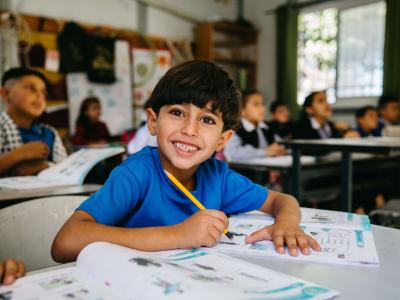
World Vision, in partnership with the Teacher Creativity Center (TCC) and the Palestinian Ministry of Education, today announced the launch of a new EU-funded two-year project to safeguard access to safe, inclusive and dignified education for the most vulnerable conflict-affected children across the West Bank.
publication / September 4, 2026
Global Accountability Report 2025
Explore World Vision's 2025 Accountability Report, highlighting transparency, safeguarding, financial stewardship, resilience, and community impact.
publication / September 2, 2026
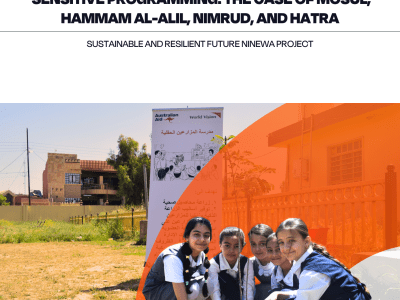
Context and Conflict Analysis: Sustainable and Resilient Future Ninewa Project
Explore World Vision’s Context and Conflict Analysis for Ninewa, Iraq, examining conflict dynamics, livelihoods, climate pressures, inclusion, and opportunities to strengthen resilience and social cohesion.
article / September 1, 2026
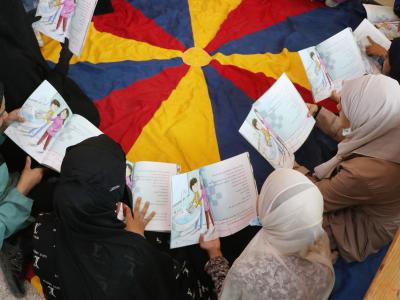
The Fig Tree That Wouldn't Die: Storytelling Idea Helps Syrian Kids Go Green
After being displaced from Syria, Lamiaa Soluiman launched a storytelling imitative with World Vision to teach children about environmental responsibility.
publication / August 20, 2026
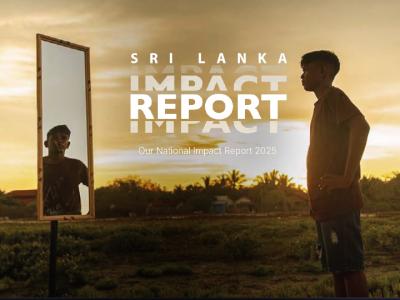
WV Sri Lanka Impact Report 2025
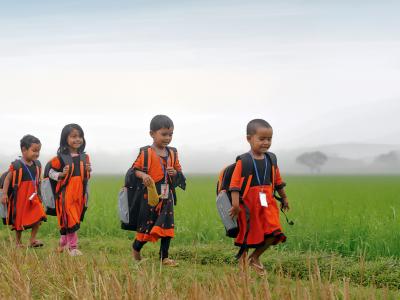
Explore World Vision Sri Lanka’s 2025 Impact Report and discover the stories, progress and impact created alongside children, families and communities across Sri Lanka.
article / August 31, 2026
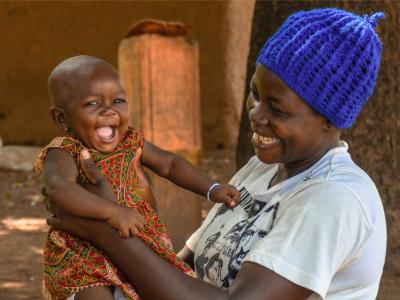
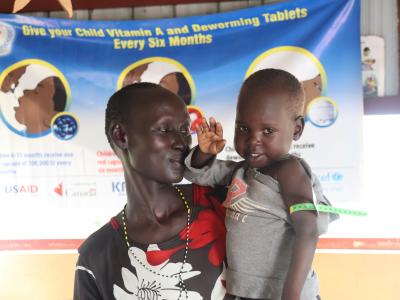
From depletion to delight: How little Chol found his smile Again
“Chol's recovery is a testament to the power of timely intervention and a mother's dedication. When Adut first arrived, she was anxious. But she followed every feeding instruction perfectly. Seeing Chol walk out of our clinic healthy, and thriving is exactly why we do this work every day,” adds Aluel Teresa, World Vision’s Community Nutrition Worker.
article / August 31, 2026
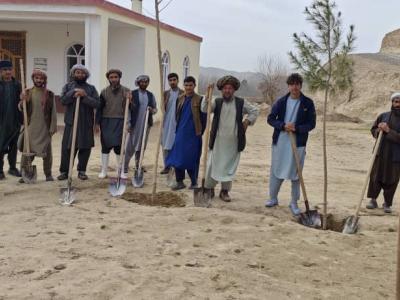
Empowered to Respond: A Community Building Its Own Resilience
In Faryab, a community-based disaster management group is responding to floods, fires and other risks, protecting lives, livelihoods and building resilience.
article / August 21, 2026
From Shea Nuts to Shaping Futures: How the THRIVE 2030 Project Is Transforming Households in Kuboko
The THRIVE 2030 Project is reducing poverty in vulnerable households by building capacity, linking producer groups to market value chains, and helping communities embrace sustainable environmental practices.