publication / September 2, 2026
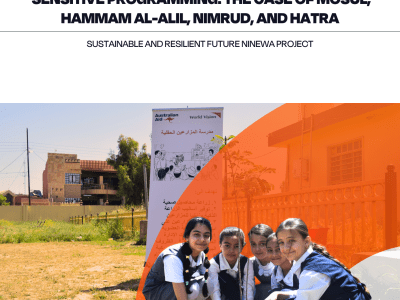
Context and Conflict Analysis: Sustainable and Resilient Future Ninewa Project
Explore World Vision’s Context and Conflict Analysis for Ninewa, Iraq, examining conflict dynamics, livelihoods, climate pressures, inclusion, and opportunities to strengthen resilience and social cohesion.
publication / August 26, 2026
POLICY BRIEF: Debt for What?
This policy brief on public debt utilisation in Kenya and Zambia, examining how borrowed resources translate into development outcomes
article / September 3, 2026
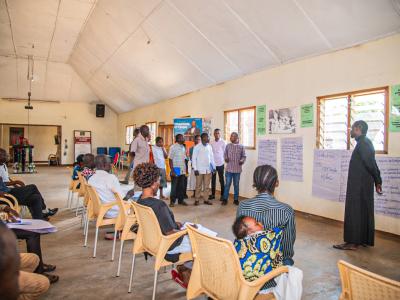
DRC: Mobilizing Faith Leaders to Curb the Spread of Ebola Through Channels of Hope
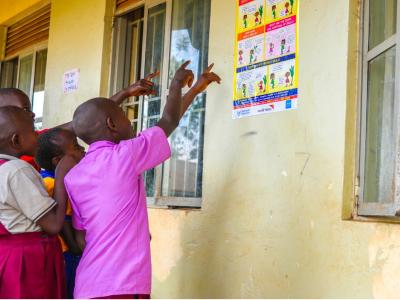
This article explores how World Vision's Channels of Hope (CoH) approach is supporting the fight against Ebola in Ituri Province by engaging religious leaders and communities. By training faith leaders to deliver culturally relevant health messages, the programme helps build trust, reduce stigma, and encourage the adoption of preventive measures. Through testimonies from health professionals and religious leaders in Nyakunde, the story demonstrates that defeating Ebola requires not only medical interventions but also strong community engagement and trusted local voices.
article / August 23, 2026
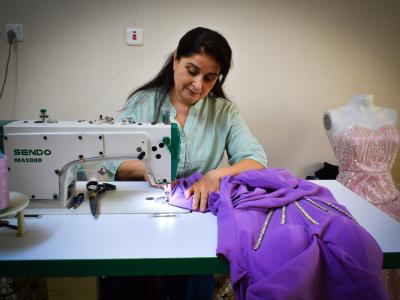
"What If I Ruin It?”: From one pair of trousers to a livelihood of her own
Sahira turned her sewing skills into a growing livelihood, gaining confidence, income and new opportunities to support her family.
publication / September 6, 2026
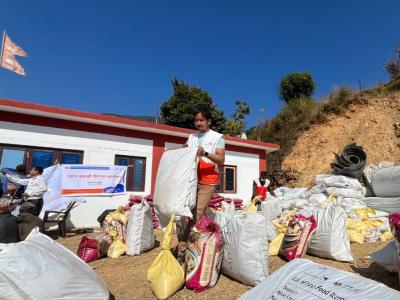
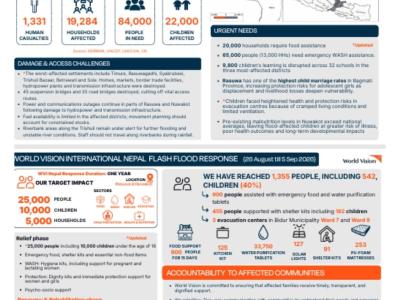
Situation Report 3: Nepal Flash Floods 2026
Situation Report 3: Nepal Flash Floods 2026
publication / September 4, 2026
Global Accountability Report 2025
Explore World Vision's 2025 Accountability Report, highlighting transparency, safeguarding, financial stewardship, resilience, and community impact.
publication / September 4, 2026
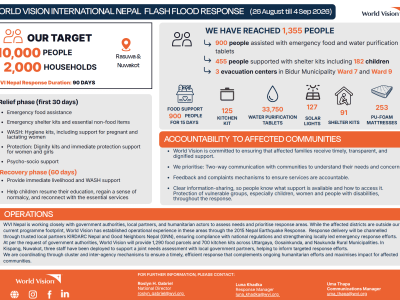
Situation Report 2: Nepal Flash Floods Response 2026
World Vision Reaches 1,355 People Following Nepal Flash Floods
article / August 21, 2026
At the Frontline of Crisis and Recovery
From earthquakes to landslides, Nanda Budha reflects on leading humanitarian responses and standing with communities in crisis.