article / August 27, 2026
Early Childhood Education Transforms a Mother and Son’s Lives
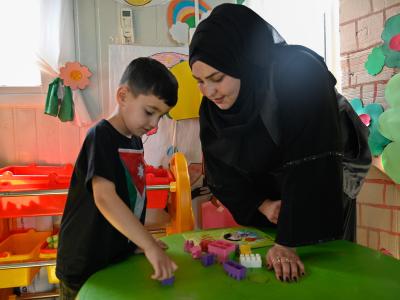
World Vision Syria Response’s inclusive education project in Sahab is helping children like Talal and Aya overcome learning barriers, build confidence, and participate fully alongside their classmates. Across 11 schools and kindergartens in Jordan, the project is creating supportive learning environments where every child has the opportunity to learn, belong, and thrive.
article / August 21, 2026
At the Frontline of Crisis and Recovery
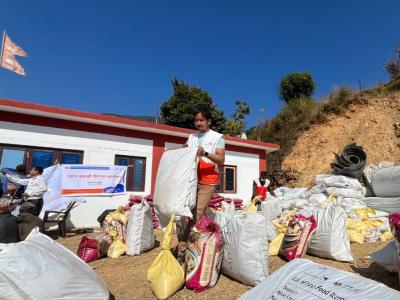
From earthquakes to landslides, Nanda Budha reflects on leading humanitarian responses and standing with communities in crisis.
press release / August 25, 2026
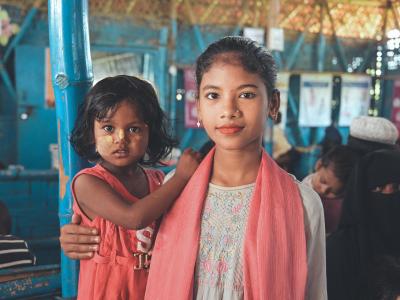
Nine Years of Struggle: Rohingya Children Caught Between Climate Disasters and Plunging Aid
Nine years into protracted displacement, escalating climate disasters and a 24% aid cut threaten 1.2 million Rohingya refugees, prompting World Vision to call for global responsibility-sharing and durable, nexus-driven solutions for children and host communities.
article / August 27, 2026
World Vision Ghana Calls for Enhanced Border Preparedness as Humanitarian Pressures Rise in West Africa
World Vision Ghana is urging stronger border surveillance and humanitarian preparedness as insecurity and climate shocks in Burkina Faso increase displacement pressures across West Africa, threatening vulnerable communities along Ghana's northern frontier.

article / August 21, 2026
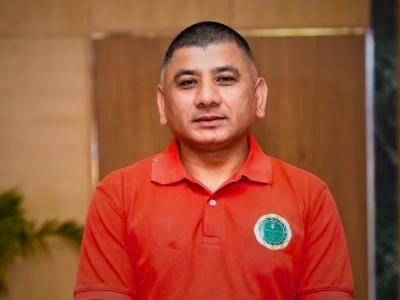
Standing with Children Through Crisis and Recovery
Having lived through the 2015 earthquake himself, Surendra Ratna Shakya has dedicated his career to supporting vulnerable children and families through crisis and recovery.
publication / August 28, 2026
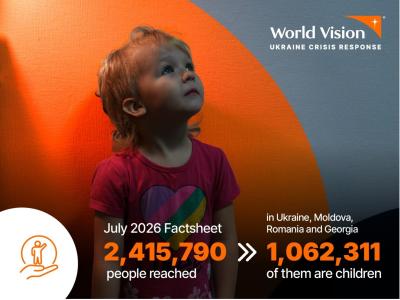
Over 2.4M Lives Supported: July 2026 Factsheet
As of July 2026, World Vision Ukraine Crisis Response has provided critical assistance to 2,415,790 people across Ukraine, Moldova, Romania and Georgia.
article / August 20, 2026
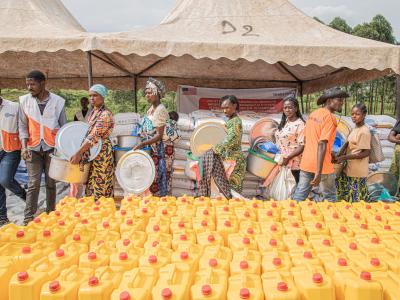
In Nyiragongo and Masisi, 8,000 households regain prospects thanks to the Emergency Response project
This article highlights how World Vision’s Emergency Response project in Nyiragongo and Masisi is helping 8,000 crisis-affected households rebuild their livelihoods and regain hope. Through vocational training, income-generating activities and livelihood kits, women and families have gained practical skills, increased their self-reliance and strengthened their ability to meet their children’s basic needs. Their stories demonstrate how economic empowerment can restore dignity, resilience and confidence among displaced and vulnerable communities.
article / August 6, 2026
New Paediatric Ward Improves Healthcare for Children in Tahoua, Niger
Every year between July and December, the pediatric ward at Tahoua Regional Hospital became overwhelmed during the peak malaria season. Overcrowded rooms, children sharing beds, and limited space made it difficult for health workers to provide quality care. According to Dr. Sabo Sahabi, the hospital could not turn patients away despite the lack of capacity, resulting in poor hygiene, challenging working conditions, and discomfort for both patients and caregivers.
After witnessing these conditions during a hospital visit in 2021, the women staff of World Vision International Niger decided to take action. They supported the construction of a new pediatric ward, completed in 2023 and officially handed over in 2024. Equipped with 12 beds, mattresses, fans, medical furniture, and air conditioning, the ward now provides a safer and more comfortable environment for sick children.
Used mainly during the malaria season, the new ward has eased overcrowding, improved patient care, and created better working conditions for medical staff, bringing lasting hope to the hospital and the families it serves.
article / August 24, 2026
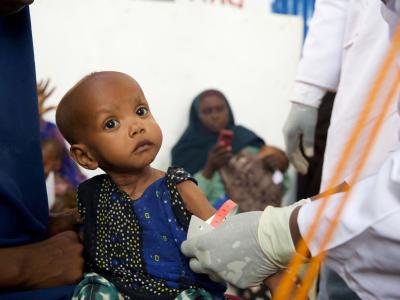
“I Dont Want My Children to Die of Hunger”: One Family's Fight Against a Famine Somalia Has Seen Before
As funding dwindles, needs are outpacing resources in Somalia. Some locations are already showing famine conditions as humanitarian organisations scale down or close operations.