publication / August 2, 2026
Climate Action, Resilience and Sustainable Livelihoods Capacity Statement
Climate Action, Resilience and Sustainable Livelihoods Capacity Statement
article / August 3, 2026
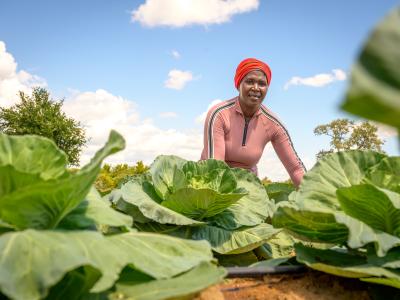
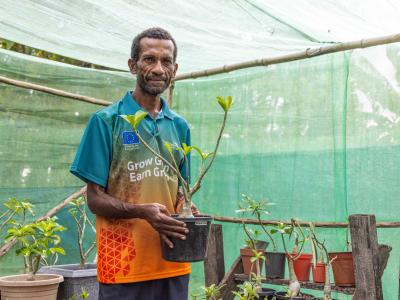
Growing Change Through Floriculture in Nasuapum
William Zanekgo, a floriculture leader from Nasuapum, transformed his agricultural expertise into a thriving community enterprise through World Vision’s EU-supported Flower Power Project, empowering women, youth, and people with disabilities to improve livelihoods and promote sustainable development
article / August 6, 2026
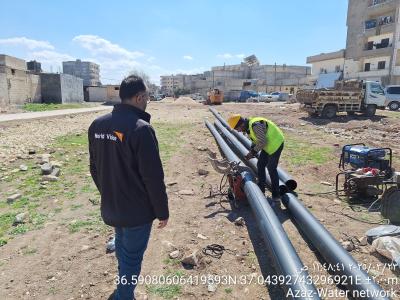
World Vision Syria Response: Adapting Urban and Peri-Urban WASH Programming in Earthquake-Affected Northwest Syria
Learn how sustainable water, sanitation and renewable energy solutions helped vulnerable communities recover in Northwest Syria.
article / August 6, 2026
THRIVE Project – Story of Change Harona finds hope at home
For years, Harona believed that success could only be found beyond Senegal's borders.
"I thought the only way to build a better future was to leave," he recalled.

article / July 30, 2026
The Letter That Changed a Little Girl's Future
When Linh was eight years old, she believed the most exciting thing that could happen at school was hearing her teacher call her name.

article / July 8, 2026
Grilled frogs with Sticky Rice for Lunch Put a Smile on the Faces of the KaSua Family
In Vapy, Laos, the SUAN project empowers KaSua’s family with frog‑raising, improving nutrition, income, and gender equality at home.

article / July 8, 2026
Seeds of Change: How Climate-Smart Farming Helped Salam Build a Better Future
Climate-smart agriculture helped Salam, a farmer in Thiqar, Iraq, increase his harvest, improve his family's income, and build a more resilient future.

article / August 10, 2026
From Silence To Leadership: Girls Finding Their Voice and Shaping Change
After leaving school and withdrawing from community life, Argentina found her voice through Every Girl Can, becoming a youth advocate for better services and girls’ rights in Mozambique.

article / August 11, 2026
When Girls Find Their Voice: Ludmila’s Journey to Change
Young advocate Ludmila is helping transform childhood in Nampula through Every Girl Can, challenging child marriage, promoting gender equality and empowering young voices to drive community change.

article / August 3, 2026
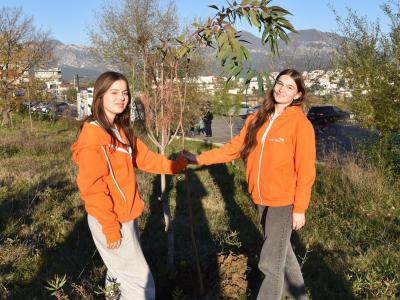
From forgotten space to community landmark: How young people sparked change at Paskuqani Lake, Albania
In Kamëz, Albania, young people from WV Albania’s IMPACT clubs led the transformation of Paskuqani Lake from a neglected, polluted area into a vibrant 84-hectare green park. What began with youth-led tree planting and community murals was championed by the local municipality, Environmental Agency, and local businesses - unlocking wider investment in playgrounds, walking and cycling paths, and restored green spaces.
The initiative has revived local biodiversity, strengthened community pride, and created a thriving public space. It shows how empowered youth and committed local government can work together to drive lasting environmental change.