video / August 21, 2026
Ebola Outbreak Reaches Critical Turning Point as World Vision Calls for Urgent Action
As Ebola cases continue to rise across eastern Democratic Republic of the Congo, the humanitarian response is at a critical turning point. In a recent media interview with Al Jazeera Media Network, World Vision DRC's East Zone Director, David Munkley, warned that the outbreak has exceeded all expectations, with daily cases increasing dramatically and the disease spreading into new health zones. He highlighted the urgent need for greater investment in prevention, community engagement and frontline health services, stressing that trusted local voices - including faith leaders, schools, community leaders and health workers - are essential to building confidence and helping communities adopt life-saving measures. Above all, he called for stronger support to protect children and families who remain at the heart of this crisis. Watch the full interview below and join us in raising awareness of the urgent need for collective action.

press release / August 26, 2026
Flash flood devastates Rasuwa and Nuwakot, leaving 162 dead and over 400 missing; World Vision International Nepal readying humanitarian response
Copilot said:
Flash floods in Rasuwa and Nuwakot have caused widespread devastation, leaving 95 dead and nearly 400 missing. WVI Nepal is preparing emergency food and shelter assistance for affected families.
publication / August 17, 2026
FY25 Annual Report | World Vision Central African Republic
Explore World Vision Central African Republic’s FY25 results in health, nutrition, education, child protection, WASH, and humanitarian response, improving the lives of the most vulnerable children and communities across the country.
publication / August 17, 2026
Rapport Annuel FY25 | World Vision République Centrafricaine
Explorez les résultats FY25 de World Vision RCA : santé, nutrition, éducation, protection de l’enfant, WASH et action humanitaire au service des enfants les plus vulnérables
publication / August 26, 2026
POLICY BRIEF: Debt for What?
This policy brief on public debt utilisation in Kenya and Zambia, examining how borrowed resources translate into development outcomes
press release / August 25, 2026
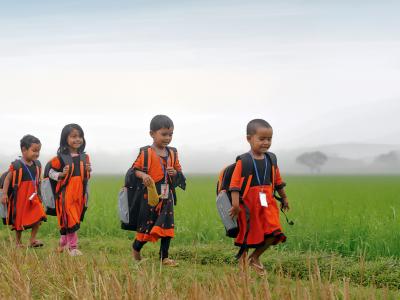
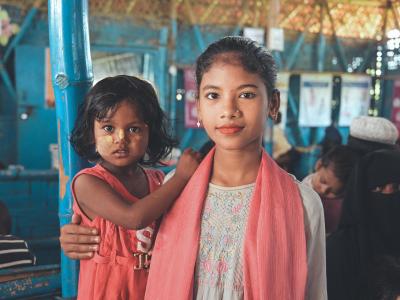
Nine Years of Struggle: Rohingya Children Caught Between Climate Disasters and Plunging Aid
Nine years into protracted displacement, escalating climate disasters and a 24% aid cut threaten 1.2 million Rohingya refugees, prompting World Vision to call for global responsibility-sharing and durable, nexus-driven solutions for children and host communities.
video / August 21, 2026
Saving Lives on the Front Lines: Honouring Ebola Responders This World Humanitarian Day
This video highlights the courage and challenges faced by Ebola responders in the DRC, where misinformation, community resistance and security risks complicate efforts to contain the outbreak. Christian Kasereka shares how World Vision is using faith-based Channels of Hope to build trust, strengthen community engagement and help save lives, while calling for greater protection of humanitarian workers.
article / July 1, 2026
World Vision Ghana leads national sanitation dialogue as government makes sanitation a key performance measure for local government leaders
World Vision Ghana convened national stakeholders to advance sanitation in Ghana, as government makes sanitation a key performance measure for local government leaders.