
publication / August 17, 2026
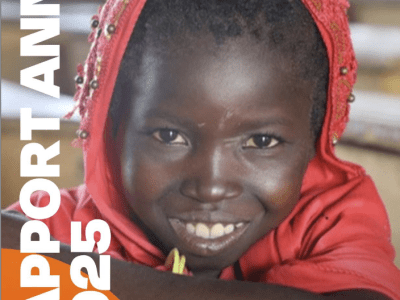
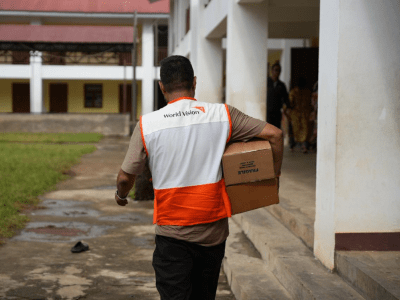
FY25 Annual Report | World Vision Central African Republic
Explore World Vision Central African Republic’s FY25 results in health, nutrition, education, child protection, WASH, and humanitarian response, improving the lives of the most vulnerable children and communities across the country.
publication / May 25, 2026
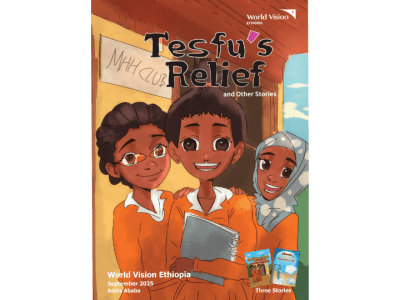
Tesfu’s Relief and Other Stories
Download World Vision Ethiopia’s menstrual health and hygiene awareness comic book, designed to spark safe, informed conversations in communities.
article / July 16, 2020
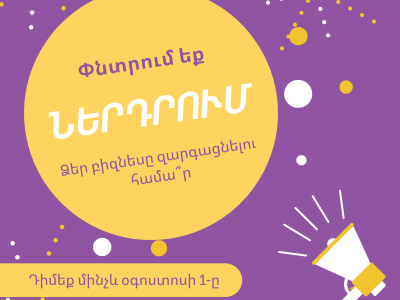
Within its’ Impact Investment Activities World Vision Armenia announces a call for business proposals
About World Vision Armenia
article / June 24, 2020
Աջակցություն սիրիահայերին, տեղաբնակներին ու տեղահանված և կոնֆլիկտից տուժած անձանց
«Կայուն լուծումներ տեղահանված եւ կոնֆլիկտից տուժած անձանց ինտեգրման համար» (SSIDCAP) ծրագրի շրջանակներում Վորլդ Վիժն Հայաստանը հայտարարում է նոր նախաձեռնության մեկնարկի մասին՝ աջակցություն սիրիահայերին, տեղաբնակներին և առհասարակ տեղահանված
article / August 5, 2020
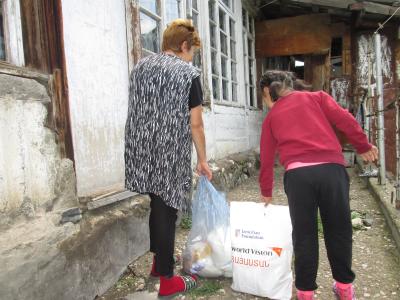
World Vision reaches 1100 more families as part of its COVID-19 response, with funding from Izmirlian Foundation
The outbreak of COVID-19 globally brought significant challenges in the lives of the most vulnerable and extremely poor families across the globe, including Armenia.
article / July 16, 2021
Optimism is half battle won
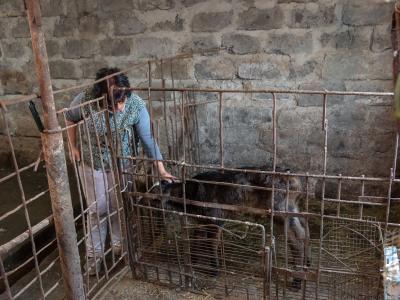
Ophelia lives with her big family in one of the communities of Amasia, Shirak Marz, Armenia.
article / August 24, 2021
Strengthening Mauritanian civil society organisations for local development
In cooperation with World Vision and the NGO Tenmya, the European Union initiated in 2016 a project of capacity-building and restructuring of civil society in Mauritania through the European Programme for Civil Society and Culture (FED/PESCC).
article / December 11, 2020
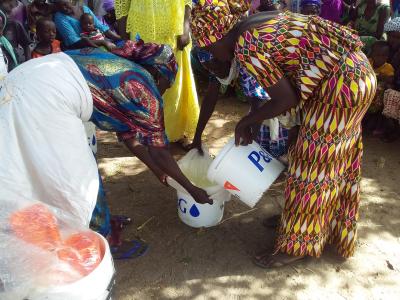
Safe drinking water to improve children's well-being
In several parts of Senegal, access to drinking water remains a problem. World Vision's Senegal office, in partnership with World Vision's United States office, is implementing a project called “Safe drinking water for Senegal” to contribute to access to clean water in quantity and quality in the most disadvantaged areas of Kédougou, Tambacounda, and Kolda regions.
press release / September 17, 2020
Inundaciones y deslaves masivos afectan a miles en Aragua, Venezuela
Reportan casas, edificios e infraestructura dañados o destruidos
Desastre exacerba el sufrimiento de quienes ya padecen crisis económica y sanitaria por COVID-19