article / July 15, 2026
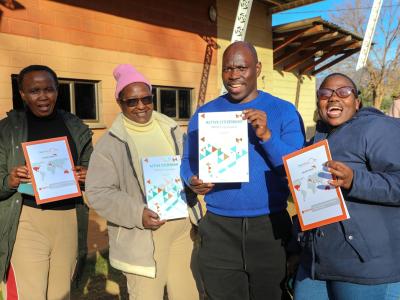
World Vision Lesotho Equips Teachers to Strengthen WASH Clubs, Active Citizenship and Disaster Preparedness
World Vision Lesotho trained 81 teachers to strengthen WASH Clubs, active citizenship and disaster preparedness, empowering learners to build healthier, safer and more resilient schools.
press release / June 24, 2026
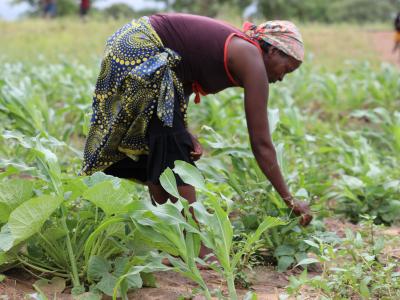
World Vision Strengthen Community Disaster Risk Reduction capacity amid the super El Niño impact forecast in Southern Africa
World Vision strengthens community resilience in Southern Africa through Disaster Risk Reduction as a forecasted super El Niño threatens drought and floods in Mozambique.
article / July 21, 2026
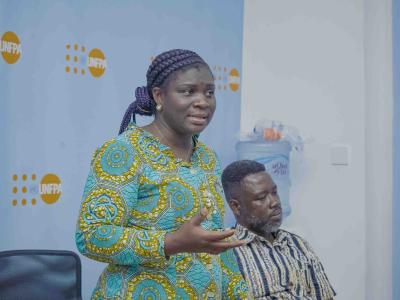
World Vision Ghana, UNFPA Validate Findings on Health Facility Readiness in Disaster-Prone Areas
World Vision Ghana, UNFPA, the Ministry of Health, and Ghana Health Service validate findings from an assessment of health facility readiness to deliver essential maternal and reproductive health services in disaster-prone areas across Ghana.
publication / July 30, 2026
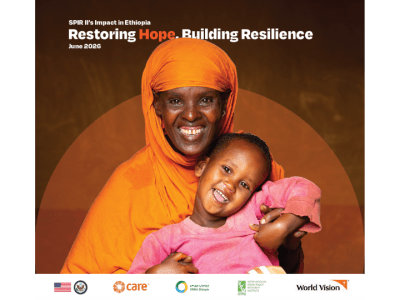
Restoring Hope, Building Resilience
Explore the SPIR II project journey, achievements, and stories of change as World Vision Ethiopia and partners strengthened resilience, food security, and livelihoods.
publication / July 14, 2026
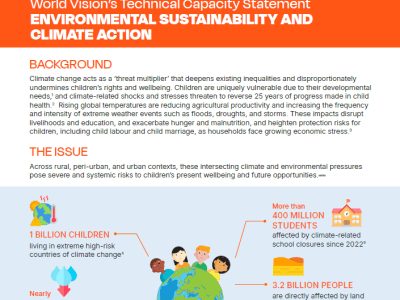
World Vision’s Technical Capacity Statement - Environmental Sustainability and Climate Action
Discover World Vision’s climate action impact across 69 countries—restoring land, training communities, and building resilience for children.
publication / July 27, 2026
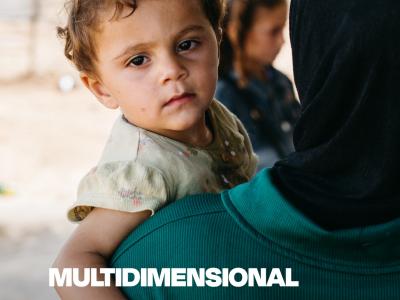
Multidimensional Child Vulnerability in the Middle East and Eastern Europe
This unique tool developed by World Vision and IEP helps better track and compare measures of child vulnerability, underscoring the urgent needs of children.
press release / July 30, 2026
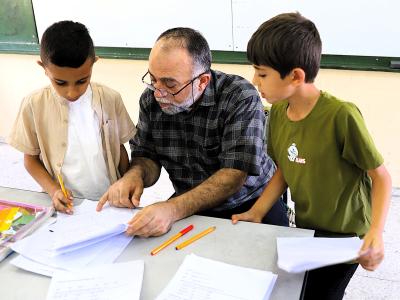
Nearly 24,000 Palestinian Children, Teachers and Caregivers Reclaim Safe Learning in the West Bank
The project restored safe access to education and psychosocial support for nearly 24,000 children, teachers and caregivers in the West Bank.
article / July 20, 2026
Before They Fled: How Early Action Protected a Childhood Stolen by Crisis
World Vision Lebanon’s anticipatory action enabled rapid support for displaced families and protected children like Ali during Lebanon’s crisis.

article / July 17, 2026
In Goundam, a water point is transforming the daily lives of displaced families
A World Vision-supported water project is improving access to clean water and creating livelihood opportunities for nearly 500 displaced households in Goundam, Mali.

press release / July 19, 2026
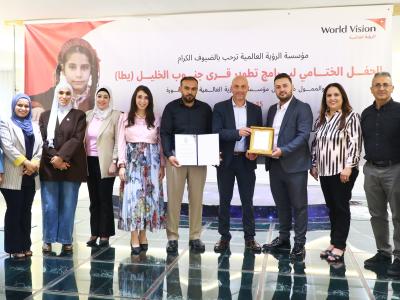
World Vision Marks the Conclusion of 16 Years of Partnership and Sustainable Development in South Hebron
World Vision marks the successful conclusion of its 16-year South Hebron Area Programme, celebrating lasting partnerships and sustainable development for children.