article / April 8, 2021
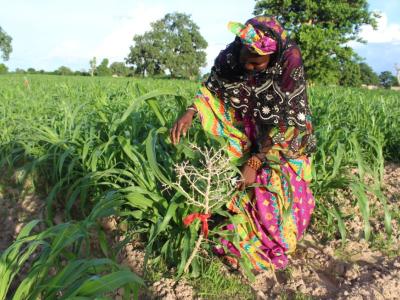
De la chaleur de Cambessa à la verdure de Baboulaye: Le destin d’une récidive à l’émigration clandestine
« Je m’appelle Babacar NDONGU, 45 ans. J’habite à Dioffior dans le quartier de Ndouk, et je suis père de six enfants (moins de 12 ans). J’ai fait quatre tentatives à l’émigration clandestine entre 2017 et 2020.
article / December 3, 2020
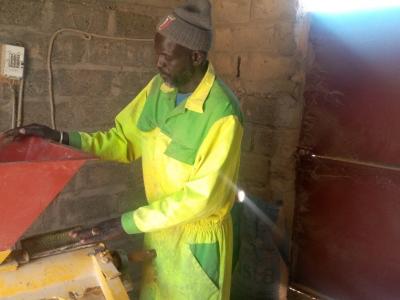
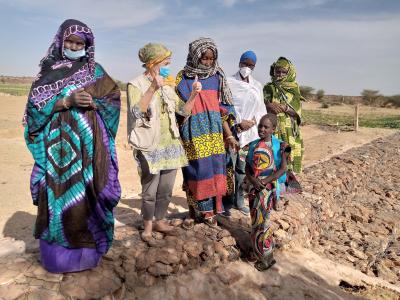
UNICEF Regional Director for West and Central Africa makes an official visit to Assaba with World Vision
The one-year Project for Strengthening the Resilience of the Communities Most Vulnerable to Malnutrition and Food Insecurity is implemented in six Mauritanian Communes of the Moughataa of Kiffa in the Wilaya of Assaba. This visit allowed Ms. Marie Pierre Poirier to exchange with project beneficiaries, as well as with administrative authorities and the technical team in charge of implementation and monitoring.
publication / August 17, 2026
Rapport Annuel FY25 | World Vision République Centrafricaine
Explorez les résultats FY25 de World Vision RCA : santé, nutrition, éducation, protection de l’enfant, WASH et action humanitaire au service des enfants les plus vulnérables
video / June 17, 2020
Formation des leaders religieux dans la région de Kolda pour combattre la COVID-19
World Vision travaille en collaboration avec des chefs religieux pour lutter contre la COVID-19 sous son modèle de 'Canaux de l'Espoir', qui les équipent à répondre dans leurs communautés à travers ces sept étapes:
article / August 18, 2020
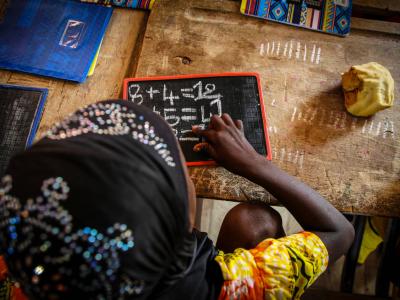
Clubs de lecture adaptés: Du livre à l'enfant
«La COVID-19 a fermé notre école. Cependant grâce aux bénévoles communautaires de World Vision, qui m'ont rendu visite régulièrement à la maison avec des livres, j’ai pu continuer à lire et à réviser.
press release / September 17, 2020
Inundaciones y deslaves masivos afectan a miles en Aragua, Venezuela
Reportan casas, edificios e infraestructura dañados o destruidos
Desastre exacerba el sufrimiento de quienes ya padecen crisis económica y sanitaria por COVID-19
article / August 7, 2020
Stimuler la restauration à travers les ondes
Les programmes de radio diffusent le bon travail du projet « Regreening Africa » (Reverdir l’Afrique) au Sénégal.