
article / June 8, 2026
Flood-Resilient Sanitation Is Changing Lives in Mozambique
Flood-resilient sanitation is transforming lives in Mabalane, Mozambique, where improved latrines are helping families like Lucia’s gain dignity, safety and protection from recurring floods.

video / June 10, 2026
How This Farmer in Eswatini Is A Sign of the Climate Future
In Eswatini, subsistence farmers who depend entirely on their crops and cattle to feed their families are facing two simultaneous crises: devastating floods and drought driven by intensifying El Niño and La Niña weather cycles, and the first outbreak of foot-and-mouth disease in the country in over 20 years.

article / June 3, 2026
She dreams of drinking safe clean water without fear
Ten-year-old Ayen walks daily to the Sobat River in Anackdiar Payam, where her family, displaced by conflict, relies on unsafe water for all basic needs. The contaminated river water especially during floods causes frequent illness, leaving Ayen often too weak to play. Her mother, Nyajuma, worries as sickness becomes routine for their children. Despite hardship, the community remains resilient but exhausted. Hope is emerging through a World Vision WASH project funded by the South Sudan Humanitarian Fund, which will provide safe water, sanitation, and hygiene services. For families like Ayen’s, access to clean water offers a chance for health, dignity, and a better future.

article / June 5, 2026
Innovation with Integrity: Advancing AI While Protecting Trust Across World Vision SAP
Haidy Wijaya Sung outlines how World Vision SAP balances digital transformation and AI innovation with data protection, integrity, and trust.

article / June 4, 2026
Youth Leadership: Building Peace and Gender Justice Across Asia and the Pacific
World Vision joins global partners at CSW70 to launch calls to action on youth-led advocacy, faith leader engagement, and holistic development.

publication / June 2, 2026
Corporate Partnerships for Impact
At World Vision, we believe doing good is good for business. By working with us, your business can help solve some of the
most pressing challenges in the region and contribute to a safer, brighter future for children and communities.

article / June 10, 2026
Hawa’s Story: Seeking Safety in Jabel Marra, Sudan
In Sudan, displaced children face hunger, conflict, and neglect—without urgent support, an entire generation risks being lost.

article / June 10, 2026
North-Western’s Learners Shape A Climate-Resilient Future
Mwinilunga District is one of Zambia's wettest districts, receiving abundant rainfall each year. Yet despite this natural advantage, farming communities continue to face challenges. Heavy rains can wash away fertile topsoil, leach nutrients from already fragile soils, and contribute to the siltation of streams and waterways. At the same time, changing weather patterns, including dry spells, are making it increasingly important for communities to manage water more effectively.

article / June 9, 2026
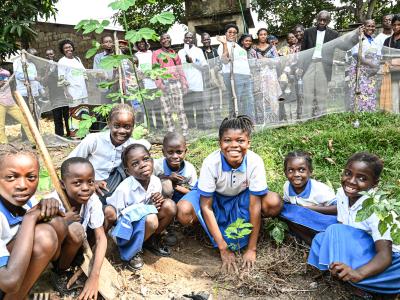
DR Congo: International Environment Day in Ngandu: The Community Mobilises for a Greener Future
To commemorate International Environment Day 2026, World Vision DRC’s Kinshasa Cluster brought together local authorities, schools, and community members in Ngandu, Kimbanseke, to promote environmental protection and climate action. Through awareness sessions, waste management demonstrations, tree-planting activities, and the distribution of waste bins to schools, the event highlighted the crucial role of children and communities in building a cleaner, healthier, and more sustainable future for generations to come.
publication / May 27, 2026
Resilience In Emergencies | Global Overview
Investing in Resilience: How World Vision Supports Children in Crisis Settings
