article / August 24, 2026
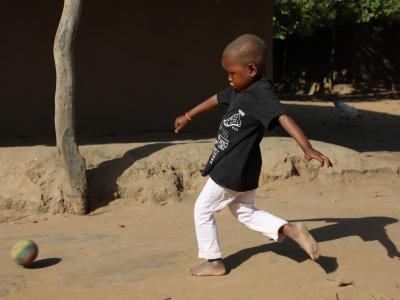
Trangelito Kicks His Way Back to Health
After battling severe acute malnutrition and malaria, five-year-old Trangelito regained his strength with timely medical care and continued support from community volunteers in Monapo.
article / August 24, 2026
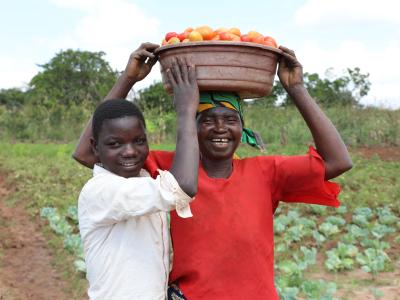
A Harvest That Put a Child Back in School
In Monapo, Mozambique, improved farming incomes through World Vision are helping children like 14-year-old Evanildo return to school and pursue their dreams.
article / August 24, 2026
From Flood Recovery to Malaria Prevention in Gaza
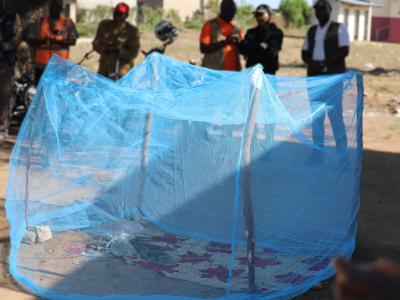
Malaria risk rises in Mozambique’s Gaza Province after floods, prompting a major mosquito-net campaign to protect vulnerable families, especially children and pregnant women.
article / August 21, 2026
DR Congo: When War Overtakes Healing but Hope Prevails: The Story of GAKURU
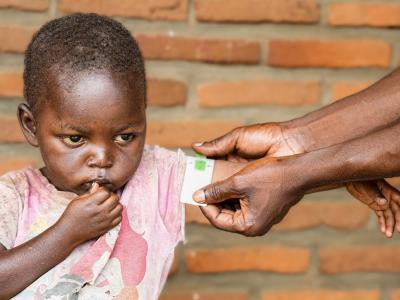
GAKURU’s story illustrates the devastating impact of conflict and displacement on children facing malnutrition in eastern Democratic Republic of the Congo. After recovering from severe acute malnutrition with support from World Vision, two-year-old GAKURU was forced to flee with his family when violence swept through his village, leading to a relapse. Through continued nutritional support and follow-up care, he eventually recovered. His journey highlights the resilience of children and families living through crisis, while showing how World Vision’s Nexus Accelerator Fund continues to provide life-saving nutrition support in hard-to-reach and conflict-affected communities.
article / August 6, 2026
Second Operating Room at the Dosso Mother-and-Child Center: A Life-Saving Donation
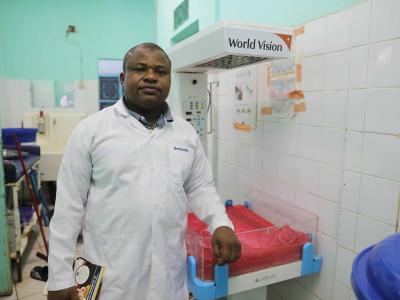
On Nigerien National Women's Day, the women staff of World Vision Niger donated essential medical equipment to the Dosso Mother and Child Health Center, enabling the facility to fully operate a second operating theatre. Before the donation, the center had only one functional theatre, making it difficult to meet the growing demand for emergency obstetric and gynecological surgeries. According to Dr. Bacharou Adamou Mamane Sani, the lack of equipment and partners often delayed life-saving interventions. The donated equipment including an operating table, surgical lights, cesarean and gynecological surgical kits, warming lamps, and an oxygen concentrator has transformed surgical services. With two operational theatres, the center can now treat more than 15 patients daily, significantly reducing waiting times and improving emergency care. The new equipment has also enhanced working conditions for healthcare staff and contributed to reducing maternal and newborn mortality. Dr. Bacharou expressed his gratitude to World Vision Niger, emphasizing that this timely support has strengthened healthcare services and brought lasting benefits to women, newborns, and the wider Dosso community.
article / August 6, 2026
When Equipment Becomes a Key to Quality Care at the Dosso Mother-and-Child Center
Every day, the Dosso Mother and Child Health Center receives dozens of women seeking timely and quality maternal healthcare. However, increasing demand for obstetric and gynecological services had long challenged the facility due to limited medical equipment. To address this need, the Women of World Vision Niger donated essential equipment, including surgical lights, a modern operating table, cesarean and gynecological surgical kits, infant warming lamps, and an oxygen concentrator.
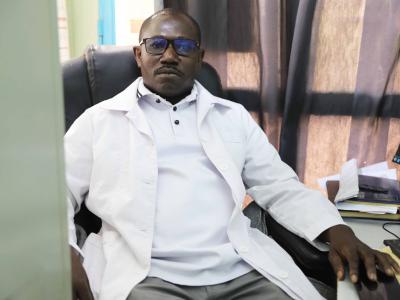
According to Kidarou Hima, General Supervisor of the health center, the donation has transformed the operating theatre by improving the efficiency of surgical procedures and reducing waiting times for emergency cases. Medical teams now have reliable equipment readily available, enabling them to provide faster, safer, and higher-quality care for women and newborns.
The improved working conditions have also increased staff motivation and confidence. Grateful for this support, the health center acknowledges that the donation has significantly strengthened maternal healthcare services and directly benefits the communities it serves through better and more timely medical care.
publication / June 25, 2026
ENOUGH 2025: Driving Progress to End Child Hunger and Malnutrition
ENOUGH 2025, presents key developments in policy, programmes and partnerships three years into the campaign
publication / August 26, 2026
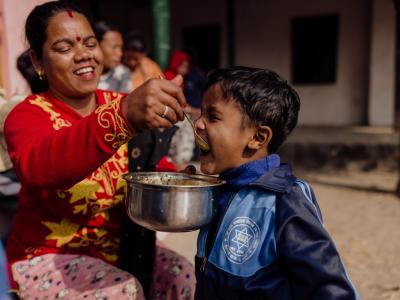
POLICY BRIEF: Debt for What?
This policy brief on public debt utilisation in Kenya and Zambia, examining how borrowed resources translate into development outcomes
article / July 15, 2026
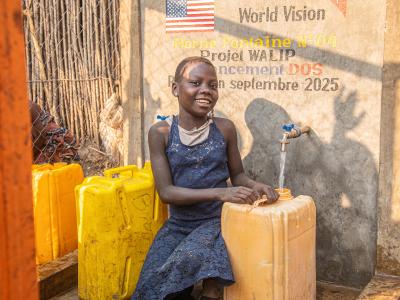
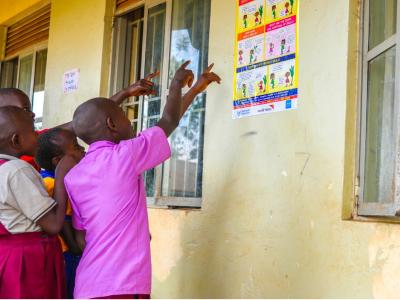
DR Congo: Clean Water and Better Hygiene Are Transforming Lives in Bambo and Kibirizi Health Zones
This human-interest article highlights how access to safe drinking water is transforming lives in the Bambo and Kibirizi Health Zones of North Kivu, eastern Democratic Republic of the Congo. It showcases the impact of a World Vision WASH project, funded by the U.S. Department of State, in improving access to clean water, promoting hygiene and sanitation practices, and reducing waterborne diseases. Through the voices of community members, children, parents, and health officials, the story illustrates tangible improvements in health, school attendance, personal hygiene, and community well-being. It also demonstrates how behavioural change, combined with sustainable water and sanitation infrastructure, is fostering healthier and more resilient communities. While celebrating the project's achievements, the article underscores the continued need to expand water and sanitation services so that every family can benefit from safe, reliable access to clean water.