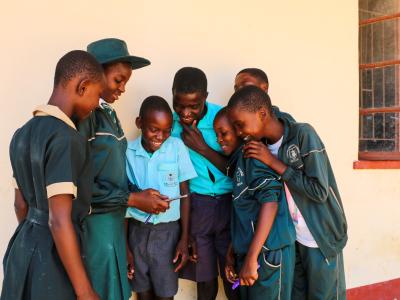
press release / June 5, 2026
World Vision Launches "I'm Wearing the 10 for Children," a Regional Mobilisation for Child Protection
World Vision launches “I’m Wearing the 10 for Children,” a regional campaign mobilising action to protect children across Latin America.
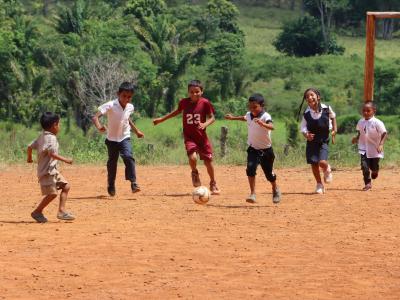
publication / June 10, 2026
Resilience In Emergencies | Global Capacity Statement
Resilience in emergencies helps protect children from hunger and crisis, so they can survive today and build a safer future tomorrow.
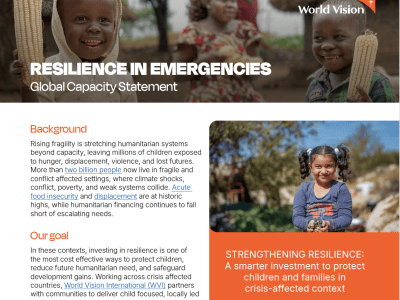
press release / June 5, 2026
New Displacement Across Lebanon Deepens Humanitarian Needs for Children and Families
World Vision Lebanon calls for urgent support as more than 1.3 million people are displaced across Lebanon. Children face growing risks amid repeated displacement, overcrowding, and limited access to essential services.
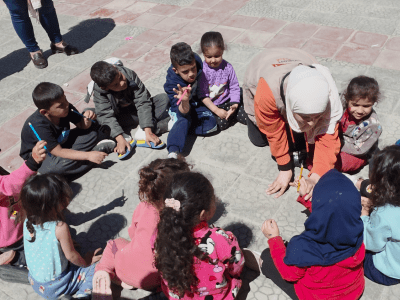
article / June 10, 2026
World Vision Eswatini Strengthens Staff Capacity on Citizen Voice and Action
World Vision Eswatini has launched a week-long Citizen Voice and Action training to strengthen staff capacity in promoting community participation, collaboration, and sustainable improvements in children's well-being.

article / June 11, 2026
Learning Roots Sparks New Momentum for Early Childhood Education in Chad
Discover how Learning Roots strengthens childhood education in Chad through play-based learning teacher training, and partnerships supporting school readiness.

article / June 8, 2026
A New Partnership for Healthier Childhoods: World Vision and Millennium BIM Launch Zero Malnutrition Project
Mozambican bank institution partners to boost nutrition and reduce high levels of malnutrition among children.

publication / June 11, 2026
In the Shadow of Hunger: The Power of Self-Reliance to Protect Children and Restore Hope
In the Shadow of Hunger: The Power of Self-Reliance to Protect Children and Restore Hope
article / June 5, 2026
Innovation with Integrity: Advancing AI While Protecting Trust Across World Vision SAP
Haidy Wijaya Sung outlines how World Vision SAP balances digital transformation and AI innovation with data protection, integrity, and trust.

article / June 10, 2026
New Children's Consultative Forum Gives Eswatini's Children a Stronger Voice in Shaping Their Future
Eswatini launched the National Children's Consultative Forum during the 2026 Month of the Child, creating a platform for children to influence policies and decisions affecting their lives while advancing children's rights and wellbeing.

press release / June 8, 2026
G7 Principles Mark Step Forward for Children’s Safety Online
World Vision welcomes the G7 Common Set of Principles for a safer and more secure digital space for children and adolescents.