press release / Avgust 11, 2026
Empowering Vulnerable Children with Education Project Concludes with Strong Impact and Sustainability Pathway
Lusaka District, Zambia – 12th August 2026 – World Vision Zambia, in partnership with the Education Above All (EAA) Foundation, Forum for African Women Educationalists of Zambia (FAWEZA), the Ministry of Education, and, with support from the Qatar Fund for Development, proudly announces the successful completion of the Empowering Vulnerable Children with Education (EVE) Project. Over a three-year period, the EVE project has transformed the educational journey of thousands of vulnerable children in Namwala District by promoting retention, equity, and access to quality primary education.
article / Avgust 11, 2026
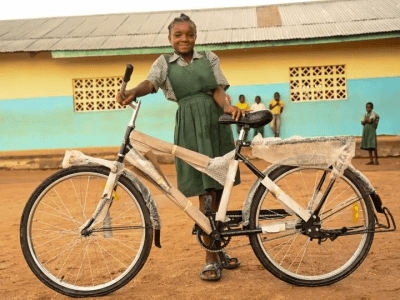
Different Contexts, Common Aspirations: 10 Ways Adolescents in Zambia are Helping Build Safer Schools
Discover how World Vision Zambia's IMPACT+ empowers youth to lead safer, inclusive schools through life skills, leadership, wellbeing, and learning.
publication / Avgust 14, 2026
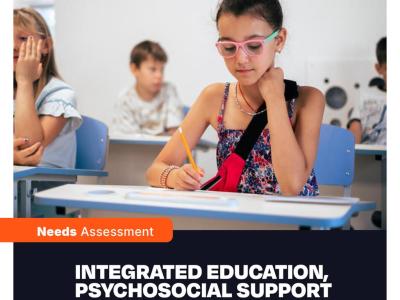
Needs Assessment: Integrated Education, Psychosocial Support and Child Protection for Children in Ukraine
World Vision’s needs assessment examines Education in Emergencies across 5 Ukrainian oblasts, focusing on safe access, learning, and child protection amid conflict.
press release / Juli 20, 2026
World Vision Zambia Welcomes National Food and Nutrition Security Policy, Calls for Stronger Action on Child Hunger
Lusaka, Zambia – Thursday, July 16, 2026: World Vision Zambia welcomes the launch of the National Food and Nutrition Security Policy by the Office of the Vice President, a major step toward addressing child hunger, malnutrition and food insecurity across Zambia. The policy shows the Government's commitment to building a Zambia where every citizen has access to adequate, safe and nutritious food, and where all forms of malnutrition are eliminated.
video / Avgust 14, 2026
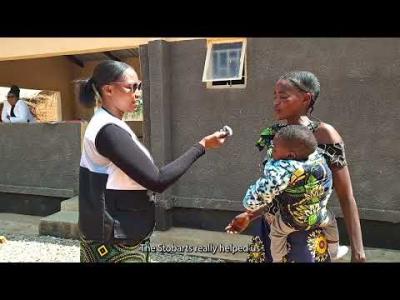
Growth Monitoring Points Giving Women and Children Dignity and Hope
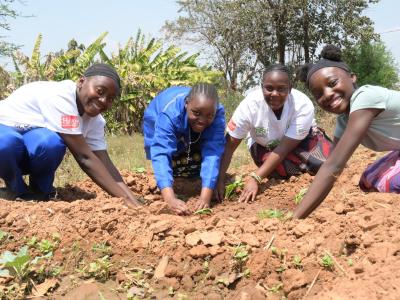
In many rural communities across Zambia, mothers walk long distances hoping their children grow well-nourished and healthy. Growth Monitoring Points built by World Vision Zambia now stand closer to home, giving health workers a place to track a child's weight, height and overall development from the earliest months of life.
publication / Avgust 4, 2026
World Vision Kenya 2025 Impact Report
Explore World Vision Kenya’s 2021–2025 Impact Report, highlighting how 4.6 million people and 9.4 million children were reached through advocacy and transformative projects in different sectors (Child Learning and Household Resilience, Disaster Management, Climate Change and WASH)
press release / Juli 20, 2026
World Vision Zambia Calls for Greater Investment in WASH to Fight Child Malnutrition
World Vision Zambia has called on the Government to increase investment in Water, Sanitation and Hygiene (WASH) as a core strategy to tackle child malnutrition and strengthen child health outcomes.
World Vision Zambia Associate Director for Advocacy Gerald Kaputo stressed that access to safe water, adequate sanitation and proper hygiene stands as both a fundamental human right and a determinant of child nutrition, growth and survival.
video / Avgust 14, 2026
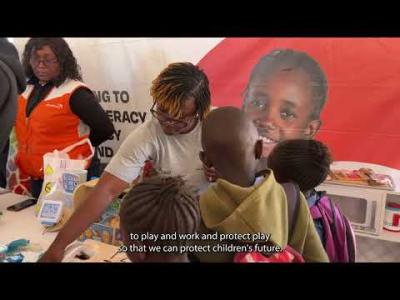
Learning Through Play
Play is not a break from learning; play is learning.
In classrooms across Zambia, children build confidence, creativity, and social skills through guided play. Structured play helps young learners grasp new concepts faster, work well with others, and develop problem-solving skills that stay with them for life.
video / Avgust 14, 2026
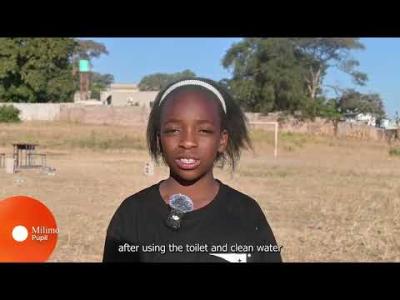
Clean Water, Dignity, and a Girl's Right to Learn
When schools lack clean water and safe toilets, girls pay the highest price. In Zambia, only 4% of schools have access to basic sanitation services, and over 2.5 million learners lack adequate hygiene facilities (UNICEF Zambia, National WASH in Schools Assessment, 2026).
article / Avgust 11, 2026
A Tablet for Two: A Start for the Unborn Child
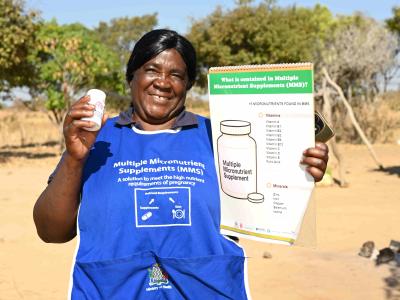
In Andileki Village, Nyawa, Baster reminds his wife Florence, seven months pregnant, to take her Multiple Micronutrient Supplement (MMS) tablet each day. When neighbours mistake the tablet for antiretroviral medicine, he corrects them. His reason is the child Florence is carrying.