
Health Within Reach: Reducing Child Mortality in Rural Mozambique

On a hot afternoon in Manica Province in central Mozambique, Mrs. Ana shared some memorable episodes from raising her three-year-old grandson, Emanuel, the joy of the household.
Emanuel is a 3 years old child, living with his grandmother due to circumstances that force him to stay away from his mother and father.
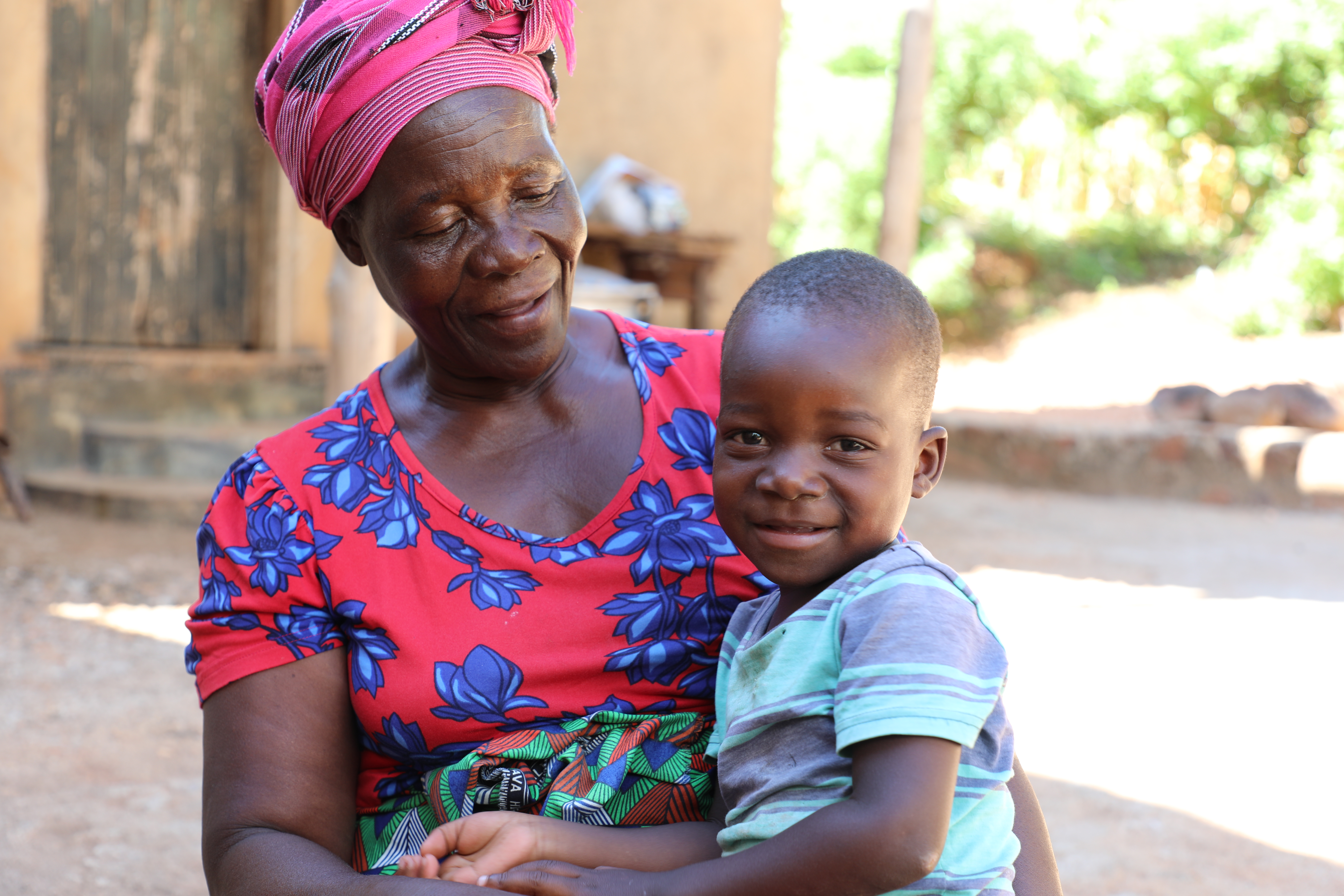
Between educating him, feeding him, Mrs Ana, is responsible for his upbringing, required to ensure he grows up happy, and caring for his health, plays a key role in the process.
With an expression that reflected both concern and relief, Mrs. Ana recalled a difficult moment when Emanuel developed a high fever and symptoms of malaria. She did not take him to the health facility immediately. Instead, she waited until the following day, as she was still trying to find a means of transport. Despite her age and physical limitations, she eventually managed to rent a motorcycle to take him to the nearest health centre.
The journey itself was not easy. The road from her home to the hospital is in poor condition, crossing a mountainous area filled with steep slopes and loose stones. Although the distance is about 12 kilometres, under such conditions it can feel like travelling 30 kilometres.
“I rented a motorcycle to take Emanuel to the hospital. They tested him for malaria, and it came back positive. we followed the prescription and all the medical instructions carefully, and after three days of taking the medicine, he was already feeling better” she explained.
That day Emanuel was taken to the Health Center, a solution was found, and help arrived in time. But she often wonders what would have happened if she had not been able to find transport.
Not long after, Emanuel fell sick again, this time with symptoms of diarrhoea. However, the response was very different.
“The polyvalent health agent, Natacha, had already started working in our area. On the same day Emanuel showed symptoms, she attended to him in the morning, and by the afternoon he was already playing with his friends.” shared, Mrs Ana.
Through the awareness sessions conducted in the community, Mrs. Ana adopted preventive practices such as building a simple waste pit, improving her latrine, taking better care of water and utensils, and consistently using mosquito nets.
Although the rainy season increases the risk of waterborne diseases, she recognizes the crucial role played by polyvalent health agents in preventing and treating malaria, pneumonia and diarrhoea.
What are polyvalent health agents?
Community-selected members undergo a six-month training at the Health Sciences Institute to qualify as Polyvalent Health Agents. After completing the training, they return to their communities equipped to provide prevention, diagnosis, and treatment services at community level.
The Rotary Healthy Communities Challenge Project supported the training costs of 120 Polyvalent Health Agents across Tete and Manica provinces, aiming to strengthen community health through the Integrated Community Case Management (iCCM) approach.
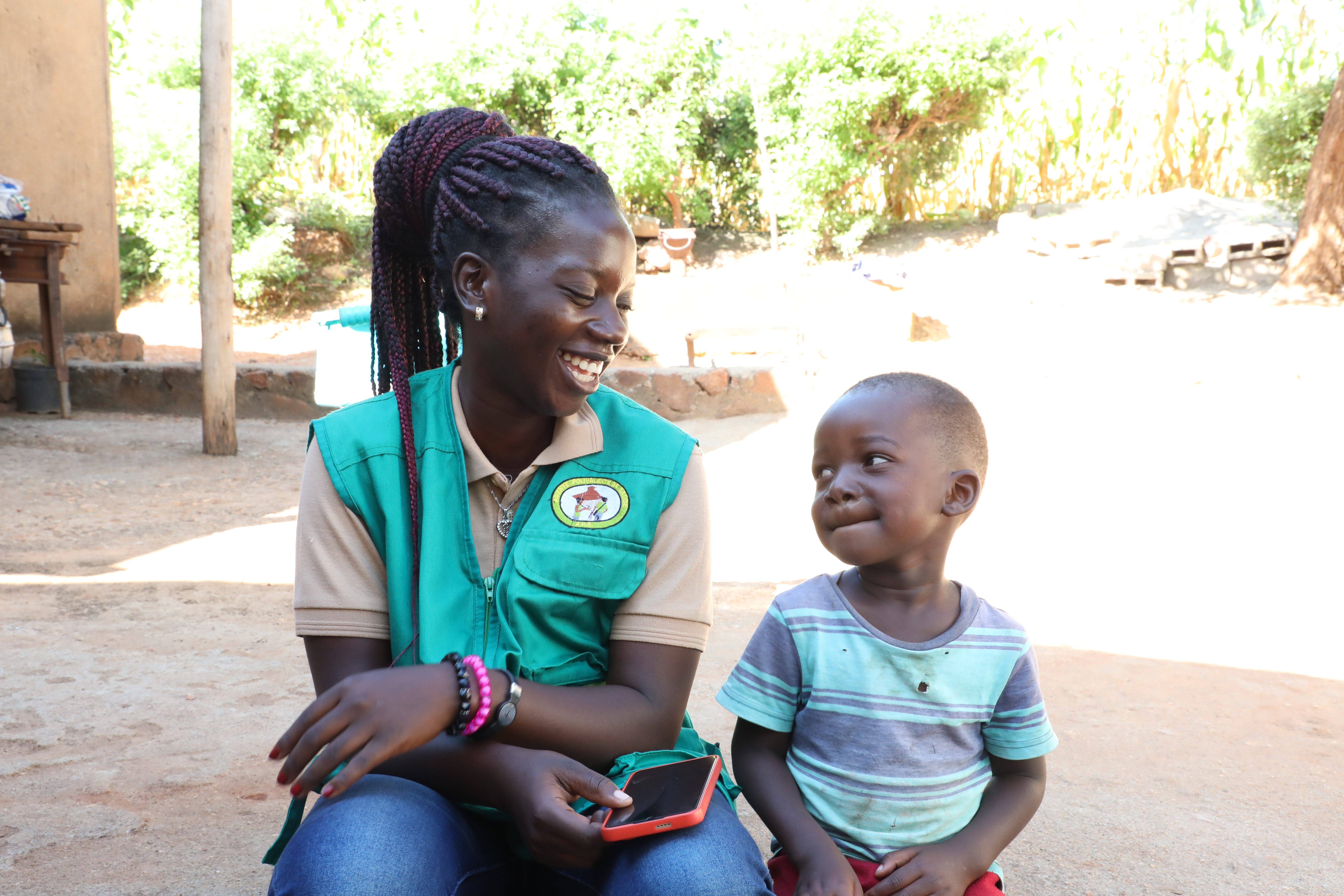
Thanks to these agents, today, Emanuel runs, plays, and smiles. Thousands of other children in Emanuel’s community are benefiting from counselling and referral assistance provided by the polyvalent health agents who are bringing health services closer to families in the communities where the Rotary Health Community Challenge project is under implementation.
About the Project
World Vision Mozambique, in partnership with PATH, Rotary International and the Ministry of Health, through the Rotary Healthy Communities Challenge Project, works to reduce child mortality caused by malaria, pneumonia and diarrhoea by strengthening community-level response systems, with 80 percent focused on prevention and 20 percent on curative services. The 3 years projects is funded by the Bill Gates Foundation, Rotary International and World Vision International.