

An Inflection Point for Our Sector and What Comes Next
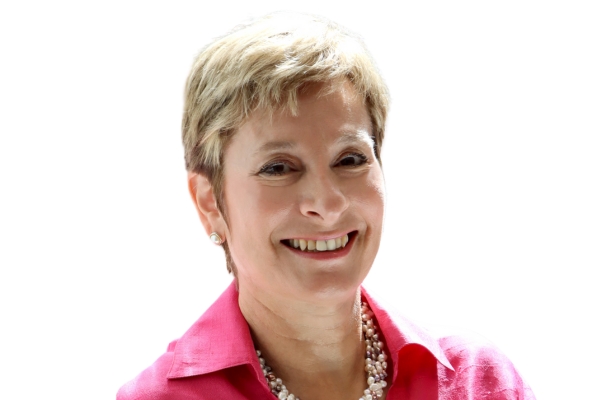
Terry Ferrari, Regional Leader for World Vision East Asia, explores why our sector has reached a critical inflection point and the role civil society should play in helping build systems that are anticipatory, resilient, and strategically impactful.
19 March 2026
For civil society organisations working across East Asia, the defining question today is no longer simply how quickly we can respond when crises strike. It is whether our work is helping build systems strong enough for communities to withstand repeated shocks. In an era of accelerating climate risks, economic volatility, and overlapping humanitarian pressures, the relevance and legitimacy of our sector will increasingly be measured not by the speed of emergency response alone, but by whether families are better equipped to recover, adapt, and thrive over time.
Across the region, the nature of crises has fundamentally changed. Flooding no longer disrupts only homes; it simultaneously damages livelihoods, interrupts education, and strains health systems. Drought accelerates migration and heightens child protection risks. Economic shocks deepen inequality, leaving already vulnerable families exposed to the next climate disaster. What once appeared as separate humanitarian and development challenges are now overlapping realities. This convergence marks an inflection point for our sector.
The evidence is increasingly clear. According to the Intergovernmental Panel on Climate Change, climate-related risks are intensifying across Asia, with cascading impacts on food security, urban systems, and vulnerable populations. Meanwhile, the World Bank estimates that climate change could push more than 132 million people into poverty globally by 2030 without urgent action.
But behind these statistics are lived experiences across communities in East Asia.
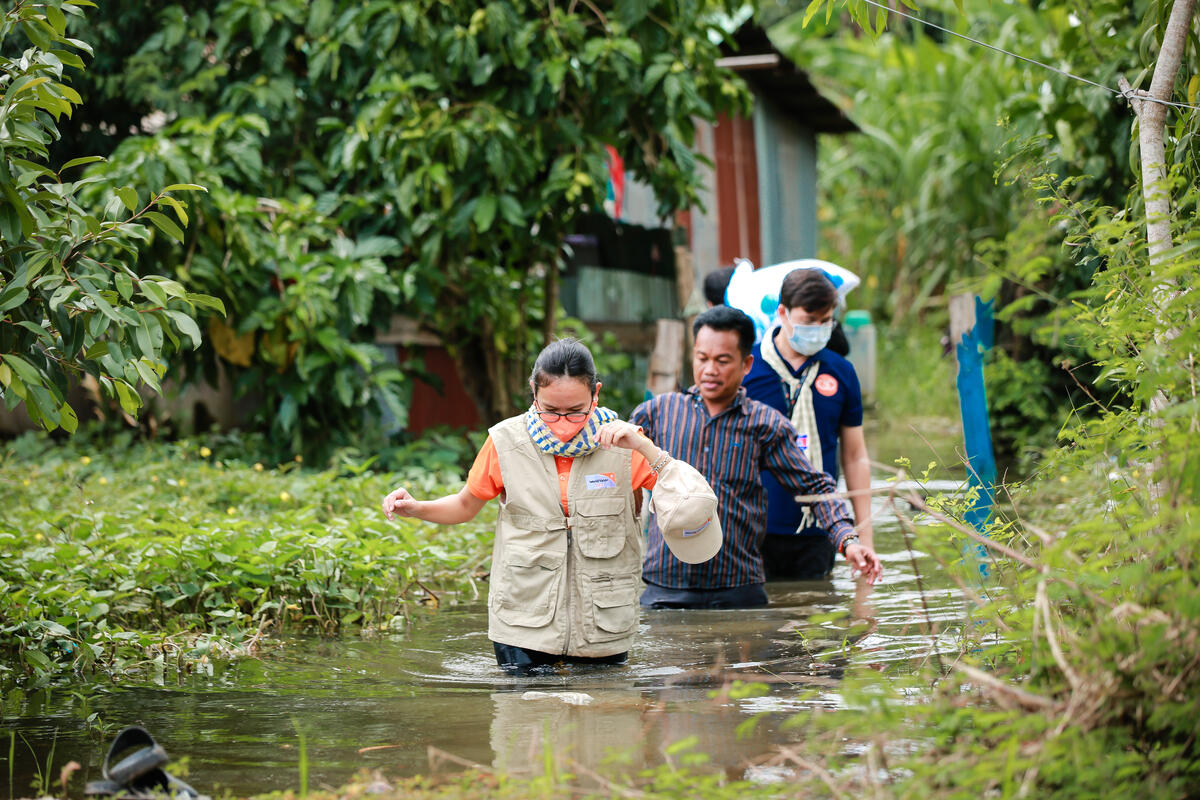
In southern Thailand, days of relentless rain recently transformed neighbourhood streets into rivers overnight. Families woke to find mattresses, schoolbooks, fishing equipment, and family photographs submerged in muddy water. Thousands of households faced the same devastating reality.
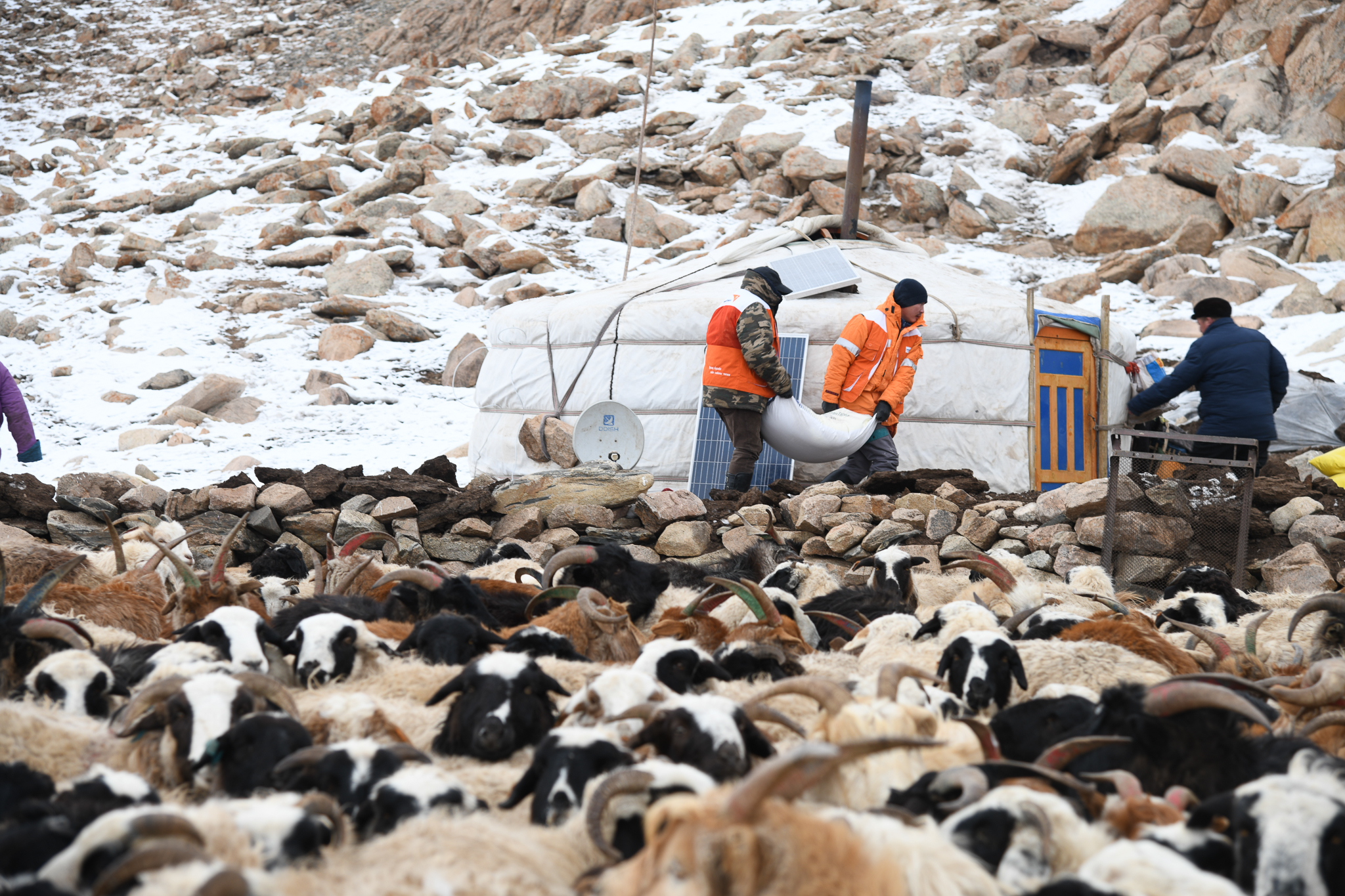
In Mongolia, the challenge looks different but no less severe. Dzud, an extreme winter disaster once expected perhaps once a decade is now striking herder communities almost every year. Each event brings heavy livestock losses, eroding livelihoods and pushing families closer to poverty. When disasters become recurrent rather than exceptional, recovery becomes nearly impossible.
These compounding pressures signal something larger than a series of emergencies. They reflect a structural shift in the risk landscape and demand a corresponding shift in how we act.
At the same time, the global aid architecture is under strain. Funding is tightening, coordination models are being reassessed, and reform discussions across multilateral institutions signal something deeper: the era of “business as usual” in humanitarian and development action is coming to an end.
The global commitments under the United Nations Sustainable Development Goals and the United Nations Framework Convention on Climate Change increasingly emphasise resilience, locally-led action, and integrated systems. Yet financing and delivery models often remain fragmented. For NGOs, this creates not only operational challenges but also a fundamental question of relevance.
East Asia offers a clear lens on why this shift matters. The region is economically dynamic and technologically capable, yet increasingly exposed to climate volatility and rapid urbanisation. When risks compound across environmental, social, and economic systems, fragmented responses leave institutions perpetually reacting rather than preparing.
Encouragingly, change is already underway.
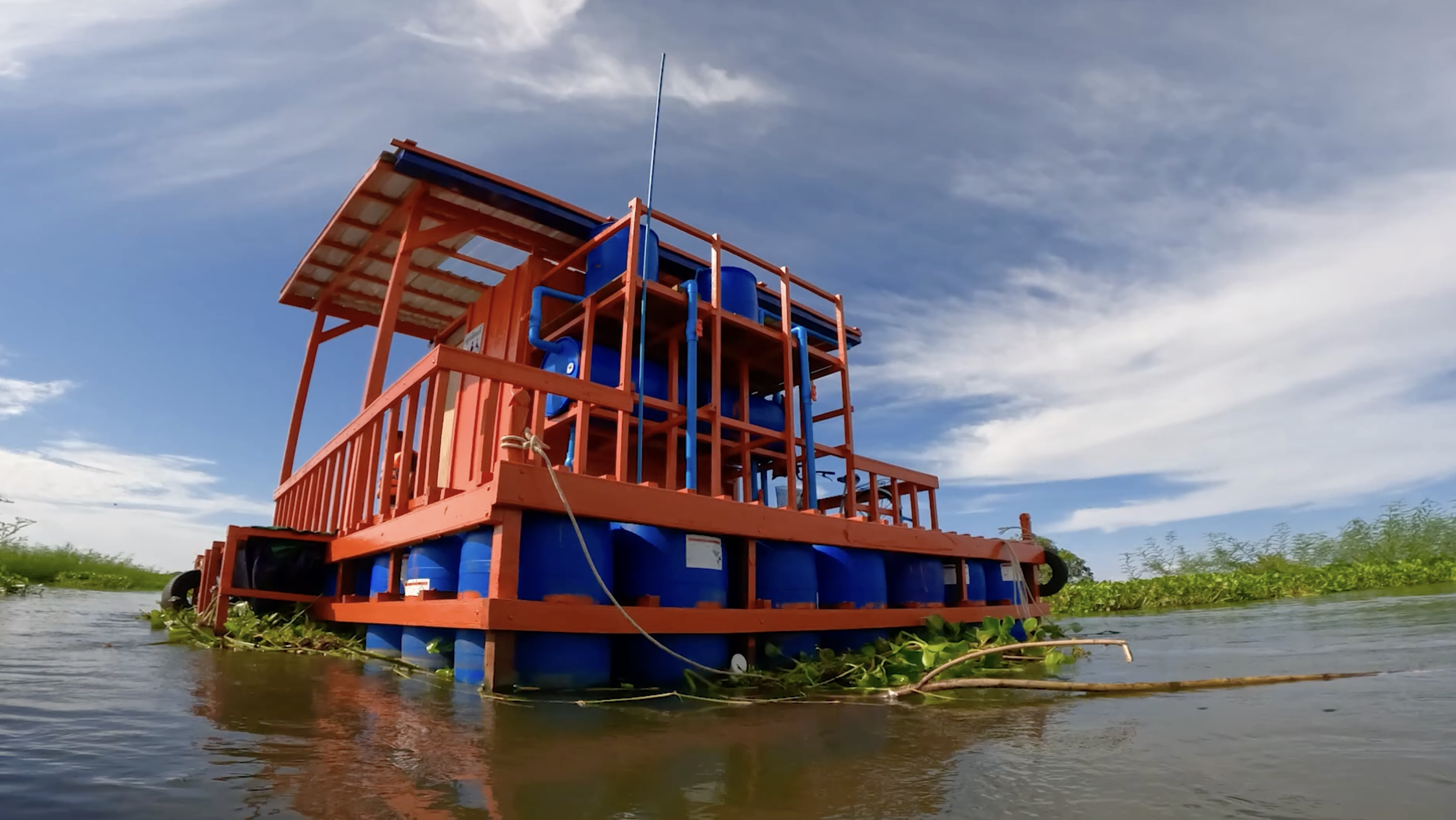
In Cambodia’s Tonle Sap region, World Vision have piloted floating sanitation solutions in flood-prone communities, addressing immediate health risks while strengthening long-term environmental resilience. In Mongolia, anticipatory cash and livestock support linked to seasonal forecasts have helped herder families prepare for extreme winters before losses occur. Across several Southeast Asian contexts, we are working with governments and partners to align emergency response with national social protection systems, including linking humanitarian cash with government safety-net programmes.
In Cambodia, for example, World Vision has supported vulnerable households through emergency cash transfers while also strengthening access to the national IDPoor social protection system. These approaches help families recover from shocks and reduce the risk of falling into long-term poverty. More broadly, such initiatives reflect a shift toward connecting anticipatory action with development, strengthening child-sensitive social protection, and supporting locally led resilience and innovation.
This aligns with growing global momentum around “anticipatory action” and disaster risk financing approaches increasingly championed by institutions such as the World Bank and major humanitarian donors. Evidence suggests that every dollar invested in disaster risk reduction can save up to four dollars in response costs, according to the United Nations Office for Disaster Risk Reduction.
But redesigning systems is not purely a technical challenge. It is relational and political.
Civil society organisations must increasingly act as conveners, bringing together governments, communities, regional institutions, faith actors, and the private sector to pursue shared outcomes. This requires discipline and strategic clarity. Remaining relevant in this decade will mean prioritising impact over expansion, integration over fragmentation, and long-term resilience over short-term visibility. Not every initiative should continue. Not every model should scale.
Instead, we must ask a more fundamental question: are we helping build institutions capable of managing uncertainty?
East Asia may not sit at the centre of every global policy debate, but it clearly reflects the forces reshaping humanitarian and development action worldwide. The choices we make now will determine whether civil society remains a trusted and credible partner in the years ahead.
Our relevance will not ultimately be defined by the projects we deliver, but by the systems we help build, systems capable of protecting communities, especially children, in an increasingly uncertain world.
About the author
Teresa (Terry) Ferrari is the Regional Leader for World Vision East Asia, providing strategic direction and leadership across multiple countries to advance child well-being, community resilience, and sustainable development. She works closely with governments, donors, and partners to drive innovative, locally-led solutions that create lasting impact for vulnerable children and families throughout the region.
With more than two decades of experience in humanitarian and development leadership, Terry is recognised for building high-performing teams, strengthening national leadership capacity, and fostering cross-sector collaboration in complex, multicultural environments. Her work focuses on translating vision into action, ensuring that programs not only meet immediate needs but also contribute to long-term systemic change. She is a passionate advocate for partnerships that place children and communities at the centre, believing that sustainable transformation happens when local voices are empowered and collective action is mobilised.
Subscribe to see more content like this
Related Resources

School meals: South East Asia children must see more action

Duplication in aid is not an accident. It is a choice.
